 Amelia Ward
Angus Gunn's Goalkeeper Injury: When Should Athletes Call a Specialist in 2026?
Scotland goalkeeper Angus Gunn has become one of the most searched names in British sport this week. Whether it is a late-season wrist strain, a finger hyperextension, or a more serious hand injury picked up in training, the mere rumour that Gunn could miss upcoming 2026 World Cup qualifiers has fans, fantasy-football managers, and amateur keepers asking the same question: how do goalkeepers recover properly, and when is it time to bring in an expert?
At Expert Zoom, we do not diagnose from the sidelines. But we do know that behind every high-profile goalkeeper injury is a much bigger story about early intervention, specialist rehabilitation, and the medical professionals who make comebacks possible. This article breaks down what athletes, parents, and weekend-warriors can learn from Angus Gunn's situation in 2026.
Why goalkeeper injuries are rarely "just a knock"
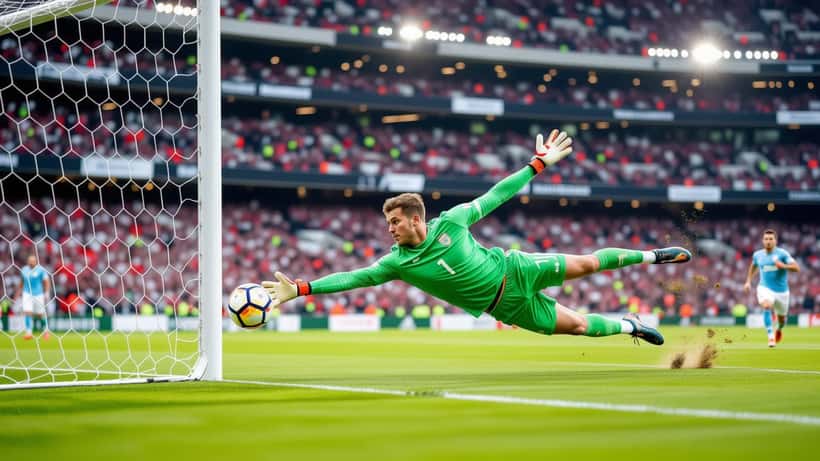
Unlike outfield players, goalkeepers cannot hide a hand, wrist, or shoulder problem. Every save relies on explosive arm extension, rapid finger reaction, and the ability to absorb impact from a ball travelling at high speed. A minor ligament tweak in a striker might be playable; in a goalkeeper, it can change the outcome of a match.
That is why clubs at every level now work with a tight circle of specialists:
- Sports physicians to assess tissue damage and return-to-play risk.
- Hand and wrist surgeons for fractures, dislocations, and tendon injuries.
- Physiotherapists for graded loading, grip work, and range-of-motion drills.
- Sports psychologists when confidence after injury becomes the real opponent.
If Angus Gunn is sidelined in 2026, his team will almost certainly follow a protocol similar to the one outlined in our look at Nick Pope's injury return: scan, rest, targeted rehab, then a carefully managed reintroduction to full training.
The hidden risk: playing through pain
One of the biggest myths in amateur sport is that "toughing it out" speeds recovery. In reality, returning too early often turns a two-week problem into a two-month problem. Goalkeepers are especially vulnerable because they repeatedly load the same structures:
- Fingers and thumbs — sprained collateral ligaments from awkward saves.
- Wrists — hyperextension injuries and TFCC (triangular fibrocartilage complex) damage.
- Shoulders — impingement and labral issues from repeated overhead dives.
- Lower limbs — not every goalkeeper injury is in the hands; groin and hip issues are common when changing direction on wet pitches.
The 2026 season has already shown how quickly a small complaint can escalate. Our analysis of Cole Palmer's pubalgia injury ahead of the 2026 World Cup highlighted the same warning signs: altered movement patterns, protective muscle guarding, and the temptation to play through central abdominal pain.
For amateur keepers, the lesson is simple: if a save hurts, stop saving and get assessed.
What a specialist consultation actually looks like
Booking an expert is no longer limited to Premier League medical departments. In 2026, athletes can speak to a sports physician, physiotherapist, or orthopaedic consultant online within hours. Here is what a typical goalkeeper-injury consultation covers:
- Mechanism of injury. How did the pain start? Was it a single traumatic save or gradual overload?
- Functional testing. Grip strength, wrist range of motion, shoulder stability, and landing mechanics.
- Imaging review. If X-rays, ultrasound, or MRI reports are available, the specialist interprets them against the athlete's goals.
- Return-to-play plan. A week-by-week roadmap with load-management milestones, not just generic exercises.
- Prevention strategy. Taping, bracing, strength work, and technique tweaks to reduce recurrence.
This is where Expert Zoom's marketplace model fits. Instead of waiting weeks for a single NHS referral or guessing which private clinic has the right sub-specialist, users can match with a verified expert by sport, injury type, and location.
Lessons from youth to professional football
Angus Gunn is not the only goalkeeper in the spotlight. The 2026 season has seen rising discussion about how young athletes are managed after early injuries. In our piece on Lucas Bergvall's World Cup comeback and youth athlete health, we noted that adolescent keepers face a double challenge: their skeletons are still maturing, and their training loads are increasing at the same time.
For parents and coaches, the priority should be:
- Load monitoring. More saves in a week is not always better; quality of repetition matters.
- Early warm-up for hands and wrists. Cold fingers are more prone to ligament injury.
- Cross-training. Swimming, Pilates, and controlled strength work reduce overuse.
- Open communication. Young keepers often fear losing their place if they report pain.
Beyond football: the same rules apply to racket sports, climbing, and manual work
A goalkeeper's hands are not the only high-risk tools in sport. Tennis players, climbers, boxers, and anyone doing repetitive manual labour face similar hand and wrist demands. The principles of early diagnosis, graded loading, and specialist guidance are universal.
Our coverage of OG Anunoby's hamstring recovery during the 2026 NBA Finals made the same point in a different sport: the best rehab is individualised, not copied from a social-media highlight reel. Similarly, when Elliot Anderson's Manchester United medical made headlines, the story was not the transfer fee; it was the depth of pre-signing screening that elite clubs now expect.
When to book an expert: a quick checklist
Use this checklist if you or a young athlete you coach is dealing with a hand, wrist, or shoulder injury in 2026:
- Pain persists beyond 48 hours after a specific incident.
- Swelling, bruising, or deformity is visible.
- Grip strength drops on the injured side.
- You find yourself changing technique to avoid pain.
- Night pain or morning stiffness is becoming routine.
- A return-to-play deadline is approaching and you need a clear plan.
If two or more apply, speak to a specialist rather than self-managing.
Conclusion: Angus Gunn's injury is a reminder, not a diagnosis
Until Scotland or Norwich City release an official medical update, everything written about Angus Gunn's condition is speculation. But the surge in searches tells us something useful: people want to understand what happens next when a goalkeeper gets hurt.
In 2026, that answer should not depend on whether you have a Premier League physiotherapist on speed dial. Expert Zoom connects athletes, parents, and coaches with the same calibre of sports medicine, physiotherapy, and orthopaedic expertise — on demand and in plain English.
If Angus Gunn's situation has made you think about your own injury, your child's training load, or your team's medical cover, book a consultation today. The earlier you get expert eyes on the problem, the faster and safer the return to the pitch.
Expert Zoom is a consultation marketplace. This article is for informational purposes and does not replace medical diagnosis or treatment. If you suspect a serious injury, seek urgent in-person care.
