 Rebecca Taylor
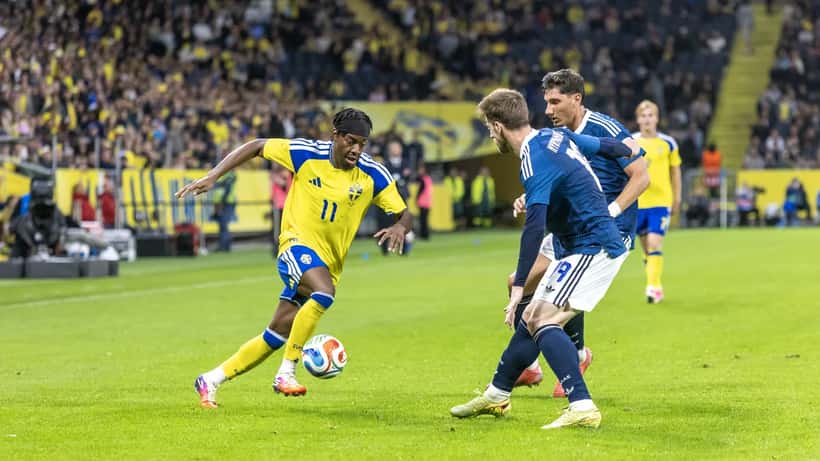
Lucas Bergvall made history in June 2026 as Sweden's youngest-ever World Cup player — stepping onto the global stage just months after ankle surgery that cast serious doubt over his entire season at Tottenham Hotspur. The 20-year-old midfielder's comeback from surgery to World Cup football is remarkable. But it also prompts a question every parent, coach, or young athlete in Britain should be asking: at what point does a sports injury need professional medical input, not just rest and hope?
From the Academy to the World Cup Stage
Bergvall joined Tottenham from Swedish club IF Brommapojkarna in July 2024, signing a five-year deal worth a reported £8.5 million — extraordinary for a teenager. He marked his Spurs career early, scoring in the EFL Cup semi-final against Liverpool in January 2025. But the 2025/26 Premier League season proved gruelling: injuries interrupted his progress, culminating in ankle surgery that sidelined him for an extended period.
Despite that, Bergvall was named in Sweden's squad for the 2026 FIFA World Cup, announced in May 2026. When he stepped onto the pitch for Sweden, he broke the record as the youngest Swede to appear in a World Cup tournament. Standing 1.87 metres tall with a midfield profile that combines physical presence with tactical intelligence, Bergvall exemplifies what elite youth development can produce — but also how physically demanding that journey is on a young body.
His case highlights something sports medicine specialists across the UK see regularly: young athletes who delay seeking expert help and pay a heavier price later.
Why Young Footballers Are Particularly Vulnerable
Adolescent and young-adult athletes are not simply smaller versions of adult professionals. Their musculoskeletal systems are still developing, growth plates can be vulnerable to specific injuries, and recovery windows differ significantly from adults. At the same time, performance pressures — whether at a Premier League academy or a local Sunday league — push young players to train through discomfort.
According to the NHS, ankle ligament injuries and growth-related conditions like Osgood-Schlatter disease are among the most common problems in young footballers. Without proper diagnosis and rehabilitation, these injuries can become chronic — potentially affecting not just teenage performance but long-term athletic development.
5 Signs a Young Footballer Needs a Sports Medicine Specialist
Most minor strains resolve with rest, ice, and elevation. But certain presentations warrant a specialist assessment from a sports medicine doctor or physiotherapist. These five signs should prompt parents and coaches to seek professional help:
1. Pain that does not improve after two weeks of rest. If swelling, tenderness, or restricted movement persists after a fortnight of appropriate rest, this is not normal recovery. Continued pain can indicate ligament tears, stress fractures, or cartilage damage that requires imaging — typically an MRI or ultrasound — to diagnose properly.
2. Recurrent injury to the same area. A footballer who "rolls their ankle" repeatedly, or keeps pulling the same hamstring, is not simply unlucky. Recurring injury almost always indicates an underlying weakness, biomechanical issue, or inadequate rehabilitation from the original episode. A sports medicine specialist can assess movement patterns and design a corrective programme.
3. Swelling accompanied by restricted range of movement. Significant joint swelling, particularly in the knee or ankle, with a noticeable reduction in how far a joint can flex or extend, should never be dismissed as "just bruising." This combination can signal haemarthrosis (blood in the joint) or a structural tear requiring prompt assessment.
4. Pain during growth spurts. Young athletes going through rapid growth phases — common between the ages of 12 and 16, but continuing into the early twenties for some — can experience pain at points where tendons attach to growing bones. Sever's disease (heel) and Osgood-Schlatter (knee) are two well-known examples. These conditions are manageable with the right input but can become seriously painful if ignored.
5. Psychological reluctance to return to sport. Sometimes the signal is not physical. A young player who previously loved training but now finds reasons to avoid it, or who flinches at contact situations they would previously have tackled confidently, may be experiencing fear-avoidance following an injury. Sports medicine practitioners — particularly those with access to sports psychologists — can identify and address this early, preventing a slide toward long-term disengagement.
What a Sports Medicine Consultation Involves
A first appointment with a sports medicine specialist is rarely as daunting as young athletes fear. The consultation typically involves a detailed history of the injury and the player's training load, a physical examination of the affected area, and an assessment of movement patterns.
From there, the specialist may recommend imaging, refer to a physiotherapist, or in some cases suggest surgical review — as happened with Bergvall at Tottenham, whose ankle ultimately required an operation before he could return to peak fitness. That pathway, done properly, enabled him to arrive at the 2026 World Cup in condition good enough to represent his country at the highest level.
For young British footballers, access to this kind of expertise has expanded significantly. NHS physiotherapy is available for acute injuries, and sports medicine consultants can provide specialist pathways for complex or recurring cases. Private consultations via platforms like Expert Zoom allow families to access specialist advice quickly, particularly for second opinions or rural areas where NHS waiting lists may be longer.
The Right Time to Act
Lucas Bergvall's World Cup appearance is a story of talent meeting proper medical management. The ankle surgery he underwent this season — though disruptive in the short term — gave him the structural integrity to compete at a level demanding extraordinary physical output. That outcome is not guaranteed without specialist input.
For young athletes and those who support them, the lesson is clear: injuries are not just inconveniences to push through. Addressed early with the right professional guidance, most conditions are highly manageable. Left unaddressed, they have the potential to curtail careers before they truly begin.
If a young athlete in your life is showing any of the five signs above, a sports medicine consultation is a sensible first step. Expert Zoom connects patients across the UK with qualified health specialists — including sports medicine consultants and physiotherapists — who can provide assessment and guidance without a lengthy wait.
YMYL disclaimer: This article is for informational purposes only and does not constitute medical advice. Always consult a qualified healthcare professional regarding any injury or medical concern.
