Not every veterinary practice is an animal hospital — and knowing the difference could save your pet's life. Animal hospitals provide round-the-clock emergency care, advanced diagnostics, and specialist surgery that standard clinics simply cannot offer. With over 4,900 veterinary practices registered across the UK [Royal College of Veterinary Surgeons, 2024], choosing the right one means understanding exactly what separates a true animal hospital from a neighbourhood vet.
Here are the key factors every pet owner should evaluate before they need urgent care.
1. Round-the-Clock Emergency Access
A genuine animal hospital operates 24 hours a day, 7 days a week — including bank holidays. Standard veterinary clinics typically close by 7 pm and redirect emergencies to out-of-hours services, which may be located miles away.
According to the British Veterinary Association (BVA), roughly 70% of pet emergencies occur outside regular surgery hours. Conditions such as gastric dilatation-volvulus (GDV) in dogs or urinary blockages in cats require intervention within hours, not overnight.
Key takeaway: Before registering with any practice, confirm whether emergency cover is provided on-site or outsourced to a separate facility.
2. Advanced Diagnostic Equipment On-Site
Animal hospitals house diagnostic tools that most local practices refer out for. Digital X-ray, ultrasound, in-house blood analysis, and CT or MRI scanners allow vets to diagnose conditions within the same visit rather than sending samples to external laboratories.
A 2023 survey by the Royal College of Veterinary Surgeons (RCVS) found that practices with on-site imaging diagnosed orthopaedic injuries 40% faster than those relying on referral centres. For time-sensitive conditions like internal bleeding after a road traffic accident, on-site diagnostics can make the difference between a successful outcome and a critical delay.
When searching for an animal hospital near you, ask specifically about their imaging and laboratory capabilities. A hospital with on-site blood analysis can return results within 30 minutes, compared to the 24–48 hours typical of external lab processing.
3. Specialist Veterinary Surgeons and Referral Services
Animal hospitals typically employ or have visiting specialists — board-certified surgeons, cardiologists, oncologists, or dermatologists. A standard practice may have excellent general practitioners, but complex cases such as cruciate ligament repair, cardiac assessment, or chemotherapy protocols require specialist training.
The RCVS maintains a register of Advanced Practitioners and Specialists. As of 2024, fewer than 1,500 vets in the UK hold specialist status across all disciplines [RCVS, 2024]. Animal hospitals concentrate these specialists under one roof, eliminating the need for multiple referral appointments at different locations.
"Early referral to a specialist significantly improves outcomes in cases like osteosarcoma or mitral valve disease. A one-stop animal hospital reduces both stress and treatment delays for the patient." — Veterinary Specialist, RCVS Fellow
Ask whether the hospital offers in-house specialist consultations or operates as a referral centre. Some hospitals accept direct self-referrals, while others require a referral letter from your primary vet.
4. Inpatient Care and Post-Operative Monitoring
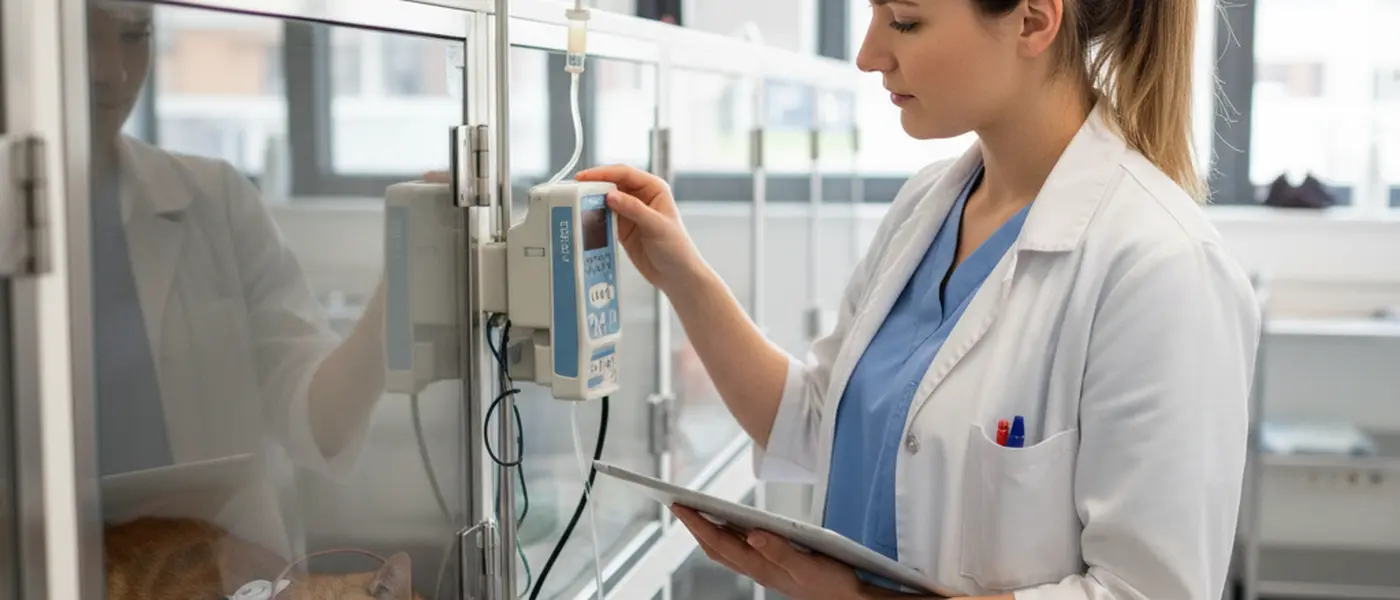
One of the clearest distinctions between an animal hospital and a standard clinic is the capacity for overnight inpatient stays. After major surgery — a splenectomy, fracture repair, or caesarean section — pets need continuous monitoring by trained veterinary nurses.
Standard clinics often discharge patients the same day, even after significant procedures. If your pet requires IV fluids, pain management, or close observation, an animal hospital provides the staffing and facilities for round-the-clock nursing care. Dedicated isolation wards also protect immunocompromised animals from cross-infection during their recovery.
5. How to Find a Reputable Animal Hospital Near You
Finding an animal hospital near you takes more than a quick search engine query. Follow these steps to identify a facility that genuinely meets hospital-level standards:
- Check RCVS accreditation — The RCVS Practice Standards Scheme awards tiers from Core Standards to Veterinary Hospital. Only practices meeting the highest tier can use the "hospital" designation. Search the RCVS Find a Vet tool.
- Verify 24-hour staffing — Call and ask whether a vet and nurse are physically present overnight, not just on-call from home.
- Review available specialisms — Check whether the hospital offers referral-level services in areas relevant to your pet's breed or age.
- Read client reviews — Look for patterns mentioning emergency response times, communication quality, and aftercare support.
- Confirm insurance acceptance — Most animal hospitals accept major pet insurance providers, but verifying this upfront avoids billing surprises during a crisis.
Key takeaway: The RCVS "Veterinary Hospital" designation is the gold standard. Any practice without this accreditation may still call itself a hospital but does not meet the same regulatory requirements.
6. Understanding Costs and Pet Insurance Cover
Animal hospital fees are typically higher than those at standard clinics — and for good reason. Extended staffing rotas, specialist equipment, and 24-hour nursing all carry significant overheads.
A routine consultation at a general practice costs between £30 and £65 in the UK [BVA, 2023]. At an animal hospital, expect to pay £80–£150 for an emergency assessment, with surgical procedures ranging from £1,500 for straightforward soft-tissue operations to £5,000 or more for orthopaedic or neurological interventions.
Pet insurance substantially reduces out-of-pocket costs. The Association of British Insurers (ABI) reported that UK pet owners claimed £2.8 billion in 2023, with the average dog claim reaching £870. When choosing a policy, prioritise:
- Lifetime cover over per-condition or time-limited plans
- A claims limit of at least £7,000 per year for dogs, £4,000 for cats
- Direct settlement with the hospital, so you avoid paying upfront
Many animal hospitals have dedicated insurance liaison staff who handle claims paperwork directly with your provider.

7. What to Expect at Your First Visit
Walking into an animal hospital differs from a routine vet appointment. Expect a triage-based system similar to an NHS A&E department: the most urgent cases are seen first regardless of arrival time.
Sarah, a Labrador owner from Manchester, brought her dog in after he swallowed a corn cob during a barbecue. "We arrived at 11 pm and were triaged within minutes. The X-ray confirmed the blockage and he was in surgery by midnight. A normal vet wouldn't have been open, let alone equipped for that."
Most animal hospitals will:
- Perform an initial triage assessment within 15 minutes
- Provide a treatment estimate before proceeding
- Offer payment plans or direct insurance claims for expensive procedures
- Assign a dedicated nurse to update you on progress
Preparing a brief medical history — vaccination records, current medications, and any known allergies — speeds up the admission process significantly.
If your pet has a chronic condition like diabetes, epilepsy, or heart disease, bring a summary from your regular vet. Animal hospitals can access shared veterinary records through systems like VetConnect, but having documentation to hand eliminates delays during an emergency.
Disclaimer: The information on this page is provided for informational purposes only and does not constitute veterinary advice. Consult a qualified veterinary surgeon for your pet's specific health needs.