
What does a veterinarian actually do — and how do you choose the right one for your pet? Whether you have a Labrador, a Persian cat, or a house rabbit, finding a qualified vet is one of the most important decisions you will make as a pet owner. A veterinarian diagnoses illness, performs surgery, prescribes medication, and advises on preventive care including vaccinations and nutrition. In the UK, all practising vets must be registered with the Royal College of Veterinary Surgeons (RCVS), which means every vet you visit has completed a minimum five-year degree programme [RCVS, 2025]. This guide answers the questions pet owners ask most — from what happens at a first consultation to how much treatment really costs.
What Does a Veterinarian Do Day to Day?
A veterinarian is a medical professional who diagnoses, treats, and prevents disease in animals. In a typical UK practice, a vet's day includes routine health checks, emergency consultations, surgical procedures, and follow-up appointments. The British Veterinary Association (BVA) reports that the average small-animal vet sees between 20 and 30 patients per day [BVA Workforce Report, 2024].
Beyond consultations, vets interpret blood tests, X-rays, and ultrasound scans. They perform procedures ranging from neutering and dental cleaning to complex orthopaedic surgery. A significant part of the role involves preventive medicine — designing vaccination schedules, advising on parasite control, and discussing diet. Many UK vets also issue pet passports and microchip certificates, now a legal requirement under the Microchipping of Dogs (England) Regulations 2015.
Key point: A veterinarian is not just someone you see when your pet is ill. Regular wellness visits — typically once or twice a year — catch problems early and can significantly reduce long-term treatment costs.
What Veterinary Specialisations Exist?

Not all vets offer the same services. Like human medicine, veterinary practice has distinct specialisations. Understanding them helps you find the right professional for your pet's needs.
Small Animal and Companion Pet Vets
The most common type in the UK. These vets treat dogs, cats, rabbits, guinea pigs, and other household pets. They handle everything from vaccinations to surgery. If your pet needs advanced care, your companion-animal vet will refer you to a specialist — similar to how a GP refers patients to a hospital consultant. Expert Zoom connects you with small mammal care specialists who can advise on common health concerns remotely.
Exotic Pet Vets
Birds, reptiles, amphibians, and less common mammals require vets with specific training. Standard practices may not stock the right equipment or medication for an iguana or a parrot. The RCVS maintains a list of practices with exotic-animal credentials. If you own an unusual pet, you can also consult an exotic pet specialist online for initial guidance before booking an in-person visit.
Veterinary Dentists
Dental disease affects over 80% of dogs and 70% of cats by age three, according to the British Veterinary Dental Association [BVDA, 2024]. A veterinary dentist performs teeth cleaning, extractions, and oral surgery under anaesthesia.
Emergency and Out-of-Hours Vets
Since 2015, UK practices are no longer required to provide their own out-of-hours cover. Many now partner with dedicated emergency clinics. These vets handle trauma, poisoning, breathing difficulties, and other urgent cases. Knowing your nearest emergency practice before a crisis saves critical time.
How Do You Choose the Right Veterinarian?
Choosing a vet is a personal decision that depends on your pet's species, your location, and your budget. Here are five practical steps.
- Check RCVS registration. Every legitimate vet in the UK appears on the RCVS Register. Search by name or postcode to verify qualifications and any disciplinary history.
- Visit the practice before committing. A good clinic is clean, well-organised, and staffed by approachable professionals. Ask for a tour — reputable practices welcome this.
- Ask about accreditation. RCVS Practice Standards Scheme awards three tiers: Core, General Practice, and Veterinary Hospital. Higher tiers must meet stricter staffing and equipment requirements.
- Compare consultation fees. Prices vary widely across the UK. A standard consultation ranges from £30 to £65 depending on location and practice tier [BVA Fee Survey, 2024]. Ask for a printed fee schedule.
- Read independent reviews. Check Google, Trustpilot, and local community forums. Look for consistent feedback on wait times, communication style, and follow-up care.
"The best vet-client relationships are built on communication. A good vet should explain every diagnosis and treatment option in plain language — if you leave confused, something is wrong." — Dr Sarah Mitchell, MRCVS, companion animal veterinarian.
How Much Does Veterinary Care Cost in the UK?
Cost is one of the biggest concerns for pet owners. The PDSA Animal Wellbeing (PAW) Report 2024 found that 40% of UK owners underestimate lifetime veterinary costs [PDSA PAW Report, 2024]. Here is what you can expect to pay.
Emergency treatment is significantly more expensive. An out-of-hours consultation alone can cost £150 to £300, with surgical emergencies running into thousands. Pet insurance covers most unexpected costs — the Association of British Insurers (ABI) reports that 27% of UK pets are now insured, up from 18% in 2018 [ABI, 2024].
Important: Some conditions are excluded from insurance policies, especially pre-existing conditions. Always read the policy wording before signing up, and compare at least three providers.
When Should You Take Your Pet to the Vet?
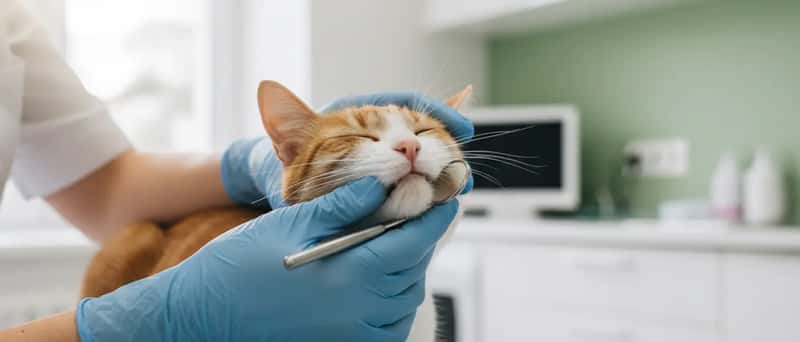
Not every sneeze warrants a vet visit, but some symptoms demand immediate attention. The following scenario illustrates a common mistake.
Mark, a cat owner in Bristol, noticed his tabby had stopped eating for two days. He assumed it was a passing issue. By day four, the cat was lethargic and hiding. The vet diagnosed hepatic lipidosis (fatty liver disease) — a condition that can become fatal in cats after just three days without food [International Society of Feline Medicine, 2023]. Caught earlier, treatment would have been simpler and less costly.
Book a same-day appointment if your pet shows any of these signs:
- Refusal to eat or drink for more than 24 hours
- Difficulty breathing, persistent coughing, or choking
- Sudden collapse, seizures, or inability to stand
- Visible wounds, heavy bleeding, or suspected broken bones
- Repeated vomiting or diarrhoea, especially with blood
- Swollen abdomen or signs of severe pain (whimpering, restlessness)
For non-urgent concerns — mild limping, minor skin irritation, or behavioural changes — booking within a few days is usually fine. Many questions can also be answered through an online veterinary consultation, which saves time and helps you decide whether an in-person visit is necessary.
What Should You Expect at a First Veterinary Consultation?
A first visit typically lasts 20 to 30 minutes. The vet will weigh your pet, check eyes, ears, teeth, heart, lungs, skin, and joints. For puppies and kittens, the initial appointment includes a vaccination plan and microchipping discussion.
Bring any previous medical records, a note of your pet's diet, and a list of questions. Good vets encourage questions — a consultation is a two-way conversation. Ask about:
- Recommended vaccination schedule for your pet's age and lifestyle
- Parasite prevention (fleas, ticks, worms) appropriate for your area
- Nutritional advice tailored to breed, age, and weight
- When to schedule the next visit
The vet will also discuss neutering. In the UK, the RSPCA recommends neutering cats from four months of age and dogs at an age appropriate to their breed [RSPCA, 2024]. Your vet can advise on the best timing based on your individual pet's health.
How Is Veterinary Medicine Evolving in the UK?
Veterinary practice is changing rapidly. Telemedicine adoption doubled between 2020 and 2024, with the RCVS updating its Code of Professional Conduct to formally recognise remote consultations [RCVS, 2024]. AI-assisted diagnostic tools now help vets analyse X-rays and blood panels faster, though the final clinical judgement remains with the qualified professional.
The UK faces a significant veterinary workforce shortage. The BVA estimates that one in six veterinary positions is currently unfilled [BVA, 2024]. This has driven longer waiting times in some regions, particularly rural areas. For pet owners, the practical impact is clear: register with a practice before you need one, not during an emergency.
Preventive care is also shifting. Many practices now offer wellness plans — monthly subscription packages covering vaccinations, flea and worm treatments, and annual health checks for a fixed fee. These plans spread costs evenly and encourage regular visits, which benefits both your pet's health and your budget.
The bottom line: A good veterinarian is a long-term partner in your pet's wellbeing. Take the time to choose carefully, invest in preventive care, and do not wait for a crisis to build that relationship.
Frequently Asked Questions About Veterinarians
Can I consult a veterinarian online?
Yes. Telehealth consultations with registered vets are legal in the UK for advice and triage. They cannot replace a physical examination for diagnosis, but they are useful for follow-up care, behavioural questions, and deciding whether an in-person visit is needed.
How often should a healthy pet see the vet?
The RCVS recommends at least one annual wellness check for adult dogs and cats. Puppies, kittens, and senior pets (over seven years) benefit from visits every six months. Annual visits catch dental disease, weight gain, and early signs of conditions like arthritis before they become serious.
Is pet insurance worth it?
For most pet owners, yes. A single emergency surgery can exceed £3,000. Lifetime insurance policies cover ongoing conditions and typically cost between £20 and £50 per month for dogs, depending on breed and age [ABI, 2024]. Without insurance, unexpected bills are the leading reason owners delay or decline treatment.
What qualifications should a UK vet have?
Every practising vet must hold a degree recognised by the RCVS (such as BVetMed, BVSc, or BVMS) and be registered on the RCVS Register. Specialists hold additional postgraduate certificates or diplomas. You can verify any vet's status at findavet.rcvs.org.uk.
Disclaimer: The information on this page is provided for general guidance only and does not constitute veterinary medical advice. Always consult a qualified veterinarian for your pet's specific health needs.