A burst pipe at 2 a.m. or a boiler breakdown on a Sunday evening demands fast, reliable help. Finding a qualified 24-hour plumber in the UK costs between £80 and £250 for an emergency call-out, according to Checkatrade data [2024]. Knowing how to vet an emergency plumber before you need one can save hundreds of pounds and prevent further water damage to your home.
What Counts as a Plumbing Emergency?
Not every drip warrants a midnight call-out. A genuine plumbing emergency involves uncontrolled water flow, complete loss of heating during cold weather, or a gas leak near pipework. The Chartered Institute of Plumbing and Heating Engineering (CIPHE) defines an emergency as any fault that poses an immediate risk to health, safety, or property.
Common emergencies include burst pipes, blocked drains causing internal flooding, and failed hot-water cylinders. A slow-dripping tap or a toilet that runs intermittently can usually wait until normal working hours. Making this distinction matters because emergency rates typically carry a 50–100% surcharge over standard charges [Checkatrade, 2024].
Key point: If you can isolate the water supply using your stopcock and the leak stops, the job may not require an emergency call-out. Locate your internal stopcock — usually under the kitchen sink — before a crisis strikes.
How Much Does a 24-Hour Plumber Cost in the UK?
Emergency plumbing rates vary by region, time of day, and complexity. The figures below reflect average UK call-out fees reported by tradespeople on Checkatrade and MyBuilder [2024].
Most plumbers charge a fixed call-out fee plus an hourly rate once on site. Parts are billed separately. Always ask for a total estimate before work begins — reputable plumbers will provide one even at unsociable hours.
How to Find a Reliable 24-Hour Plumber
Finding a trustworthy emergency plumber under pressure is stressful. Follow these steps to make a confident choice, even at short notice.
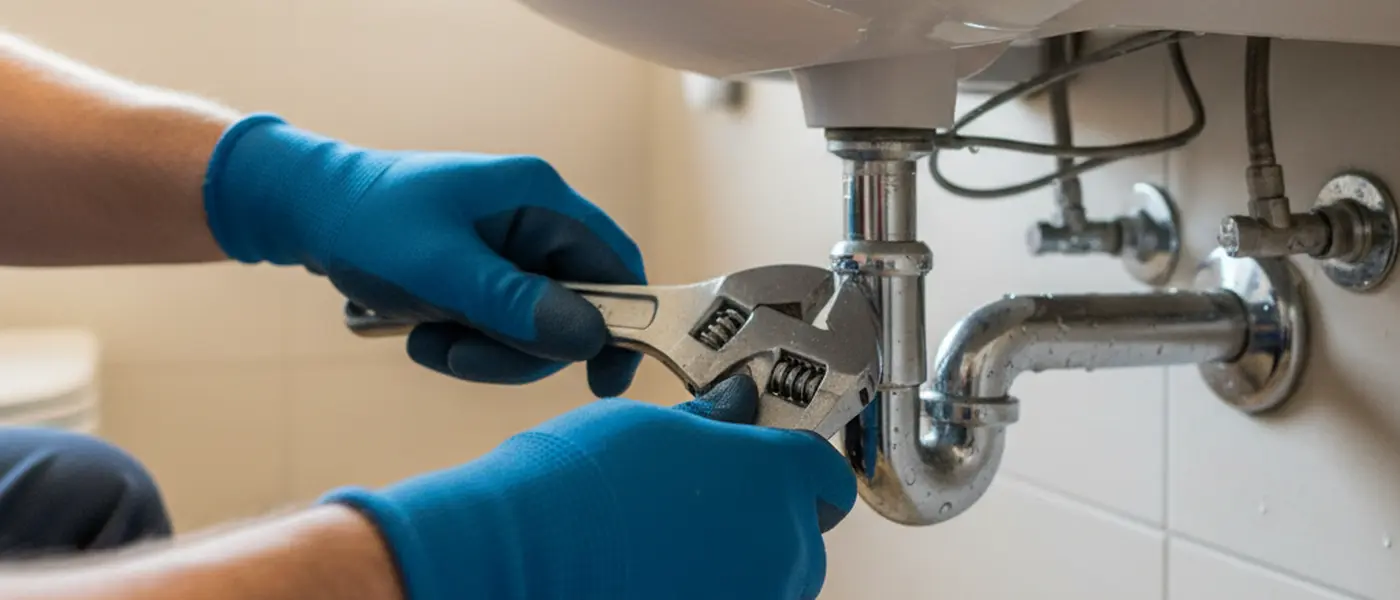
- Check Gas Safe and CIPHE registration. Any plumber working on gas appliances must hold a valid Gas Safe Register number — this is a legal requirement under the Gas Safety (Installation and Use) Regulations 1998. For general plumbing, look for membership with the Chartered Institute of Plumbing and Heating Engineering (CIPHE).
- Read recent reviews on multiple platforms. Cross-reference ratings on Checkatrade, Trustpilot, and Google. Focus on reviews that mention emergency work specifically, since response time and professionalism under pressure matter more than routine job quality.
- Confirm pricing before they arrive. A legitimate emergency plumber will quote a call-out fee and hourly rate over the phone. If they refuse or give vague answers, move on.
- Ask about insurance. Public liability insurance protects you if the plumber causes accidental damage. A minimum cover of £2 million is standard in the trade.
- Save the number in advance. The best time to find a reliable emergency plumber is before you need one. Keep a vetted contact in your phone so you are not searching at 3 a.m.
What to Do While Waiting for the Plumber
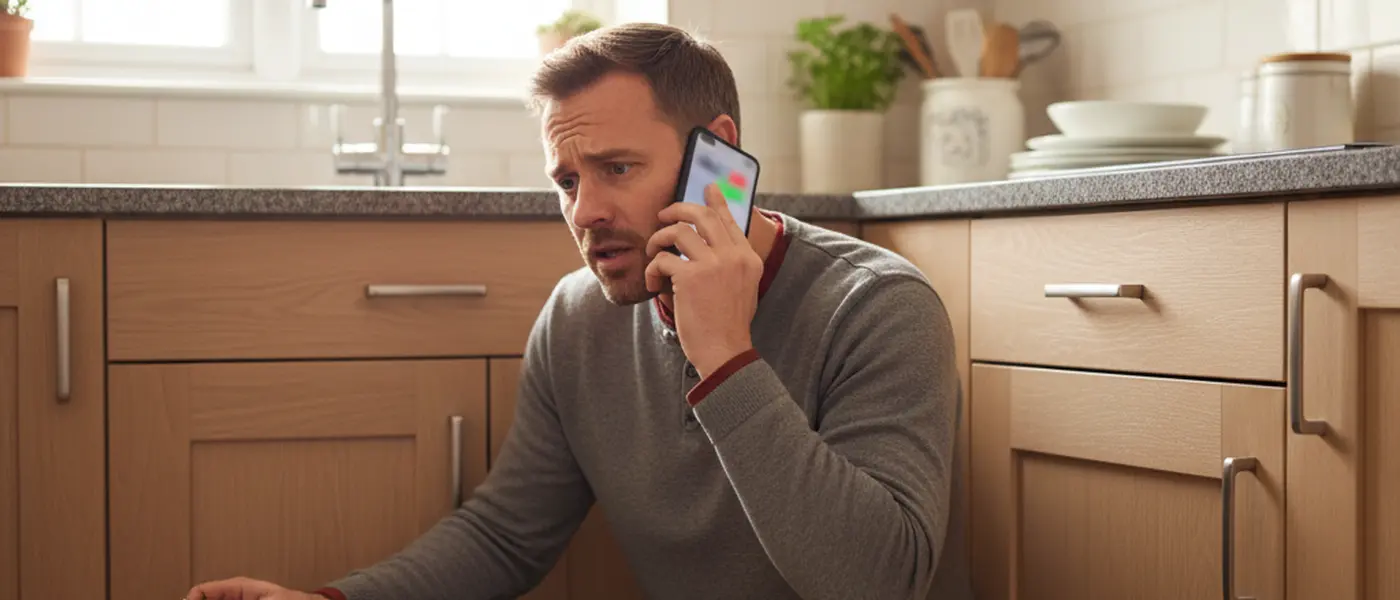
Taking quick action before the plumber arrives can limit damage and reduce the final repair bill.
Real-world scenario: When James in Manchester discovered a burst pipe under his bathroom at 11 p.m., he turned off the stopcock immediately and used towels to redirect water towards the nearest drain. By the time the plumber arrived 45 minutes later, the water damage was confined to a single room — saving an estimated £1,500 in flooring repairs.
Immediate steps:
- Turn off the water at the internal stopcock (usually under the kitchen sink) or the external stop valve near the pavement.
- Switch off the boiler and central heating system if the leak involves hot-water pipework.
- Move valuables and electronics away from the affected area.
- Open taps to drain remaining water from the system and reduce pressure.
- Take photos of the damage for your home insurance claim — most UK household policies cover escape of water under the buildings section [Association of British Insurers, 2024].
Red Flags to Watch for with Emergency Plumbers
Rogue traders target homeowners in distress. The Consumer Rights Act 2015 protects you against unfair pricing, but prevention is better than a legal dispute.
Watch for these warning signs:
- No fixed address or company name. Legitimate plumbers operate under a registered business. Check Companies House if unsure.
- Demanding full payment upfront. Standard practice is a call-out fee on arrival, with the balance on completion. Never pay the full amount before work starts.
- Refusing to provide a written estimate. Even during an emergency, a professional will outline expected costs. Under the Consumer Rights Act 2015, services must be carried out at a reasonable price if no price was agreed.
- Pressure to replace entire systems. A burst joint rarely requires a full re-pipe. Get a second opinion for any job quoted above £500.
Essential takeaway: Always verify registration, get a written quote, and never pay in full before the work is completed.
Preventing Plumbing Emergencies Before They Happen
Regular maintenance reduces the odds of a midnight call-out significantly. The Water Regulations Advisory Scheme (WRAS) recommends annual boiler servicing and periodic inspection of visible pipework for corrosion or weeping joints.
Lagging exposed pipes in unheated spaces — lofts, garages, and exterior walls — is one of the most cost-effective preventive measures. Pipe insulation costs under £20 from most DIY retailers and takes less than an hour to fit. Frozen pipes remain a leading cause of emergency plumbing calls during UK winters, with insurers reporting a 30% spike in escape-of-water claims between December and February [Association of British Insurers, 2024].
Keep a basic plumbing toolkit at home: an adjustable wrench, PTFE tape, a plunger, and a bucket. These tools allow you to make temporary fixes that buy time until a plumber arrives during normal hours.
Frequently Asked Questions
Are 24-hour plumbers more expensive than daytime plumbers?
Yes. Emergency plumbers charge a call-out premium of 50–100% above standard daytime rates. A weekday evening call-out typically costs £80–£150, while weekend and bank holiday rates range from £150–£250 [Checkatrade, 2024]. Hourly rates after the call-out fee are comparable to daytime work at £40–£70 per hour.
Do I need a Gas Safe registered plumber for a leak?
If the leak involves a gas boiler, gas pipe, or any gas appliance, the plumber must be Gas Safe registered by law. For water-only leaks, Gas Safe registration is not required, but CIPHE membership or equivalent trade accreditation is recommended.
Will my home insurance cover emergency plumbing?
Most UK buildings insurance policies cover "escape of water" — damage caused by burst pipes or leaking appliances. However, the repair of the pipe itself is usually excluded. Check your policy's excess and whether you have home emergency cover as an add-on, which typically covers the call-out and first hour of labour [Association of British Insurers, 2024].
How quickly should a 24-hour plumber respond?
Response times vary by location and demand. In urban areas, expect a plumber within 30–90 minutes. Rural areas may require longer waits. When calling, ask for an estimated arrival time and whether they charge from the point of dispatch or arrival.
Disclaimer: The information on this page is provided for general guidance only and does not constitute professional advice. Always consult a qualified plumber for your specific situation.