Looking for a reliable plumber near you? Finding the right professional means more than picking the first name on Google. The average UK household calls a plumber 2-3 times per year [Checkatrade, 2024], yet nearly 1 in 5 homeowners report dissatisfaction with emergency plumbing work [Which?, 2023]. Knowing what to check before you book can save hundreds of pounds and prevent repeat callouts.
What Should You Look for in a Local Plumber?
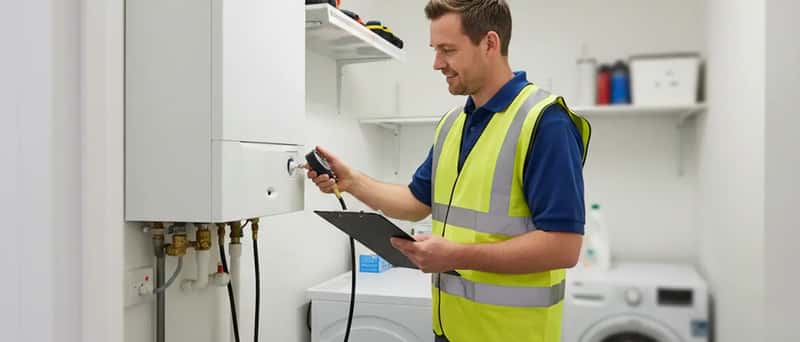
A qualified plumber in the UK should hold a Level 2 or Level 3 NVQ/SVQ in Plumbing and Heating. Gas work requires Gas Safe registration — this is a legal requirement under the Gas Safety (Installation and Use) Regulations 1998, not optional. Always ask for the engineer's Gas Safe ID number before any boiler or gas appliance work begins.
Beyond qualifications, check for public liability insurance. A reputable plumber carries at least £1 million in cover. Trade body membership adds another layer of trust: the Chartered Institute of Plumbing and Heating Engineering (CIPHE) and the Association of Plumbers and Heating Contractors (APHC) both vet their members.
Key point: A Gas Safe registered plumber must carry their ID card on every job. You can verify any engineer's registration at GasSafeRegister.co.uk.
How Much Do Plumbers Charge in the UK?
Plumbing rates vary by region, urgency, and job complexity. Here are typical 2024-2025 rates across the UK.
London and the South East sit at the top of the range, while rates in the Midlands and North tend to fall 15-25% lower [Checkatrade Regional Price Index, 2024]. Always request a written quote before work starts. A verbal estimate is not binding — a fixed-price written quote protects both parties.
When Should You Call an Emergency Plumber?
Not every leak requires an emergency callout. Knowing the difference saves money and stress.
Call immediately if:
- Water is flooding into your property and you cannot stop it at the stopcock.
- You smell gas anywhere near pipes or boiler — evacuate first, then call the Gas Emergency Service on 0800 111 999.
- Your heating fails completely during freezing conditions, especially if vulnerable people (elderly, young children) live in the home.
- A sewage backup is causing contaminated water to enter living spaces.
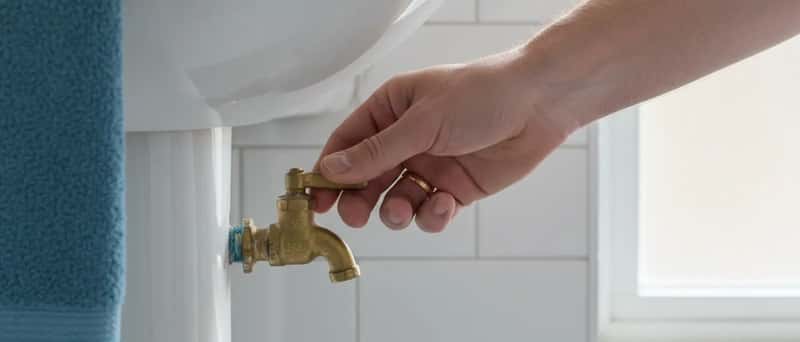
For slow drips, running toilets, or minor tap leaks, booking a next-day appointment at standard rates is usually sufficient. Turn off the water supply at the isolation valve under the affected fitting to limit damage while you wait.
A household tip from experienced tradespeople: Label your stopcock and isolation valves with bright tags before an emergency happens. In a crisis, most homeowners waste 10-15 minutes searching for them.
How Do You Find Trusted Plumbers Near You?
Start local. Word-of-mouth recommendations from neighbours remain the most reliable way to find a plumber — 67% of UK homeowners choose tradespeople based on personal referrals [YouGov/FMB, 2023].
If personal recommendations are unavailable, these verification steps help:
- Check trade directories with vetting: Platforms like Checkatrade, TrustATrader, and Expert Zoom's plumber listings verify qualifications and display genuine customer reviews.
- Verify Gas Safe registration online: Enter the engineer's licence number at the Gas Safe Register — takes 30 seconds.
- Request references and photos: Ask for two recent job references. A confident tradesperson will share them willingly.
- Compare at least three quotes: Get written quotes from three plumbers for any job over £200. This reveals the fair market rate for your area.
Avoid plumbers who demand large upfront payments. A deposit of 10-20% for materials on larger jobs is reasonable. Full payment before work starts is a red flag.
What Questions Should You Ask Before Hiring?
James, a homeowner in Bristol, hired a plumber to fix a persistent leak under his kitchen sink. The initial quote was £120. After the work, the invoice came to £340 — the plumber had replaced the U-bend without discussing it first. James had no written agreement and limited recourse.
This scenario is avoidable. Before any work begins, ask these five questions:
- Are you Gas Safe registered? (Essential for any gas-related work.)
- Do you carry public liability insurance? (Protects your property if something goes wrong.)
- Can you provide a written, itemised quote? (Verbal estimates are not binding.)
- What is your callout fee? (Some charge just for arriving; others include it in the hourly rate.)
- Do you guarantee your work? (Most professional plumbers offer 12-month workmanship guarantees.)
Under the Consumer Rights Act 2015, all services must be carried out with reasonable care and skill. If work is substandard, you have legal grounds to request a repair or partial refund.
Which Common Plumbing Jobs Can You Handle Yourself?
Not every plumbing issue requires a professional. Understanding the boundary between DIY fixes and jobs that need a qualified plumber keeps your costs down and your home safe.
| Job | DIY or Professional? | Why |
|---|---|---|
| Unblocking a sink | DIY | A plunger or drain snake handles most blockages |
| Replacing a tap washer | DIY | Simple swap with basic tools |
| Fixing a dripping tap (ceramic disc) | Professional | Requires specialist parts and correct torque |
| Boiler servicing or repair | Professional (Gas Safe) | Legal requirement — never attempt yourself |
| Radiator bleeding | DIY | Use a radiator key, catch water with a cloth |
| Moving or installing a radiator | Professional | Involves draining the system and soldering |
| Toilet cistern replacement | DIY (with care) | Straightforward if you isolate the water supply |
| Re-routing pipes or installing new runs | Professional | Building regulations may apply |
Essential: Any work involving gas, mains water re-routing, or connections to the sewer system should always go to a qualified plumber. DIY on gas appliances is not only dangerous — it invalidates your home insurance.
Frequently Asked Questions About Hiring a Plumber
Can a plumber work on gas boilers?
Only if they hold a valid Gas Safe registration. A general plumber can handle water supply, drainage, and non-gas heating, but touching gas appliances without certification is illegal under UK law. Always check before booking.
How long does a typical plumbing repair take?
Most standard repairs — replacing a tap, fixing a toilet cistern, clearing a blocked drain — take 1-2 hours. Boiler installations typically require a full day. Complex re-piping work may span 2-3 days depending on property size.
Should I use a plumber recommended by my insurance company?
Insurer-recommended plumbers are convenient, but you are not obligated to use them. You can choose your own qualified plumber and claim reimbursement, though check your policy terms first. Some policies require you to use their approved network for the claim to be valid.
What should I do if a plumber damages my property?
Document the damage with photos immediately. A plumber with public liability insurance should cover the repair costs. If they refuse, contact Citizens Advice or your local Trading Standards office. The Consumer Rights Act 2015 provides additional protection for substandard services.
Disclaimer: The information on this page is provided for general guidance only and does not constitute professional trade advice. For specific plumbing issues, always consult a qualified, registered plumber in your area.