 Elara Deschamps
UFC Fight Night returned to Winnipeg on April 18, 2026, with Mike Malott stopping Gilbert Burns in a brutal three-round main event at Canada Life Centre — the first time the promotion had visited Manitoba in over eight years. As Canadian fans celebrated Malott's stunning TKO victory, the night raised a question that doctors across the country are urging combat sports athletes and enthusiasts to take seriously: what does repeated trauma to the head actually do to the human brain?
An Emotional Night in Winnipeg — and a Sobering Medical Reality
Burns, a former welterweight title contender, placed his gloves in the centre of the octagon after the defeat, signalling his retirement. For a fighter who absorbed substantial punishment throughout his career, the moment was poignant. It was also a reminder that combat sports exacts a cumulative toll that often isn't visible until years later.
According to research published by the National Institutes of Health, head injuries account for between 67.5% and 79.4% of all injuries in mixed martial arts by anatomical region. During a UFC bout, athletes receive an average of 2.41 significant head strikes per minute — a rate that, over a career of dozens of fights, adds up to thousands of high-impact blows.
Canada Life Centre seats over 15,000 fans. Most of them went home thrilled by the action. Some of the fighters on the card went home with headaches, dizziness, or worse.
What Concussion and CTE Really Mean for Canadian Athletes
A concussion occurs when a blow to the head causes the brain to move rapidly inside the skull. Symptoms include confusion, memory difficulties, nausea, sensitivity to light, and mood changes. Many athletes — at the amateur and professional level alike — underestimate the severity of these symptoms or return to training before they have fully recovered.
Chronic traumatic encephalopathy, or CTE, is a degenerative brain condition linked to repeated head trauma. It can only be formally diagnosed post-mortem, which is part of what makes it so dangerous: athletes may live with worsening cognitive and behavioural symptoms for years without understanding the cause.
Notable MMA fighters diagnosed with CTE-related conditions include Gary Goodridge and James Leahy. In 2016, MMA fighter Jordan Parsons had CTE detected posthumously. Wanderlei Silva — one of the sport's legends — publicly acknowledged in 2018 that he was experiencing symptoms consistent with the disease.
In 2026, a significant research breakthrough emerged: MRI technology capable of detecting a leaky blood-brain barrier in living patients is now being studied as an early warning system for CTE. This means athletes may, for the first time, be able to identify their risk before irreversible damage sets in. The research, presented in peer-reviewed journals in early 2026, marks a turning point in how sports medicine approaches head trauma prevention.
The Amateur Risk: Who Should Be Most Concerned?
UFC events like Winnipeg spotlight elite athletes who have access to medical teams, ringside physicians, and structured athletic commissions. In Ontario, provincial regulations require a physician to be present at every sanctioned MMA event. British Columbia and Alberta have similar protections.
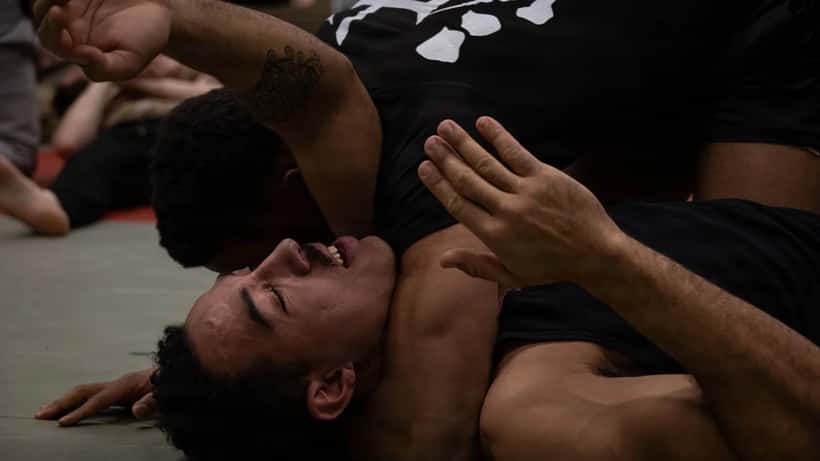
But the vast majority of Canadians who train in combat sports — boxing, kickboxing, Muay Thai, wrestling, BJJ — do so at gyms that lack equivalent oversight. Sparring partners hit each other hard. Protective gear reduces but does not eliminate impact. Coaches may not be trained to recognize the signs of a serious head injury in time.
The concerns are not limited to competitors. Even recreational hobbyists who spar regularly are accumulating head trauma over time. A 2022 study in the British Journal of Sports Medicine found that subconcussive impacts — hits that do not cause an immediate concussion but are below the threshold of consciousness — still cause measurable neurological changes.
Warning Signs You Should Never Ignore After a Hit to the Head
Health professionals recommend seeking medical attention immediately after any blow to the head accompanied by:
- Confusion or disorientation lasting more than a few seconds
- Loss of consciousness, even briefly
- Persistent headache that worsens over 24 hours
- Nausea or vomiting
- Sensitivity to light or noise
- Memory gaps around the moment of impact
- Mood changes, irritability, or depression emerging in the days or weeks following
The danger of "walking off" a concussion cannot be overstated. Returning to physical activity — including training — before the brain has healed substantially increases the risk of second-impact syndrome, a rare but potentially fatal condition in which a second concussion occurs before the first has resolved.
According to Health Canada's guidance on concussion in sport, Canadians who experience any of the above symptoms after a head impact should avoid physical exertion, screen exposure, and noisy environments, and consult a physician before returning to sport.
How a Canadian Health Expert Can Help
Many general practitioners are comfortable managing mild concussions, but more complex presentations — persistent symptoms, cognitive difficulties, or suspected CTE-related changes — warrant specialist evaluation. Sports medicine physicians, neurologists, and neuropsychologists all play roles in the continuum of care for combat athletes.
ExpertZoom connects Canadians with qualified healthcare professionals across the country. Whether you are a recreational boxer in Calgary, a BJJ practitioner in Montreal, or a Muay Thai student in Vancouver, a consult with a doctor who understands sports-related head trauma can provide the kind of individualized assessment that generic online information cannot.
Watching the UFC and loving combat sports is not a problem. Ignoring the medical signals your body sends is.
Disclaimer: This article is for informational purposes only and does not constitute medical advice. If you have experienced a head injury, please consult a qualified healthcare professional immediately.
