 Maya MacDonald
UFC heavyweight Derrick Lewis is trending across Canada this week as fans follow the buildup to UFC 328 in May 2026 — but behind the hype of knockout knockdowns lies a growing medical concern: the long-term effects of repeated head trauma on combat athletes. Lewis, known as "The Black Beast" and one of the sport's most prolific knockout artists, exemplifies the very fighters most at risk.
Why UFC Fans in Canada Are Talking About Head Trauma Right Now
Derrick Lewis, who has recorded 28 knockouts in his career and has absorbed hundreds of significant strikes, suffered a TKO loss to Waldo Cortes-Acosta at UFC 324 in January 2026. He is scheduled to return to competition in June 2026. The pattern — fight, injury, return — is common in MMA, and Canadian sports physicians are raising alarms about what this cycle does to the human brain over time.
According to Health Canada's Concussion Guidelines, a concussion is a traumatic brain injury that alters brain function and can have lasting consequences if not properly diagnosed and managed. In combat sports, where head blows are the goal and not an accident, the risk compounds with every bout.
What Happens to the Brain After Repeated Strikes
Medical experts describe a spectrum of injury from a single concussion to chronic traumatic encephalopathy (CTE), a degenerative brain disease found in athletes with repeated head trauma. A 2023 study from the Canadian Centre for Ethics in Sport noted that contact sports athletes showed measurable cognitive decline within five years of sustained competition.
The key warning signs that a person has suffered a serious head impact — whether in a professional cage or a weekend boxing class — include:
- Persistent headaches lasting more than 24 hours
- Memory gaps or confusion about recent events
- Unusual mood changes or increased irritability
- Sensitivity to light or sound
- Dizziness that does not resolve with rest
Unlike a broken arm that appears on an X-ray, brain injuries are invisible. Many combat athletes — amateur or professional — push through these symptoms because there is no visible wound. That delay in treatment is where the real damage compounds.
The Gap Between What Fighters Experience and What They Report
Canadian physicians working with contact sports athletes say the culture of toughness in combat sports discourages athletes from reporting symptoms. A 2024 survey by the Canadian Medical Association found that 62% of amateur contact sport athletes under 30 had experienced at least one concussion-like episode but did not seek medical attention within 72 hours of the event.
For professional fighters like Derrick Lewis, there is mandatory medical oversight from athletic commissions. But for recreational boxers, mixed martial artists in amateur leagues, and even enthusiastic fans who take up sparring at local gyms, the safety net is far thinner.
The Ontario Athletic Commissioner's office requires ringside physicians at all licensed professional bouts. Yet gym sparring — where most repetitive trauma actually occurs — operates outside these regulations entirely.
When Should You See a Doctor After a Head Impact?
Canadian sports medicine doctors recommend seeking evaluation immediately, not waiting to see if symptoms "pass," if any of the following apply after a head strike:
- Loss of consciousness, even briefly
- Vomiting after the impact
- Worsening headache over the first 6 hours
- Slurred speech or difficulty forming sentences
- Seizure-like activity or uncontrollable shaking
Even milder symptoms — a dull headache, brief confusion, "seeing stars" — warrant a visit to a physician if they persist beyond 24 hours. The standard assessment tool used in Canadian emergency rooms, the SCAT6 (Sport Concussion Assessment Tool 6), allows doctors to benchmark neurological function and determine the appropriate return-to-activity timeline.
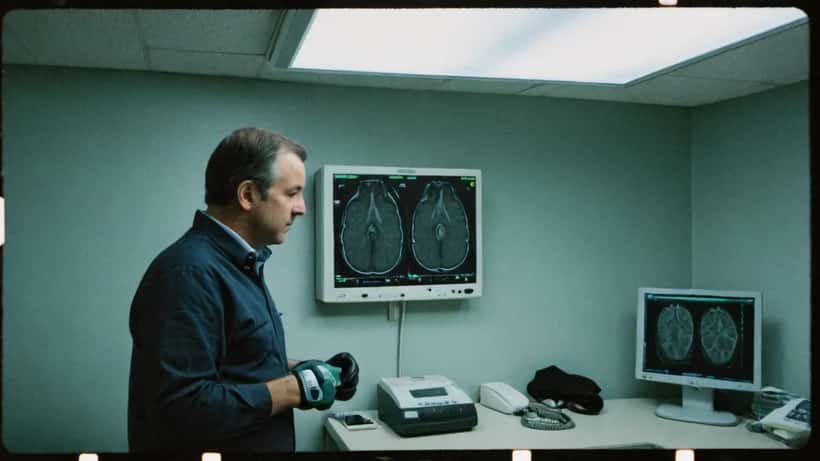
For those already experiencing long-term cognitive symptoms years after combat sports participation, neurological specialists can assess for CTE-related decline through a combination of cognitive testing and imaging. This diagnosis has become more accessible in Canada in recent years, particularly in Ontario and British Columbia, where sports medicine clinics have expanded concussion programs since 2023.
The Expert Consultation Question: When Is It More Than a Bump?
The Hayley Williams controversy and the Derrick Lewis fight card trending this week are reminders that combat sports are woven into Canadian popular culture. Millions of Canadians follow the UFC, train in martial arts, or watch boxing — and a growing number are active participants.
The medical question is simple: are you treating your brain the way you treat every other organ? A broken finger sends most people to urgent care immediately. A head impact that causes even brief confusion is statistically more dangerous — and yet most Canadians wait and see.
If you or someone in your household participates in contact sports and has experienced repeated head impacts, consulting a sports medicine physician or neurologist is not an overreaction. It is preventive medicine applied exactly where the evidence says it matters most.
A qualified health specialist can evaluate your baseline neurological function, monitor changes over time, and give you a medically sound answer to the question that matters: is it safe to keep training?
Medical Disclaimer: This article is for informational purposes only and does not constitute medical advice. If you have concerns about head trauma or neurological symptoms, consult a qualified physician.
