 Maya MacDonald
Mahmoud Trezeguet sealed Egypt's 3-1 World Cup 2026 victory over New Zealand on June 22, 2026, completing a stunning comeback story that stretches back years of painful rehabilitation. For millions of recreational athletes and weekend warriors across Canada, the Egyptian winger's journey from a torn ACL to scoring at the World Cup carries a vital message: the right medical support at the right time makes all the difference.
Trezeguet's Road Back: A Case Study in Sports Injury Recovery
Mahmoud Hassan Trezeguet was forced off during an Africa Cup of Nations match against Benin with a serious ankle injury, leaving Egypt's coaching staff holding their breath weeks before the 2026 World Cup. Before that, the Aston Villa winger suffered a ruptured anterior cruciate ligament in 2021 — one of football's most feared diagnoses — and spent months rebuilding from scratch.
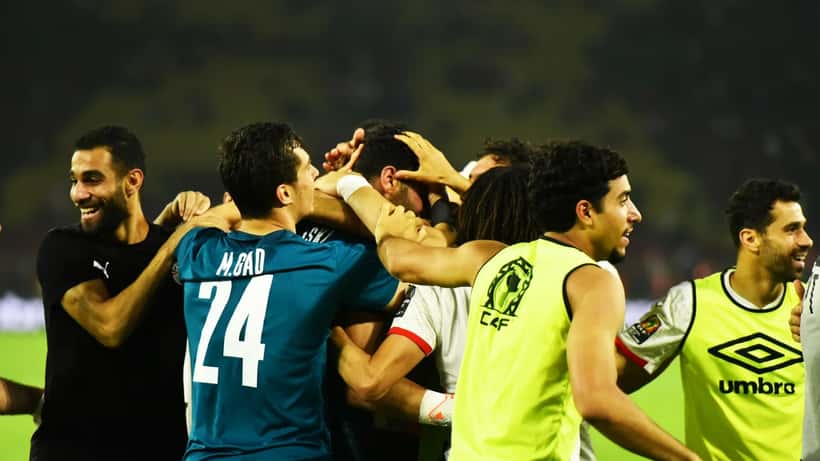
Yet on June 22, 2026, he stepped onto the pitch in front of a packed stadium, linked with Mohamed Salah, and finished coolly to make it 3-1 against New Zealand. Egypt's first World Cup since 1990 is real, and Trezeguet, at 31 years old, is living proof that thorough sports medicine care extends athletic careers.
The question for Canadians watching at home: are you taking your own sports injuries as seriously?
Why Canadians Ignore Sports Injuries — Until It's Too Late
According to the Canadian Academy of Sport and Exercise Medicine (CASEM), musculoskeletal injuries account for a significant proportion of primary care visits in Canada, yet many patients delay specialist consultation by weeks or months. That delay frequently converts a treatable soft-tissue injury into a chronic condition requiring surgery.
The instinct to "walk it off" runs deep in hockey rinks, soccer pitches, running trails, and CrossFit boxes across the country. But ignoring warning signals doesn't make them disappear — it compounds the damage.
5 Signs Your Sports Injury Needs a Specialist, Not Just Rest
1. Swelling that doesn't reduce within 48 hours
Mild post-exercise swelling is normal. Swelling that persists or worsens after 48 hours of rest, ice, and elevation points to internal bleeding, a tear, or joint damage that basic first aid cannot address. Trezeguet's ankle swelling following his AFCON exit required immediate imaging and specialist intervention. If your ankle, knee, or shoulder puffs up and stays puffy, book a sports medicine consultation.
2. A "pop," "snap," or grinding sensation at the moment of injury
A mechanical sound during injury is rarely a good sign. It often signals ligament rupture (as with ACL tears), cartilage damage, or a stress fracture reaching its breaking point. Trezeguet reportedly heard a distinct impact sensation during his ankle incident. These sounds represent structural events — no amount of stretching or physiotherapy self-care at home will reverse a torn ligament without professional diagnosis first.
3. Pain that changes your movement pattern
When your body subconsciously shifts how you walk, run, or throw to avoid pain, that compensation creates secondary injuries elsewhere. A knee injury that makes you limp stresses your hip flexors and lower back. A shoulder strain that makes you favour one side throws off your rotator cuff mechanics. This is precisely how a single injury becomes three. A sports medicine physician can identify compensatory movement early and prevent the cascade.
4. No improvement after two weeks of standard RICE treatment
Rest, ice, compression, elevation — RICE is the correct first response. But RICE is a first response, not a full treatment plan. If two weeks of consistent self-care hasn't produced clear, measurable improvement in pain and function, your injury almost certainly requires imaging (MRI, ultrasound) or hands-on clinical assessment to understand what's actually damaged. Canada's publicly funded system can address this, but a sports medicine specialist will fast-track the diagnostic pathway and prevent further deterioration.
5. Recurring injuries to the same area
Trezeguet's ankle was not his first major physical setback. When the same body part keeps breaking down — the same hamstring, the same knee, the same shoulder — it signals an underlying weakness, biomechanical imbalance, or incompletely healed tissue. Treating only the acute flare-up without addressing the root cause guarantees the injury will return, often worse. A sports medicine specialist will assess the full movement chain, not just the site of pain.
The Professional Athlete Standard — Now Available to Every Canadian
What separates elite athlete recovery from recreational athlete recovery is no longer access to technology. The diagnostic tools — MRI, ultrasound, gait analysis — exist in Canadian clinics across every province. What separates outcomes is the decision to use them.
Trezeguet didn't return to World Cup football by resting and hoping. Egypt's medical staff ran imaging, created a structured rehabilitation programme, monitored load management week by week, and cleared him only when objective markers showed he was ready. That's the standard of care, not a luxury reserved for professionals.
CASEM recommends that any athlete experiencing recurring injury, pain that limits performance, or uncertainty about return-to-play timing consult a sport and exercise medicine physician. You don't need a referral to access a sports medicine specialist in most Canadian provinces.
WC2026 Is a Reminder That Bodies Need Expert Care
Egypt's 3-1 win over New Zealand is one of the tournament's feel-good stories of June 22, 2026. Trezeguet's goal, Salah's leadership, and a national team returning to the World Cup stage after 36 years make for compelling viewing. But behind every elite performance is a medical team that managed fatigue, diagnosed injuries early, and built athletes back systematically.
Whether you play recreational soccer on Tuesday evenings, run weekend trails, or train at the gym five days a week, your body deserves the same evidence-based attention. The signs above are not minor inconveniences — they are your body asking for professional help.
This article contains general health information. Always consult a qualified sports medicine physician or healthcare professional regarding any injury. Do not delay professional medical advice based on information read online.
A sports medicine specialist on ExpertZoom can help you assess your injury, understand your recovery options, and build a return-to-sport plan tailored to your goals. Find a Health Expert on ExpertZoom and get the same quality of care that keeps professional athletes on the pitch.
For further reading on evidence-based sport injury management in Canada, the Canadian Academy of Sport and Exercise Medicine publishes clinical guidelines for athletes and coaches.
Already curious how other World Cup athletes manage injury comebacks? Read how Tahith Chong overcame a locked knee to reach the 2026 World Cup and what Kenan Yildiz's calf injury tells us about sports medicine at the elite level.
