 Olivia Dubois
In the warm-up before Sheffield United's Championship match at Oxford in October 2025, Tahith Chong's knee suddenly locked. The Curaçao-born winger could not straighten his leg and was pulled from the lineup before the match even started. Scans confirmed cartilage damage — an injury that threatened to derail his season and his dream of playing at the 2026 FIFA World Cup.
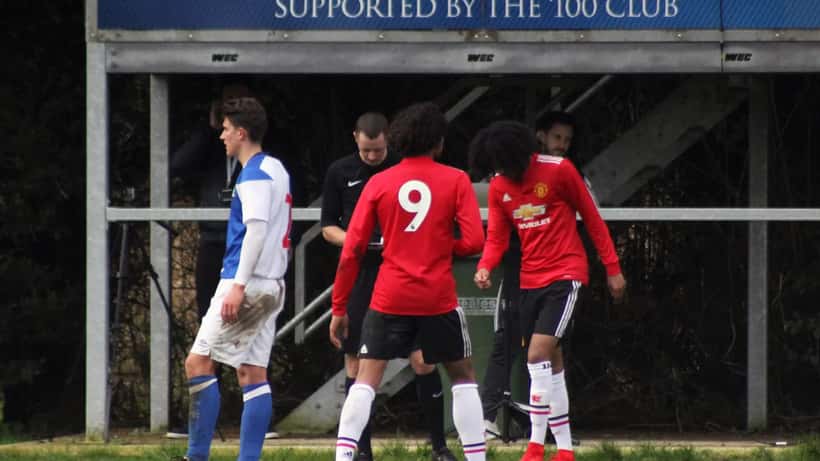
Five months later, the 26-year-old walked out in Houston to represent Curaçao on football's biggest stage. Curaçao is the smallest nation ever to qualify for a World Cup, with a population of fewer than 160,000 people. For Chong — the only player on the squad born on the island — the moment was personal.
His comeback is a story of resilience, professional rehabilitation, and early expert intervention. It is also a story that speaks directly to the thousands of Canadian recreational athletes who shrug off knee pain every week and hope for the best.
The Injury That Nearly Cost Him Everything
When Chong's knee locked during warm-up at Oxford's Kassam Stadium, Sheffield United manager Chris Wilder confirmed the midfielder had "sustained a knee injury" and required immediate scans. The diagnosis — cartilage damage — placed him in a recovery window initially estimated at six weeks. In practice, his full return to first-team action did not come until early December 2025, a full two months after the incident.
Cartilage in the knee has no blood supply of its own. Unlike muscle or skin, it does not heal efficiently once damaged. A torn or compressed piece of cartilage can lock the joint — blocking normal motion in exactly the way Chong experienced — or degrade quietly over time until pain and swelling become chronic.
What makes Chong's story medically instructive is that there was no dramatic tackle, no collision, no obvious trauma. The injury occurred during an ordinary pre-match movement. This is far more common than most people realise: many serious knee injuries in sport happen through twisting, cutting, or simply landing from a jump on a misaligned leg.
Chong's rapid access to imaging, specialist rehabilitation, and a structured return-to-play programme was central to his recovery. By June 2026, he was on the pitch for Curaçao at the WC2026 Group E stage alongside Germany and Ivory Coast.
5 Warning Signs Your Knee Injury Needs a Doctor
Many Canadians manage knee pain at home with rest and ice and assume time will resolve the problem. But some signs indicate a professional assessment is necessary — and delaying care can turn a minor problem into a surgical one. As World Cup 2026 has shown, knee and joint injuries are affecting elite and everyday athletes alike.
1. The Knee Locks or Catches Mid-Movement
A knee that locks — you cannot straighten it fully — or repeatedly catches with a painful click is a red flag. As Chong experienced, this typically signals a torn meniscus or displaced cartilage fragment blocking the joint. It is not a symptom to wait out. According to the Public Health Agency of Canada, musculoskeletal conditions limiting joint function should be assessed by a health professional, not self-managed. A sports medicine doctor or physiotherapist can evaluate whether imaging is needed.
2. Swelling That Develops Within Two Hours
Rapid post-injury swelling — a knee that visibly enlarges within the first two hours — usually indicates bleeding inside the joint from ligament or cartilage damage. Slower swelling appearing the next day typically signals inflammation. Both patterns warrant professional evaluation: the cause determines whether you need rest, physiotherapy, injections, or surgery.
3. A Feeling of Instability or Buckling
If your knee gives way unexpectedly when you walk, descend stairs, or change direction, the joint's stabilising structures may be compromised. This sensation — often described as the knee "giving out" — is closely associated with anterior cruciate ligament (ACL) tears but can also result from meniscus or collateral ligament damage. Without treatment, instability worsens and increases the risk of secondary injury.
4. Pain That Does Not Improve After 72 Hours
Minor sports injuries — bruising, mild sprains — improve significantly within 48 to 72 hours of rest, ice, compression, and elevation. If your knee pain is unchanged or worsening after three days, or if pain is present at rest, that pattern suggests the injury may be more significant than a soft-tissue contusion. Professional assessment at this point prevents a minor injury from becoming chronic.
5. The Injury Forced You to Stop Mid-Activity
If a knee problem caused you to stop exercising, playing, or warming up — the way Chong's injury ended his match preparation entirely — that severity warrants a clinical assessment. Recreational athletes frequently minimise injuries that forced them to stop completely, telling themselves they "just need to stretch." That approach is how temporary injuries become permanent limitations.
Why Early Assessment Changes Outcomes
Chong's case demonstrates what happens when a serious knee injury receives proper professional care promptly: imaging confirmed the diagnosis, a structured rehabilitation plan was built, and a monitored return-to-play timeline was followed. The result was a World Cup appearance rather than a missed season.
For Canadian amateur athletes — weekend football players, recreational runners, fitness enthusiasts — the same principles apply. Early diagnosis narrows the range of treatments available; a small cartilage tear caught early may respond to physiotherapy, while the same tear ignored for six months may require arthroscopic surgery.
The most important factor is not the severity of the initial injury. It is how quickly and appropriately it is evaluated.
Getting the Right Expert Help
If you are experiencing any of the five warning signs above — especially a knee that locks, rapid swelling, or persistent pain beyond 72 hours — a health professional can provide clarity you cannot get from rest alone. Sports medicine doctors, orthopaedic specialists, and physiotherapists can assess your specific situation and recommend a path forward.
ExpertZoom connects Canadians with verified health professionals across the country. If a knee injury is limiting your movement or your training, a consultation with a qualified sports medicine doctor is the right first step — not the last resort.
YMYL disclaimer: This article is for informational purposes only and does not constitute medical advice. Always consult a qualified health professional regarding any injury or medical concern.
