 Clara Thompson
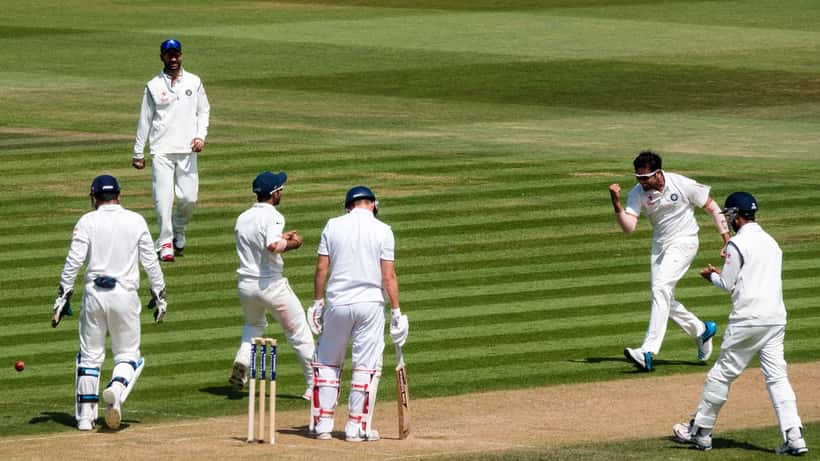
On April 12, 2026, during Mumbai Indians' match against Royal Challengers Bengaluru at Wankhede Stadium in Mumbai, Rohit Sharma — one of cricket's most celebrated batsmen — was forced to retire hurt after sustaining a hamstring injury mid-innings. His early departure halted play and reminded millions of fans worldwide of a painful sporting truth: even elite athletes are vulnerable to muscle injuries that end seasons and alter careers.
What Happened to Rohit Sharma
The incident occurred during IPL 2026 Match 20. Rohit Sharma was batting in the second innings when he was seen struggling with a hamstring problem. The team physio attended to him on the field before he was forced to retire, with Suryakumar Yadav coming in as his replacement. RCB had posted 240 for 4 off their 20 overs — a daunting total — and Rohit's absence was a significant blow to MI's chase.
Hamstring injuries are among the most common in high-performance cricket, particularly for players who combine explosive batting with intense fielding. According to Sport Medicine Australia, hamstring strains account for approximately 12 to 15% of all muscle injuries in professional cricket, with recurrence rates as high as 30% if not properly rehabilitated.
Understanding Hamstring Injuries: Grade by Grade
The hamstring muscle group consists of three muscles at the back of the thigh: the biceps femoris, semitendinosus, and semimembranosus. "Hamstring injury" is not a single diagnosis — it spans a spectrum:
Grade 1 (mild strain): Micro-tears in the muscle fibres. Minor pain, tenderness, and tightness. Recovery: 1 to 3 weeks with proper rest and physiotherapy.
Grade 2 (partial tear): More significant fibre disruption. Sudden sharp pain, swelling, and reduced strength. Recovery: 4 to 8 weeks, often requiring formal rehabilitation.
Grade 3 (complete rupture): Full or near-complete tear of the muscle or tendon attachment. Severe pain, immediate loss of function, visible bruising. Recovery: 3 to 6 months, sometimes requiring surgery.
Elite athletes like Rohit Sharma are typically assessed and graded within hours of an incident using ultrasound or MRI imaging — and their rehabilitation protocols are structured and closely monitored.
Why Canadians Underestimate Hamstring Injuries
Here's the problem: most Canadians who experience a hamstring strain don't have a team of physios on standby. Many attempt to "walk it off" or return to activity too quickly — and that's when a Grade 1 strain becomes a Grade 2, or a Grade 2 becomes a long-term chronic issue.
Common scenarios that lead to hamstring injuries among recreational athletes and weekend warriors in Canada include:
- Sprinting during recreational hockey, soccer, or tennis without a proper warm-up
- Resuming training after a period of inactivity, particularly in cold weather
- Overuse without adequate recovery days
- Strength imbalances between the quadriceps and hamstrings (a 3:2 ratio is considered ideal; many people are significantly lopsided)
A hamstring injury that is mismanaged can lead to scar tissue formation, chronic tightness, and a significantly elevated risk of re-injury — sometimes affecting the same athlete for years.
When to See a Sports Medicine Specialist
Not every muscle tweak requires a specialist. But there are clear indicators that suggest you should seek professional evaluation rather than managing at home:
- Audible pop or snap at the moment of injury — often indicates a Grade 2 or 3 tear
- Immediate loss of strength or inability to bear weight
- Visible bruising within the first 24 to 48 hours (blood pooling under the skin suggests significant tissue damage)
- Pain or stiffness that does not improve after 72 hours of rest and basic ice/compression treatment
- A second injury to the same area — recurrence is a major red flag that the original tear was not fully healed
A sports medicine physician can order imaging (ultrasound or MRI), determine the grade of injury, prescribe appropriate physiotherapy, and — critically — advise on a safe return-to-sport timeline. Returning too early is the single most common cause of hamstring re-injury.
The Importance of Rehabilitation
Whether the patient is an IPL superstar or a Saturday morning recreational athlete, the core principles of hamstring rehabilitation are identical:
- Acute phase (Days 1 to 3): RICE protocol — rest, ice, compression, elevation. No stretching of the injured muscle.
- Sub-acute phase (Days 4 to 14): Gentle range-of-motion exercises, gradual loading, and soft tissue therapy with a physiotherapist.
- Strengthening phase (Weeks 2 to 6): Progressive eccentric strengthening exercises — Nordic hamstring curls are particularly evidence-based for injury prevention and recovery.
- Return-to-sport phase: Sport-specific movement at increasing intensity, supervised by a sports medicine professional before full clearance.
Skipping any phase — especially the strengthening phase — dramatically increases re-injury risk.
Cricket's Injury Surge Is a Signal for Canadian Fans Too
Cricket is Canada's fastest-growing amateur sport, according to Cricket Canada, with over 200,000 registered players nationwide. As the sport grows — especially among South Asian communities in the Greater Toronto Area, Greater Vancouver, and Calgary — so does the frequency of cricket-related injuries presenting in Canadian clinics.
If you play recreational cricket, hockey, soccer, or any sport that involves sprinting and sudden changes of direction, taking hamstring health seriously is not optional. A qualified sports medicine doctor or physiotherapist can assess your muscle balance, design a prevention program, and catch early warning signs before they become season-ending injuries.
Rohit Sharma's retirement hurt at Wankhede Stadium was a dramatic moment in IPL 2026. For Canadian athletes, it's also a useful reminder: don't wait for a sharp, sudden pain to take your hamstrings seriously.
This article is for informational purposes only and does not constitute medical advice. If you've experienced a muscle injury, consult a licensed physician or sports medicine specialist for a proper assessment.
