 Olivia Dubois
Mitchell Marsh's 2026 cricket season has been defined as much by absences as appearances. Australia's T20 World Cup captain missed his country's opening match of the tournament after suffering internal testicular bleeding during a training session — a freak injury caused by a direct blow from a sidearm throw from one of Australia's assistant coaches. More recently, a lower back injury has seen him sidelined from Australia's tour of Sri Lanka. Canadians have been searching Marsh's name in growing numbers, partly out of curiosity about the injuries themselves — and the questions they raise about how elite athletes manage traumatic physical setbacks.
What Happened: The T20 World Cup Injury
During a training session ahead of Australia's T20 World Cup 2026 campaign, Marsh sustained a direct blow to the groin area. Subsequent scans confirmed internal testicular bleeding — a condition that causes significant pain, restricts movement, and requires careful medical management before any return to physical activity.
Cricket Australia confirmed at the time that "his return to play will be guided by symptom resolution and medical advice." Steve Smith was flown to Sri Lanka as reserve cover, while Travis Head led Australia in Marsh's absence. The injury was not caused by recklessness or overtraining — it was a training accident, the kind that can happen in any sport and at any level.
That's precisely why it resonated beyond cricket fans. A sudden, painful groin injury can happen to anyone who plays sport, goes to the gym, or engages in any physical activity involving contact or heavy exertion. And the medical questions Marsh's situation raised — when is it safe to return? What does "symptom resolution" actually mean? When should you see a specialist? — are questions that Canadian recreational athletes face regularly.
Groin Injuries: More Complex Than They Appear
Groin injuries are among the most frequently mismanaged soft tissue injuries in sports medicine. The groin encompasses multiple structures: the adductor muscles of the inner thigh, the hip flexors, the iliopsoas complex, the pubic symphysis, and — in male athletes — structures of the inguinal region. A "groin injury" can mean something relatively minor, or it can mean a torn adductor, a stress fracture of the pubic ramus, or, as in Marsh's case, internal bleeding that requires a period of complete rest.
The danger of underestimating groin injuries is well-documented. According to research published in the British Journal of Sports Medicine, groin pain is responsible for up to 14% of all injuries in team sports. Athletes — particularly those playing through pain to stay on the field — are at significantly elevated risk of turning a manageable injury into a chronic condition requiring surgery.
When should a Canadian athlete seek medical advice for a groin injury?
- Immediate swelling or bruising following a blow or sudden strain
- Pain that does not improve after 48 hours of rest
- Pain during walking or climbing stairs, not just during sport
- Weakness in the hip or inner thigh when performing basic movements
- Any symptom following direct trauma to the groin area — particularly in male athletes, where testicular injury carries significant risk if untreated
Low Back Injuries: The Recurring Problem
Marsh's second major 2026 setback — the lower back injury that has kept him out of the Sri Lanka tour — reflects a broader pattern in cricket at the elite level. Bowlers and all-rounders, who produce high-speed rotational forces through the lumbar spine on every delivery, are particularly vulnerable to stress fractures, disc bulges, and facet joint injuries.
According to Government of Canada health data on back injuries, back pain is the most common cause of disability for Canadians under 45, affecting 4 out of 5 people at some point in their lifetime. In sport, lumbar injuries account for a disproportionate share of lost training time.
What makes low back injuries particularly dangerous in athletes is the tendency to return to training before structural healing is complete. Pain may resolve before the underlying injury has stabilized — creating a window in which re-injury can cause far more serious damage than the original incident.
The Case for Specialist Assessment in Sport
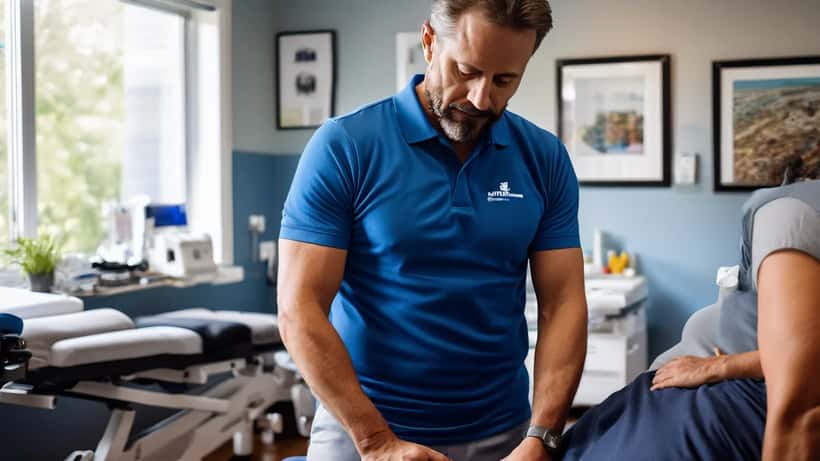
Marsh's situation is managed by a full team: physiotherapists, sports medicine doctors, orthopaedic consultants, and imaging specialists. For professional athletes, that level of access is standard. For recreational Canadian athletes — weekend cricketers, hockey players, gym-goers, and weekend warriors — it rarely is.
The result is a pattern that sports medicine practitioners see repeatedly: a groin tweak that becomes a chronic adductor problem. A lower back strain that quietly progresses to a disc herniation. An injury initially dismissed as "just soreness" that ends up requiring months of recovery because it was never properly assessed.
A sports medicine physician or physiotherapist with experience in musculoskeletal injury can:
- Distinguish between muscle injury, joint injury, and more serious structural damage
- Order appropriate imaging (ultrasound or MRI) when soft tissue injury is suspected
- Design a structured return-to-sport protocol with graduated loading
- Identify athletes at risk of chronic injury patterns before they develop
ExpertZoom connects Canadians with licensed physicians, physiotherapists, and specialists across the country. Whether you've sustained a sports injury in Vancouver, Toronto, Calgary, or anywhere in between, an early consultation can mean the difference between a week off and a season on the sidelines.
What Mitchell Marsh's Season Teaches the Rest of Us
Marsh is a professional athlete with access to the best sports medicine infrastructure in the world. Even with that support, two separate injuries have already disrupted his 2026 season. For Canadians playing recreational sport without that infrastructure behind them, the lesson is clear: don't play through pain and hope for the best.
Groin injuries are not always dramatic. Back injuries often start with a dull ache. But the body is communicating something real — and the earlier that signal is assessed by a professional, the better the outcome.
Disclaimer: This article is for informational purposes only and does not constitute medical advice. If you have sustained a sports injury, please consult a qualified healthcare professional before returning to physical activity.
