 Victoria Stewart
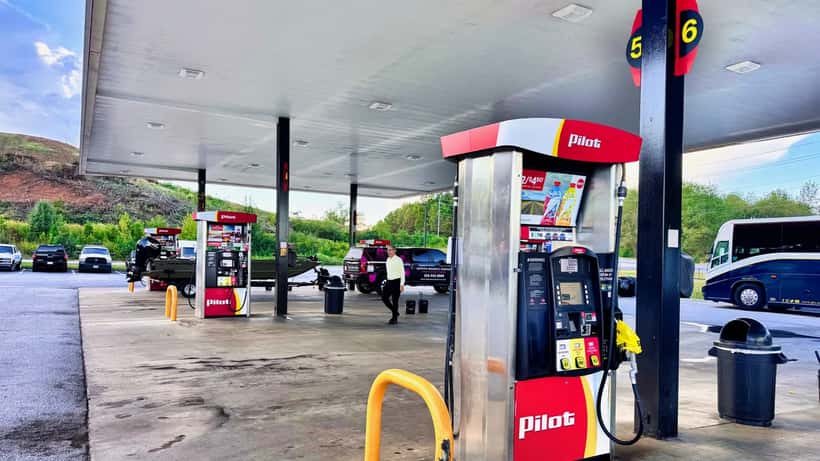
Ottawa drivers faced gas prices approaching $2 per litre on April 18, 2026 — a spike of roughly 30 percent from levels seen just weeks earlier — as the ongoing Iran war and U.S. naval blockade of the Strait of Hormuz continue to disrupt global oil supply. The national average for gasoline has risen to over 176 cents per litre, up from about 126 cents per litre before the conflict escalated, according to the CBC.
The federal government has responded. Prime Minister Mark Carney announced the temporary suspension of the federal fuel excise tax on gasoline and diesel starting April 20, 2026, providing Canadians with approximately 10 cents per litre in savings. But even with the tax break, fuel costs remain near historic highs — and financial planning experts say households and businesses need to take a more strategic approach to managing energy-related expenses.
Why Gas Prices Are Surging: The Strait of Hormuz Crisis
The root cause of the current price spike is the partial closure of the Strait of Hormuz, the narrow waterway between Iran and Oman through which approximately one-fifth of the world's oil is transported daily.
The United States imposed a naval blockade on Iran beginning April 13, 2026, following the breakdown of peace negotiations. On April 19, the U.S. Navy seized the Iranian-flagged cargo vessel Touska after it attempted to breach the blockade — the first such seizure of a merchant ship under the blockade. The International Energy Agency has called this the "largest supply disruption in the history of the global oil market."
With tankers unable to pass freely through the strait, oil has been rerouting around the Cape of Good Hope, adding 10 to 14 days to voyage times and dramatically increasing shipping costs. Those costs flow through to consumers at the pump.
Refineries are also switching to summer-grade gasoline blends in April, which adds additional cost regardless of the geopolitical situation. The combination of the seasonal blend change and the Iran crisis has created a perfect storm for Canadian motorists.
The Government Relief Package: What the Fuel Tax Suspension Means
Effective April 20, 2026, the Canadian federal government is suspending the federal fuel excise tax through to September 7 — Labour Day weekend. This provides a saving of approximately 10 cents per litre on gasoline and diesel.
For the average Canadian driver who fills a 60-litre tank weekly, the tax suspension saves roughly $6 per fill-up, or around $24 per month. That is meaningful relief, but it does not close the full gap created by the crisis. Gas prices were roughly 50 cents per litre higher in mid-April compared to pre-conflict levels, meaning households are still bearing significant extra costs.
The tax cut also does not help with diesel, which has a larger impact on commercial vehicles, trucking, and food supply chains. According to CP24, diesel prices are expected to remain elevated for months, hitting consumers harder through higher costs for goods and services.
How to Protect Your Budget: A Financial Planning Perspective
Rising fuel prices affect nearly every dimension of household and business finances. A qualified wealth management advisor or financial planner can help you model the impact and identify strategies to offset it.
For households:
- Review discretionary spending. A 30 percent increase in fuel costs has the same effect as a significant reduction in disposable income. Identifying non-essential spending to offset the fuel increase prevents the extra cost from flowing into credit card debt.
- Consider fuel-efficient driving habits. Maintaining correct tire pressure, avoiding aggressive acceleration and braking, and combining errands into single trips can reduce fuel consumption by 10 to 15 percent — savings that compound over months of elevated prices.
- Use price-tracking tools. Apps like GasBuddy allow you to identify the lowest prices in your area. In Ottawa, price variation between stations often exceeds 5 cents per litre on the same day. Tracking prices before filling up adds up.
- Reassess your commute. If remote or hybrid work is possible, now is an excellent time to renegotiate your schedule with your employer. Even one fewer commute day per week saves significantly over a month of $2/L prices.
For businesses:
- Review fuel surcharge clauses in logistics and delivery contracts. Many contracts have provisions that activate at specific fuel price thresholds. Understanding whether those clauses protect or expose you is critical.
- Assess energy cost exposure. If your business uses commercial vehicles, heavy machinery, or heating fuel, model a scenario where prices remain elevated through summer. Speak with a financial advisor about cash flow planning and whether hedging strategies (available through certain commercial bank products) make sense for your situation.
- Check your GST/HST input tax credits. If your business purchases fuel for commercial purposes, those costs are typically eligible for input tax credits. Ensuring your bookkeeping captures fuel expenses accurately maximizes the offsetting tax benefit.
According to the Canada Revenue Agency, the federal fuel excise tax changes announced by the government will be implemented at the federal level — businesses and consumers should verify they are receiving the 10-cent reduction at the pump after April 20.
When to Talk to a Financial Expert
Many Canadians absorb rising costs without examining the broader impact on their financial plans. But sustained energy price shocks — particularly ones tied to geopolitical crises with no clear resolution timeline — are exactly the kind of scenario where professional financial advice adds tangible value.
A wealth management advisor or financial planner can help you:
- Assess the total fuel cost increase on your household or business budget
- Prioritize spending adjustments to avoid eroding savings or increasing debt
- Review investment portfolios for energy sector exposure (both risk and opportunity)
- Plan for extended high-price scenarios if the Strait of Hormuz crisis continues through summer or fall
The Iran war has no guaranteed end date. Bloomberg has noted that oil prices could remain elevated well into 2026 depending on how negotiations unfold. Building a financial plan that accounts for that scenario — rather than assuming prices will quickly normalize — is the prudent approach.
ExpertZoom connects Canadians with qualified financial advisors and wealth management specialists. If rising fuel costs are affecting your household budget or business finances, a consultation with an expert can help you navigate the uncertainty with a clear strategy.
This article is for informational purposes only and does not constitute financial or investment advice. Consult a licensed financial advisor for guidance specific to your situation.
