 Chloé Dubois
A Copa Libertadores match between Independiente Medellín and Flamengo was suspended and ultimately abandoned in 2026 after fan disturbances disrupted play inside the stadium. CONMEBOL referred the incident to its Disciplinary Commission, opening proceedings that could result in fines, venue bans, and forfeited points for the clubs involved. It is a dramatic reminder of what can go wrong at high-stakes international sporting events — and what legal rights fans have when the match they paid to attend never reaches its conclusion.
For the growing number of Canadian soccer fans who travel internationally to watch Copa Libertadores, Copa Sudamericana, or FIFA World Cup qualification matches, the question is not abstract. When a sporting event is abandoned, cancelled, or disrupted, what recourse do you actually have?
What the CONMEBOL Rules Say About Abandoned Matches
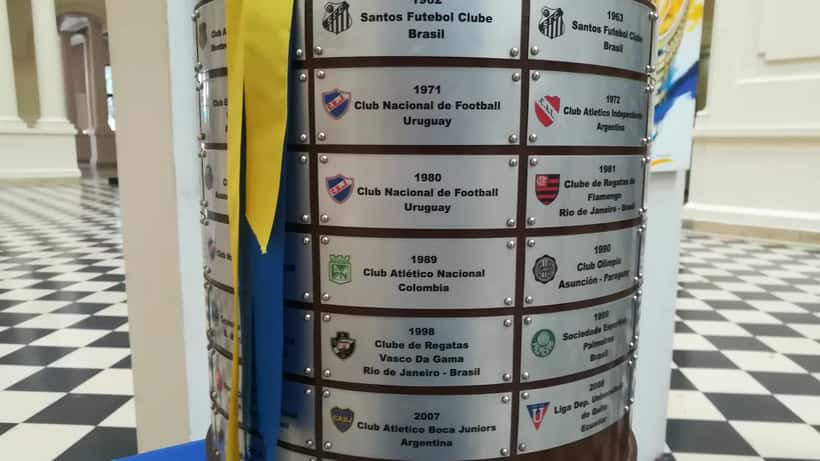
The Copa CONMEBOL Libertadores — now in its 67th edition, with the 2026 final scheduled for November 28 at the Estadio Centenario in Montevideo — operates under a detailed disciplinary framework administered by the CONMEBOL Disciplinary Commission. Under those regulations, clubs are responsible for crowd management and safety inside their stadiums. When security failures lead to match abandonment, the host club faces potential penalties including match replays behind closed doors, financial sanctions, and partial or full venue bans.
What the regulations do not do, in most cases, is automatically mandate refunds for fans who traveled to attend the abandoned match. That obligation — if it exists — falls primarily on the clubs, ticketing platforms, and travel providers under the consumer protection laws of the relevant jurisdiction.
5 Legal Rights Fans Should Know
1. The right to a ticket refund when an event does not take place as sold
In most countries with active consumer protection legislation, purchasing a ticket constitutes a contract. If the event described in that contract — a specific match between specific teams on a specific date — does not occur as promised, the ticket purchaser is generally entitled to a refund of the face value. This principle applies under Canadian consumer protection legislation and under the domestic law of most South American jurisdictions.
The challenge is enforcement. Fans who purchased through unofficial resellers, secondary markets, or informal arrangements have significantly weaker grounds than those who bought directly from the club or an authorized ticketing platform. Always keep purchase confirmations, receipts, and documentation of the original ticket contract.
2. The right to seek recovery of reasonable ancillary costs
When a match is cancelled or abandoned due to circumstances within the organizer's control — such as security failures by the host club — fans may have grounds to claim recovery of reasonable ancillary costs: flights, hotels, and ground transportation purchased specifically for the event.
This claim is harder to pursue than a simple ticket refund and typically requires demonstrating that the abandonment was caused by the organizer's negligence rather than circumstances beyond anyone's control (force majeure). A lawyer specializing in consumer or contract law can assess whether your specific situation meets that threshold.
3. The right to travel insurance coverage for event cancellation
Many Canadian travel insurance policies include event cancellation coverage as a standard or optional component. If you purchased travel insurance before your trip to see the match and the event was cancelled or abandoned, you may be entitled to claim reimbursement for non-recoverable travel costs.
Read the specific language of your policy carefully. Most policies distinguish between "event cancellation" caused by the organizer and "cancellation by the insured" — only the former typically triggers coverage. Policies also differ on whether abandoned events (partially completed matches) qualify versus events that never began.
Government of Canada travel advisories recommend reviewing your insurance coverage before any international trip, including coverage for event cancellation and emergency medical expenses.
4. The right to information and transparent communication from organizers
Consumer protection legislation in Canada and across the European Union imposes obligations on event organizers to communicate clearly and promptly when events are cancelled, suspended, or significantly altered. This includes providing timely information about refund eligibility, the claims process, and applicable deadlines.
If you received no communication from the organizing club or authorized ticketing platform within a reasonable period following the abandonment, documenting that lack of communication strengthens any subsequent legal claim. Keep records of all attempts to contact the organizer and note when responses were received (or were not).
5. The right to legal consultation when organizers refuse legitimate claims
If a club, ticketing platform, or travel provider refuses a refund request you believe is justified, you are not without options. In Canada, provincial consumer protection agencies can assist with formal complaints. Small claims courts provide an accessible pathway for claims below the relevant provincial thresholds — typically between $10,000 and $35,000 depending on the province.
For international matters — where the club is based in Colombia or Brazil and the fan is Canadian — the legal complexity increases substantially. A lawyer with experience in international contract law or consumer disputes can advise on whether pursuing a foreign entity is viable, which jurisdiction's law applies, and whether a credit card chargeback offers a faster resolution.
What to Do Immediately If Your Match Is Abandoned
If you are at an event that is suspended or abandoned:
- Document everything immediately: photographs of the stadium situation, time-stamped if possible
- Retain your ticket stub, wristband, or digital access confirmation
- Note any announcements made over the public address system, including any promises about refunds or rescheduling
- Contact the ticketing platform's customer service within 24 to 48 hours — most have internal claims processes that are faster than legal action
- File a credit card dispute if payment was made by card and the seller refuses refund within a reasonable time
The Broader Lesson for Canadian Fans Traveling to Major Events
The Copa Libertadores incident is not isolated. Major sporting events — whether football finals in South America, cycling championships in Europe, or rugby competitions in the southern hemisphere — occasionally face disruptions that leave fans out of pocket.
The most effective protection combines three elements: authorized ticketing platforms that have established refund policies, comprehensive travel insurance purchased before departure, and a basic understanding of your consumer rights in the destination country. For complex situations, a lawyer specializing in consumer or travel law provides the guidance needed to navigate refund disputes efficiently.
This article is for informational purposes only and does not constitute legal advice. For guidance specific to your situation, consult a licensed lawyer specializing in consumer or contract law.
