 Olivia Dubois
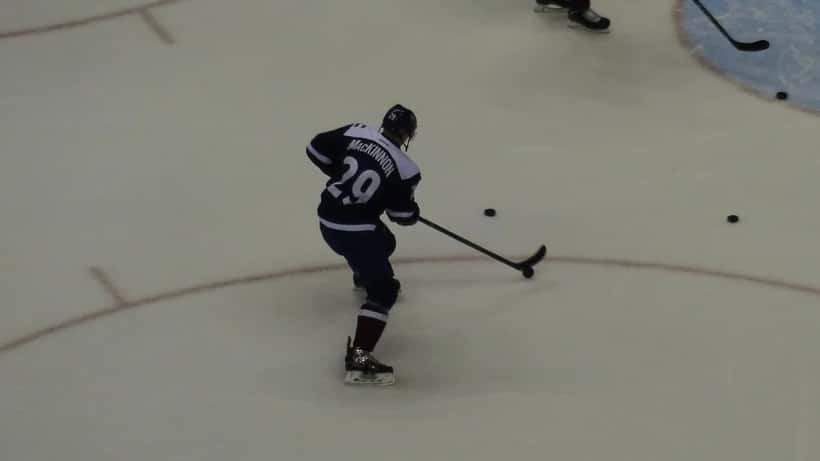
Colorado Avalanche superstar Nathan MacKinnon is battling an undisclosed injury heading into the 2026 NHL playoffs, which began on April 19, 2026 — raising questions about when Canada's most celebrated hockey player will return to full strength. MacKinnon missed Colorado's April 16 game against Seattle and is expected to be managed carefully by team medical staff as the Avalanche chase another Stanley Cup.
MacKinnon's 2025-2026 Season and the Injury That Clouds the Playoffs
It has been one of the greatest regular seasons in NHL history. MacKinnon finished the 2025-2026 regular season with 53 goals, 74 assists, and a plus-57 rating over 80 games, earning the Maurice "Rocket" Richard Trophy as the league's leading goal-scorer. Then came the complication: after playing through what sources described as a lingering physical issue during the 4 Nations Face-Off in February 2026, the Avalanche held MacKinnon out of their final regular-season game on April 16 to protect him ahead of the playoff run.
The team has been deliberately vague about the nature of the injury — a common strategy in professional sports to prevent opponents from targeting a player's vulnerable areas. Coach Jared Bednar described it simply as "dealing with something" while expressing confidence in MacKinnon's ability to beat timelines, a pattern that has characterized his previous injury recoveries.
MacKinnon is 30 years old. For elite athletes approaching their early thirties, the body's recovery dynamics shift — not dramatically, but meaningfully. Understanding why requires a look at how musculoskeletal injuries actually heal, and what sports medicine professionals say about the difference between rest-and-return and genuine rehabilitation.
What Sports Medicine Tells Us About High-Performance Recovery
At the professional level, athletic injury recovery involves a multi-disciplinary team: team physicians, physiotherapists, athletic trainers, sports dietitians, and mental performance coaches. The process is far more sophisticated than the "rest it and see" approach that most amateur athletes apply to their own injuries.
For upper-body injuries — a category that includes shoulder, wrist, and collarbone problems common in hockey — the recovery process typically follows three phases:
Phase 1: Acute inflammation control (days 1-7). The body's initial response to tissue damage involves swelling and pain, which serve protective functions. Sports medicine physicians use a combination of ice, compression, anti-inflammatory medication, and relative rest to manage this phase without suppressing healing entirely. Overuse of anti-inflammatories in this phase can actually slow recovery by interfering with the natural repair signalling.
Phase 2: Tissue repair and loading (weeks 1-6). Once acute inflammation subsides, progressive loading of the injured tissue begins. For elite athletes, this is tightly controlled using isometric exercises, then concentric loading, then sport-specific movement patterns. At NHL pace, this phase is often compressed significantly through daily physiotherapy and access to technologies like cryotherapy, compression devices, and laser therapy that are unavailable to most recreational players.
Phase 3: Return to sport (weeks 4 onwards). The final phase involves sport-specific rehabilitation — skating drills, puck-handling under fatigue, contact simulations — designed to rebuild both physical capacity and neural confidence. The psychological component is underappreciated: athletes who rush back without fully restoring movement confidence often re-injure because they protect the area unconsciously, altering their biomechanics.
According to the Canadian Academy of Sport and Exercise Medicine (CASEM), the most common mistake recreational hockey players make when dealing with similar injuries is progressing to phase 3 before phase 2 is complete — often because they feel fine during low-intensity activity but haven't restored the full range of load tolerance.
Why MacKinnon's Story Resonates with Canadians Beyond Hockey
MacKinnon is far from alone in managing sports injuries during peak performance windows. Millions of Canadians — weekend hockey players, recreational skiers, trail runners — deal with musculoskeletal injuries every year that are dismissed as minor but linger for months when not properly managed.
In Canada, musculoskeletal conditions are among the leading causes of disability. According to Statistics Canada's musculoskeletal disease data, these conditions affect millions of Canadians aged 15 and older and account for a significant share of chronic health limitations. The most common injuries among recreational athletes — sprains, strains, tendinopathies, and rotator cuff problems — respond dramatically better to early professional intervention than to self-managed rest.
Yet many Canadians delay seeing a physician or physiotherapist for sports injuries because they don't consider the injury "serious enough." They wait weeks or months while the issue becomes chronic, harder to treat, and increasingly disruptive to the activities they love.
When Should You See a Doctor About a Sports Injury?
Sports medicine physicians and physiotherapists consistently identify several signals that warrant professional assessment rather than wait-and-see:
Pain that persists beyond two weeks of relative rest. If a sprain or strain hasn't improved meaningfully after two weeks of activity modification, the injury may involve structural damage — ligament tears, tendon pathology, bone stress — that self-managed rest will not resolve.
Pain that changes your movement patterns. If you catch yourself unconsciously favouring one side, shortening your stride, or protecting a joint while doing everyday activities, this compensation is a warning sign. Altered movement patterns under pain protection lead to secondary injuries in the compensating joints and muscles.
Swelling that doesn't subside within 72 hours. Persistent swelling suggests ongoing tissue irritation or fluid accumulation that may benefit from medical management.
Any loss of range of motion. If you cannot move a joint through its full normal range without pain three to five days after injury, this warrants assessment.
Previous injury to the same area. Recurrent injuries compound in severity. A second ankle sprain is significantly more likely to cause lasting instability than the first. Early professional intervention reduces this risk.
How a Doctor Can Help You Get Back Faster — and More Safely
A sports medicine physician or general practitioner with sports medicine training can provide an accurate diagnosis — including referral for imaging if indicated — and coordinate a physiotherapy program calibrated to your sport and recovery goals. The difference between an accurate early diagnosis and months of self-managed guesswork can be the difference between a four-week recovery and a four-month one.
In Canada, physiotherapy visits are partially covered by most extended health benefit plans. Physicians can also provide Sport and Exercise Medicine referrals for complex presentations. ExpertZoom's network of health professionals includes sports-focused practitioners who offer consultations tailored to active Canadians.
MacKinnon's management team will get this right — they have the best sports medicine infrastructure in professional sport. The question is whether you will give yourself the same level of care when the puck drops for your Sunday beer league game and something doesn't feel right.
Disclaimer: This article provides general health information only and does not constitute medical advice. Consult a qualified healthcare professional for assessment and treatment of any injury.
