 Clara Thompson
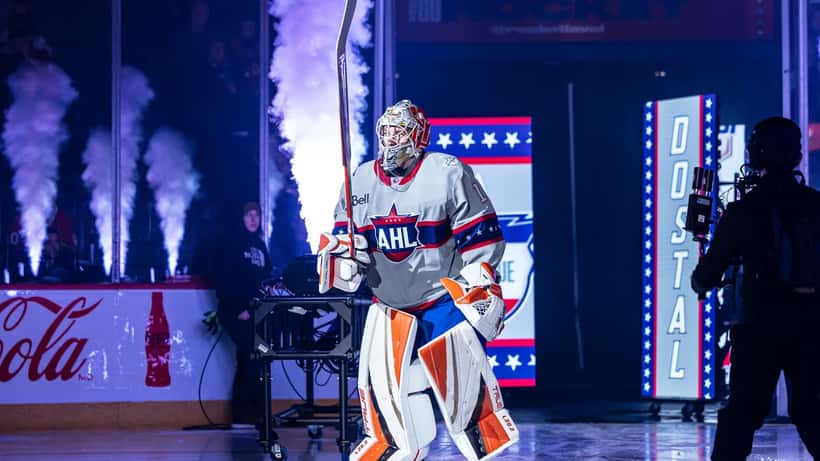
Lukas Dostal stepped onto the Rogers Place ice on April 21, 2026, becoming just the latest NHL goaltender to face the brutal physical and psychological demands of playoff hockey — and his debut against the Edmonton Oilers is shining a spotlight on the hidden health risks that goalies manage at every level of the sport.
A Historic Night for a Young Goalie
The 24-year-old Anaheim Ducks goaltender made his first career NHL playoff appearance on April 21, 2026, in Game 1 of the first-round series against the Edmonton Oilers. Despite facing an early 2-0 deficit — the Oilers scored through Jason Dickinson and Kasperi Kapanen in the opening period — Dostal made crucial stops to keep the Ducks competitive. The Edmonton team outshooted Anaheim 13-3 in the first frame, putting immense pressure on a 24-year-old playing the biggest game of his life so far.
Dostal finished the regular season with a 30-20-4 record in 56 games, including a remarkable 40-save performance against Colorado, and was nominated for the King Clancy Memorial Trophy. He represented Czechia at the 2026 Winter Olympics. Now, with playoffs arriving, so do the physical demands that push hockey goalies to their physical limits.
The Physical Demands That Few Fans See
Behind the mask, NHL goalies endure one of sport's most unique combinations of physical stress. Research published in the Journal of Sports Sciences profiles elite goalies as requiring attributes spanning multiple athletic disciplines: the flexibility of gymnasts, the explosive power of sprinters, and the cardiovascular endurance of middle-distance runners.
Average NHL goalies weigh approximately 85.6 kilograms and carry a body fat percentage of just 11.9%, while posting VO2max scores of around 49.9 ml/kg/min. Every save involves explosive lateral movements, butterfly drops that stress the hip adductors and flexors, and rapid transitions from full extension back to standing position — all while wearing 15 kilograms of protective equipment.
The most prevalent injuries among professional goalies involve the hips and groin. Hip impingement and labral tears result directly from the extreme butterfly positioning that modern goaltending demands. According to research published in Sports Health, hip range-of-motion demands on NHL goalies exceed those of nearly any other athletic position.
Concussions and Head Injuries Remain a Serious Concern
Even with modern masks — today's top models include the CCM Axis XF Pro and Bauer NME One, which use advanced composite shells and multi-density foam liners to disperse impact energy — head injuries remain a persistent risk. The Hockey Equipment Certification Council (HECC) and Canadian Standards Association (CSA) certify mask standards, but no equipment eliminates concussion risk entirely.
According to the University of Calgary's Sport Injury Prevention Research Centre (SIPRC), concussion tracking across Canada's sport community reveals that psychological stress is one of the strongest predictors of acute injury risk in athletes. In other words, the pressure of a playoff series like Dostal's debut doesn't just affect performance — it directly increases injury vulnerability.
Data from the Canadian Community Health Survey shows that sport-related concussions affect tens of thousands of Canadians annually across all levels of play, from NHL stars to weekend recreational leagues.
What This Means for Everyday Hockey Players
While fans watch Dostal track pucks at 170 kilometres per hour, thousands of Canadian kids, teens, and adult rec-league players face similar — if proportionally smaller — physical risks each week on rinks across the country.
The SIPRC has set a goal of achieving a 25% reduction in youth sport injuries by 2025, with ice hockey identified as one of the highest-risk activities for participants under 18. Hip injuries, concussions, and musculoskeletal damage from improper technique are common at all competitive levels.
Parents of young goalies often underestimate the physiological demands of the position. A rec-league goalie dropping to butterfly 60 times a practice is subjecting their hips, knees, and spine to stresses that accumulate over months and years. Proper warm-up, strength training, and recovery protocols — typically guided by sports medicine professionals — can dramatically reduce long-term injury risk.
When to See a Sports Health Specialist
Several warning signs indicate a player — whether a young goalie or a recreational adult — should consult a sports medicine doctor or physiotherapist:
Persistent groin or hip pain following games or practice is not something to "skate off." In goalies especially, these injuries often escalate from manageable impingement to labral tears requiring surgery if left unaddressed.
Post-impact headaches or dizziness must be taken seriously regardless of how minor the collision seemed. Current Canadian concussion protocols — aligned with Parachute Canada's guidelines — recommend mandatory removal from play and physician clearance before returning, no exceptions.
Chronic knee pain or stiffness in a butterfly goalie often indicates cartilage or tendon stress. A physiotherapist with experience in hockey biomechanics can assess technique and adjust positioning before structural damage occurs.
Shoulder and neck soreness that lingers more than 48 hours after play may indicate cervical strain from the weight of protective equipment. A sports medicine physician can rule out disc involvement and recommend targeted therapy.
According to Statistics Canada's health data, Canadians who seek professional medical advice early for sports injuries report significantly better recovery outcomes and lower rates of chronic pain than those who delay.
The Mental Health Dimension
The spotlight on Dostal's playoff debut also reveals a dimension of athletic health that gets less attention: mental health. Goalies, by the nature of their position, absorb blame for losses in a way no other position does. A single bad goal in overtime can define a series in the public eye.
Research from the SIPRC confirms that psychological stress is the strongest modifiable risk factor for acute athletic injury. For young goalies playing in high-stakes environments — whether an NHL playoff game or a provincial bantam championship — the mental load is significant.
Sports psychologists and mental performance consultants help athletes build resilience, manage pre-game anxiety, and maintain focus under pressure. These professionals are increasingly integrated into NHL team support staffs, but remain underutilized in amateur sport.
A Broader Lesson for Canadian Sport Culture
Lukas Dostal's playoff debut is a moment of celebration for Ducks fans and Czech hockey followers alike. But it's also a reminder that elite athleticism carries real physical costs — costs that require professional medical support to manage safely.
Whether your child plays goalie in a Saturday morning peewee league, or you yourself suit up for adult rec hockey, the physical demands are real. Accessing qualified sports medicine physicians, physiotherapists, and mental performance specialists through platforms like Expert Zoom can make the difference between a long, healthy playing career and a premature end caused by an unaddressed injury.
The puck drops. The butterfly drops. And so does the risk — unless you have the right professionals in your corner.
This article is for informational purposes only and does not constitute medical advice. Always consult a qualified healthcare professional regarding sports injuries or health concerns.
