 Stéphanie Fournier
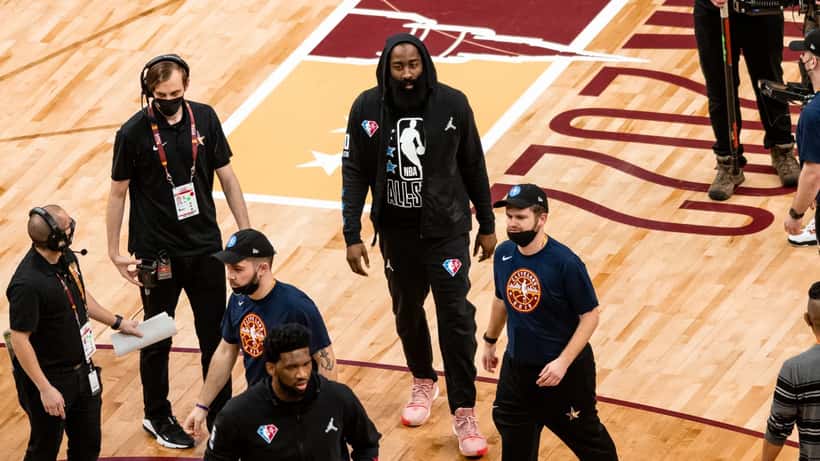
James Harden, the LA Clippers guard who has defined NBA contract negotiations for over a decade, is once again at the centre of basketball business conversations in 2026. Harden's career has been as much about landmark contracts as it has been about on-court brilliance — and the lessons from his negotiations apply far beyond the NBA. For Canadian athletes, agents, and even business professionals, understanding how sports contracts work has never been more relevant.
Why James Harden Keeps Making Headlines Off the Court
Few players in professional basketball have made contract negotiation an art form quite like James Harden. From his record-breaking deal in Oklahoma City to the Houston Rockets' historic extensions, the trade demands in Brooklyn, and the complex Sixers-Clippers saga, Harden has navigated — and sometimes forced — some of the most complicated transactions in NBA history.
In 2026, with the Clippers rebuilding and the NBA's salary cap structure continually evolving under the collective bargaining agreement (CBA), Harden's situation raises questions that resonate beyond professional sport: What protects athletes in contract disputes? When is a verbal agreement binding? And what happens when a player — or any worker — disputes the terms of their deal?
The Legal Landscape of Professional Sports Contracts
Sports contracts in Canada and internationally are governed by a complex web of employment law, collective bargaining agreements, and civil contract principles. Unlike a standard employment contract, a professional athlete's deal often includes:
- Guaranteed vs. non-guaranteed money: Whether a player gets paid if injured or cut is among the most contested points in negotiations.
- Opt-in and opt-out clauses: These give one party the right to extend or terminate the deal, creating uncertainty that requires careful legal drafting.
- Trade clauses: No-trade or limited no-trade clauses determine whether a player can veto a move — as Harden has done famously.
- Performance incentives: Bonuses tied to statistical benchmarks, awards, or team achievements.
Each of these elements requires legal expertise to draft, interpret, and enforce. According to the Government of Canada's employment standards guidelines, written contracts provide the clearest protection for both parties — a principle that applies equally in sport and business.
What Canadian Athletes and Sports Professionals Can Learn
While most Canadians aren't negotiating $100-million NBA contracts, the principles behind Harden's negotiations apply at every level — from CFL and NHL players to amateur athletes signing club agreements and youth coaches negotiating their first professional contracts.
Contract clarity is non-negotiable Vague language costs money. Terms like "reasonable expenses," "best efforts," or "mutual agreement" sound cooperative but create disputes when the relationship sours. A lawyer reviews contracts for ambiguity before you sign, not after.
Verbal agreements are legal — and legally dangerous A verbal promise from a coach, team owner, or sponsor may be enforceable in Canada, but proving it in court is extremely difficult. Always get material terms in writing, and have a lawyer review any document before signing.
Dispute resolution matters Professional sports leagues typically have arbitration mechanisms. Amateur contracts may not. If you sign an agreement that requires all disputes to go to binding arbitration in another jurisdiction, you've significantly limited your legal options without realizing it.
Image rights and endorsements are separate contracts Many athletes — particularly youth and amateur players — don't realize that their image, name, and likeness can be commercialized. Who owns your image? What can a club use your photo for? Are you entitled to compensation? These questions should be addressed before you sign.
Three Situations When You Need a Sports Lawyer
1. Signing your first professional contract Whether it's your first CFL deal or a contract with a European hockey club, this is not the moment to rely on a standard template. A sports lawyer can negotiate terms you didn't know existed and protect you from clauses that seem minor but become significant later.
2. When a trade or transfer is proposed If you're traded, loaned, or transferred between clubs, your existing contract may contain provisions that should protect you — or expose you to financial risk. Understand your rights before the move happens, not after.
3. When you believe a contract has been breached If a team fails to pay promised bonuses, violates agreed-upon conditions, or claims non-performance when you believe you've met your obligations, legal counsel is essential. Sports contract disputes can move quickly, and missing deadlines or filing windows can forfeit your rights entirely.
Beyond Athletes: Coaches, Agents, and Sports Businesses
Sports law in Canada isn't only for players. Coaches negotiating severance, agents disputing commission agreements, sports businesses handling sponsorship deals, and facilities managing liability all require specialized legal knowledge. An experienced lawyer familiar with the sports industry understands both the law and the context — a combination that general legal advice often lacks.
Finding the Right Sports Law Expert in Canada
Sports law is a niche field. Not every lawyer who handles employment contracts will understand a CBA, a trade clause, or the specific obligations of a minor league hockey deal. When looking for legal help in sports:
- Seek a lawyer with demonstrated experience in athlete representation or sports business contracts
- Ask specifically about their experience with the relevant sport or contract type
- Clarify whether they work with Canadian federations, leagues, or clubs
- Understand their fee structure upfront — some sports lawyers work on a percentage basis
On Expert Zoom, you can connect directly with legal experts who understand sports contract law in Canada. Whether you're an aspiring professional, a coach facing a contract dispute, or a parent navigating your child's first club agreement, getting the right legal advice early can save you significant time, money, and frustration.
The Harden Lesson: Know Your Rights Before You Need Them
James Harden's ability to leverage his contracts — and his teams — comes from deep knowledge of his rights, backed by experienced representation. Most athletes and sports professionals won't need that level of strategic negotiation. But everyone who signs a contract deserves to understand what they're agreeing to.
In 2026, with professional sports evolving faster than ever and the line between amateur and professional increasingly blurred, having access to qualified legal counsel is no longer a luxury reserved for elite players. It's a professional responsibility.
Disclaimer: This article is for informational purposes only and does not constitute legal advice. For guidance specific to your situation, consult a qualified lawyer.
