 Clara Thompson
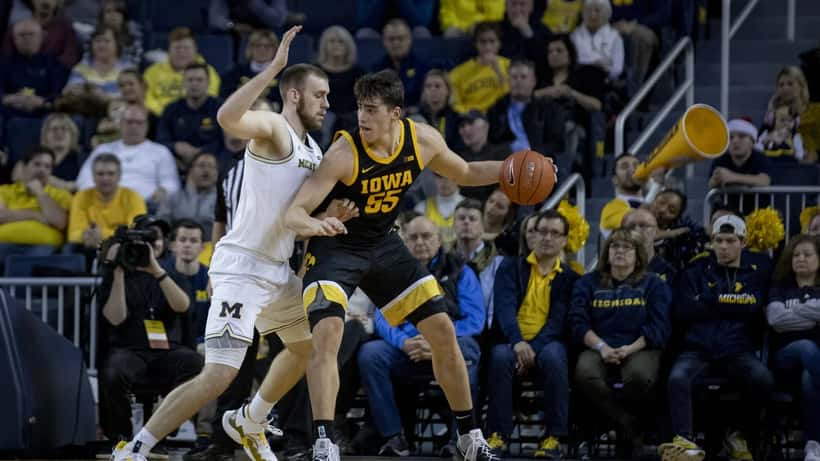
Boston Celtics centre Luka Garza is trending across Canada in April 2026 — not just because he dropped 14 points, 6 rebounds, and 2 blocks in a dominant 144-118 win against the New Orleans Pelicans on April 11, but because his backstory has become one of the most talked-about physical transformations in the NBA. Garza reduced his body fat from 14% to 6% in a single offseason, completely restructuring his game and his physique to earn a $5.5 million contract with the Celtics.
What Garza Actually Did — and Why the Numbers Matter
The transformation wasn't just about looking leaner. According to reporting by Yahoo Sports, Garza's father Frank described a systematic overhaul: training methodology, nutrition structure, and recovery protocols all rebuilt from the ground up. The result was an athlete with elite screening ability, reliable perimeter shooting, and the kind of durability that allows him to play 16+ high-intensity minutes off the bench.
The 14% to 6% body fat range is significant from a sports medicine perspective. For an NBA centre — a position historically dominated by larger body types — dropping to 6% body fat represents an aggressive recomposition that requires expert management to execute safely.
The Sports Medicine Reality: Who Should Attempt Body Recomposition?
Here is where Garza's story becomes relevant beyond basketball fans. Across Canada in 2026, a growing number of recreational athletes and fitness-motivated adults are attempting similar body recomposition protocols, often inspired by social media transformations and athlete stories like Garza's. The results are mixed, and the risks are real.
Body recomposition — the simultaneous reduction of fat mass and maintenance or increase of lean muscle mass — is physiologically demanding. According to the Canadian Society for Exercise Physiology (CSEP), aggressive body recomposition protocols carry risks including:
- Relative Energy Deficiency in Sport (RED-S), which impairs bone density, immune function, and hormonal balance
- Rhabdomyolysis (muscle breakdown) in cases of rapid caloric restriction combined with high training loads
- Cardiovascular stress from rapid changes in body composition, particularly in individuals over 35
These aren't theoretical risks. A sports medicine physician or certified kinesiologist can assess your individual baseline — including blood markers, VO2 max, resting metabolic rate, and injury history — before recommending a specific approach.
What Professional Support Actually Looks Like
Garza's transformation wasn't self-directed. He worked with professional trainers, nutritionists, and sports medicine staff throughout the process — the kind of multi-disciplinary support that NBA rosters provide automatically.
For Canadians pursuing their own recomposition goals, that same level of support is available — but it requires intentional access. A sports medicine doctor can:
- Screen for underlying conditions (thyroid dysfunction, insulin resistance) that affect body composition
- Monitor for RED-S and rhabdomyolysis markers during aggressive phases
- Provide injury risk assessment specific to your training load and body type
- Coordinate with a registered dietitian and certified trainer for a cohesive protocol
The CSEP's physical activity guidelines for adults recommend that significant changes in training load and nutrition structure be overseen by a qualified professional, particularly for individuals over 30 or those with any prior metabolic or musculoskeletal history. See the CSEP Physical Activity Guidelines for evidence-based benchmarks.
The Garza Lesson for Recreational Athletes
What makes Garza's story instructive isn't the outcome — it's the structure behind it. A minimum-contract player motivated by a career crossroads, working systematically under professional supervision, achieving a result that changed his professional trajectory.
The lesson isn't "drop to 6% body fat." For most recreational athletes, that figure would be either unhealthy or undesirable. The lesson is that deliberate, supervised, evidence-based physical transformation is achievable at any fitness level — and that the risk of going unsupported (nutritional deficiency, overtraining, injury) typically costs more time and health than the investment in professional guidance.
Canadian fans watching Garza dominate opponents from the bench are seeing the finished product. The more interesting story is the offseason — the year of disciplined, supported work that made April possible.
If you're considering a body recomposition protocol inspired by an athlete transformation story, a consultation with a sports medicine physician or certified kinesiologist is the first step worth taking. The goal isn't to replicate Garza — it's to build a protocol that works for your specific biology, timeline, and goals.
Disclaimer: This article is for general informational purposes only and does not constitute medical or health advice. Consult a qualified healthcare professional before beginning any body recomposition or significant physical training program.
Why Canadian Athletes Are Paying Attention in 2026
Canada's recreational sports culture is booming. Hockey leagues, running clubs, and functional fitness communities have seen significant membership growth in 2026 as more Canadians prioritize active lifestyles amid rising mental health awareness. With that growth comes a corresponding surge in ambition — and in exposure to transformation stories like Garza's.
The challenge is context. Social media compresses a year of supervised, systematic work into a before-and-after photo. Viewers absorb the outcome without the process: the blood panels, the macronutrient periodization, the monitoring for signs of overreaching. When they replicate the outcome without the process, the results can include fatigue, immune suppression, and injuries that set training back by months.
Garza's success story is a useful reminder that transformation at the elite level relies on team-based, evidence-driven support — the kind of support that a sports medicine consultation in Canada can provide. Whether you're a 28-year-old recreational hockey player or a 45-year-old runner training for your first half marathon, the questions are the same: What does your body actually need? What can it safely handle? What markers should be tracked along the way?
Those questions have answers. Getting them from a qualified professional is the difference between a transformation that lasts and one that stalls.
