 Elara Deschamps
When Oklahoma City Thunder centre Branden Carlson recorded 23 points and 12 rebounds in a 127-107 loss to Denver on April 11, 2026, he wasn't just playing basketball — he was covering for three injured teammates simultaneously. Chet Holmgren (back), Isaiah Hartenstein (calf), and Jaylin Williams (Achilles) were all sidelined, thrusting Carlson into the spotlight. For Canadian sports fans watching the NBA playoffs push, this cascade of injuries raises a question that hits closer to home: when does a sports injury become a medical emergency?
The NBA's Injury Crisis Is Mirroring What's Happening in Canadian Rec Leagues
Professional athletes absorb punishment that most of us never will. Yet the injury types hitting the Thunder's roster — back strains, calf tears, Achilles ruptures — are exactly the same conditions that sideline weekend hockey players in Winnipeg, recreational soccer leagues in Calgary, and aging runners in Vancouver every spring.
According to the Government of Canada's health data, musculoskeletal injuries are among the leading causes of disability and work absenteeism in the country. Spring is prime time for these injuries: warmer weather brings Canadians back outdoors after months of reduced activity, and the body is simply not ready for the sudden increase in load.
Branden Carlson, at just 26 years old, stepped up when his teammates fell. But in real life — whether you're a 40-year-old recreational hockey player or a weekend cyclist — stepping up on an already-injured body is exactly what causes minor injuries to become catastrophic ones.
Understanding the Three Injury Types Grounding the Thunder
Back injuries (Chet Holmgren's condition) are notoriously tricky. They range from muscle strain that resolves in days to disc herniations requiring surgery. The red flags that warrant immediate medical attention include pain radiating down a leg, numbness or tingling in the feet, and loss of bladder or bowel control. A sports medicine specialist or physiotherapist should assess any back injury that doesn't improve significantly within 72 hours.
Calf tears (Isaiah Hartenstein's condition) often feel like being struck from behind — a sudden, sharp pain mid-activity. Many Canadians walk off a calf strain thinking it will resolve on its own, only to return to activity too soon and convert a grade 1 tear into a grade 2 or 3 rupture. An ultrasound or MRI can determine the severity; a sports medicine physician can build a return-to-play plan.
Achilles tendon injuries (Jaylin Williams' condition) are some of the most feared in sport. A full rupture — that distinctive "pop" followed by an inability to push off the foot — typically requires surgical repair and six to nine months of rehabilitation. Left untreated or misdiagnosed as a sprain, the damage only worsens. Any heel or lower-leg pain that feels unusual should be assessed before the next game or run.
When "Playing Through Pain" Becomes Dangerous
There's a cultural tendency in Canada — especially in hockey-rooted sporting culture — to play through discomfort. This stoicism has its place, but it also leads thousands of Canadians every year to convert treatable injuries into chronic conditions.
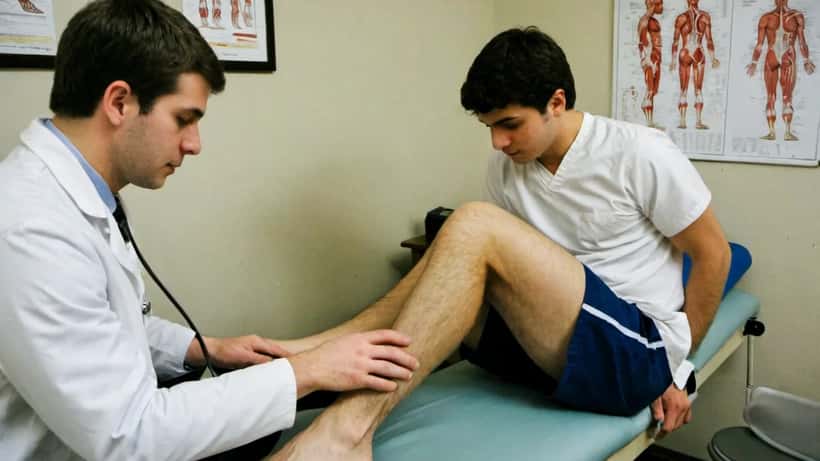
A sports medicine specialist can help draw that critical line. Unlike a general practitioner, a sports medicine physician is specifically trained to assess performance-related injuries, recommend imaging, and create staged return-to-activity protocols. They can also work alongside physiotherapists and athletic trainers to ensure that, unlike the Thunder this season, your roster doesn't have three players out at once because the first injury wasn't properly addressed.
If you play recreational sports — hockey, soccer, running, tennis, cycling — and you've been managing pain with ibuprofen and hope, consider consulting an expert. The consultation itself may prevent a minor issue from becoming a season-ending (or career-ending) one.
The Cost of Delayed Treatment in Canada
Canada's public health system covers many musculoskeletal assessments, but wait times for specialist referrals can run weeks to months. Private sports medicine clinics offer faster access, and many are now covered partially by extended health benefits. For a working Canadian who depends on physical capacity — whether in a warehouse, on a construction site, or simply chasing their kids around a backyard — a prolonged injury is not just a sports inconvenience. It's an economic one.
The math is straightforward: a single physiotherapy consultation early in an injury costs far less than months of chronic pain management, imaging, surgery, and rehabilitation later. The NBA teams that invest in elite sports medicine staff don't do it for luxury — they do it because the economics of prevention beat the economics of treatment.
What Branden Carlson's Moment Teaches Us
Branden Carlson's career-best moment — stepping up when everyone around him was down — is a great sports story. But the more instructive narrative for Canadian sports fans is the one happening off the court: three high-level athletes, with access to the best medical staff in the world, still sustained injuries that pulled them from the most important stretch of the season.
Average Canadians don't have team physicians, athletic trainers, and on-call physiotherapists. They have their family doctor, their extended health plan, and their own judgment. That makes the decision to consult a sports medicine specialist even more important — not less.
If you've been dealing with a nagging knee, a persistent shoulder ache, or a calf that never quite healed from last summer, the message from this week's NBA injury report is clear: don't wait until the playoffs. See a sports medicine expert before the minor injury becomes the one that benches you entirely.
A sports medicine professional at Expert Zoom can help you assess your injury, understand your risk, and build a safe path back to the activities you love — before the season slips away.
This article is for informational purposes only and does not constitute medical advice. Always consult a qualified healthcare professional for diagnosis and treatment of injuries.
