 Elara Deschamps
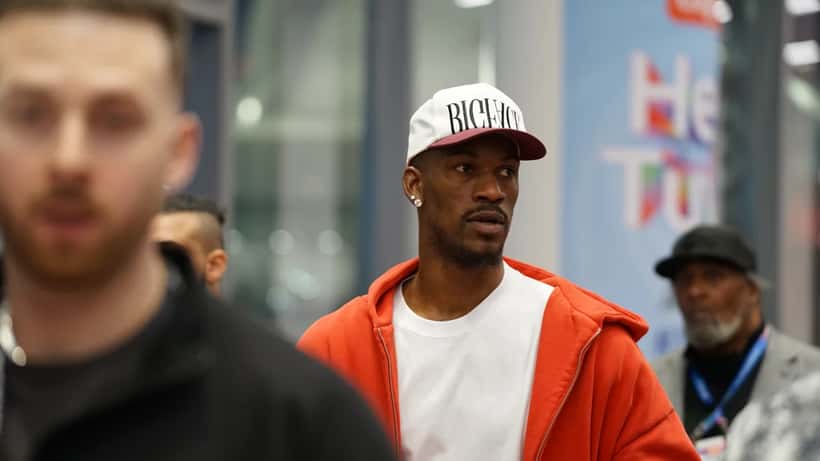
Jimmy Butler, the Golden State Warriors star, tore his right ACL on January 19, 2026, ending his season and sparking renewed attention to one of professional sport's most devastating knee injuries. As Butler was seen off crutches in mid-April 2026 — a small but significant milestone — Canadians who have suffered similar injuries are asking the same question: how do you know when to see a specialist, and what does real recovery look like?
What Butler's Injury Tells Us About ACL Tears
Butler's ACL rupture followed a typical pattern: sudden deceleration, a pivot, and immediate collapse. According to the Cleveland Clinic, ACL tears are among the most common serious sports injuries, affecting roughly 200,000 Canadians and Americans combined each year. The anterior cruciate ligament is one of the key stabilizing ligaments in the knee, and a complete rupture almost always requires surgical reconstruction.
Butler underwent surgery shortly after the injury, and the Warriors' medical team placed his return timeline at the mid-point of the 2026-27 season — roughly 9 to 12 months post-surgery. That timeline aligns precisely with what orthopedic surgeons recommend: research published in the National Institutes of Health journal found that athletes who returned to full competition before nine months had a seven times greater risk of re-rupturing the same ligament.
The fact that Butler is already off crutches by mid-April 2026 — less than three months post-surgery — is medically encouraging. The first two weeks after ACL reconstruction focus on reducing swelling and regaining knee extension; by six to eight weeks, most patients regain full range of motion. Butler appears ahead of schedule, but elite sports medicine teams caution that perceived recovery speed can be misleading.
Recognizing an ACL Injury: When Should You Seek Help?
Not every knee injury is a torn ACL — but many Canadians delay seeking care when symptoms are ambiguous. Sports medicine specialists identify several clear warning signs that warrant immediate evaluation:
- A "pop" sound at the time of injury, often described as audible by others nearby
- Rapid, significant swelling developing within the first hour
- Instability or a sensation of the knee "giving way" during walking or light activity
- Inability to bear weight on the affected leg
Even without a visible dramatic injury, chronic knee instability during sports — the feeling that your knee buckles under lateral pressure — is a strong indication that ligament damage may have occurred. In Canada, access to a sports medicine physician or orthopedic surgeon is available through the public system, though wait times vary significantly by province. Many Canadians choose to see a private sports medicine specialist for faster diagnosis, which typically includes a physical exam and MRI.
The 4 Phases of ACL Recovery Every Athlete Should Know
Butler's recovery journey illustrates the four standard phases that medical teams use:
Phase 1 (Weeks 0–2): Inflammation control. The focus is on reducing swelling, preventing muscle atrophy, and beginning gentle range-of-motion exercises. Crutches are standard at this stage. Pain management, ice, and elevation are the primary tools.
Phase 2 (Weeks 2–6): Mobility and early strength. Patients work toward full knee extension, normal gait without crutches, and basic strengthening. Butler exiting crutches by April — roughly 11 weeks post-surgery — places him squarely within this window.
Phase 3 (Months 2–5): Progressive strength and neuromuscular training. Running typically begins around three to five months, but only after strength testing confirms the quadriceps and hamstrings are sufficiently rebuilt. Athletes in this phase focus on proprioception — re-teaching the nervous system to stabilize the joint.
Phase 4 (Months 5–12): Return to sport. This is the longest and most psychologically demanding phase. Objective testing — including hop tests and force plate measurements — determines readiness, not just the passage of time. Athletes who "feel ready" before nine months, as studies confirm, face a dramatically elevated re-injury risk.
Canadian Context: Who Should You Consult?
For recreational athletes, the pathway is similar to Butler's, scaled to real-world access. A family physician can order an MRI and provide a referral to an orthopedic surgeon or sports medicine specialist. However, given that wait times for MRI in some Canadian provinces can extend to six weeks or more, many sports medicine clinics offer private diagnostic services.
According to Health Canada's guidance on musculoskeletal injuries, the most important factor in ACL recovery outcomes — beyond surgery itself — is consistent, supervised physiotherapy. Research consistently shows that patients who work with a registered physiotherapist for the full recovery period return to sport faster and with lower re-injury rates than those who self-manage.
For youth athletes specifically — a concern for minor hockey leagues, soccer clubs, and track and field across Canada — orthopedic specialists often recommend delaying ACL surgery in skeletally immature patients. Growth plates must be accounted for in the surgical approach, making a consultation with a pediatric orthopedic surgeon or sports medicine specialist essential rather than optional.
The Psychological Side of Knee Injuries
Butler's cryptic social media posts during his rehabilitation have drawn attention to an often-overlooked aspect of ACL recovery: mental health. Studies show that up to 40% of athletes experience clinically significant anxiety or depression during ACL rehabilitation. Fear of re-injury is the leading cause of athletes failing to return to pre-injury performance levels — even when the physical recovery is complete.
Sport psychologists and mental performance consultants, sometimes called "mental coaches," are increasingly integrated into elite recovery programs. For Canadian athletes without access to a team sport psychologist, registered psychologists and mental health practitioners who specialize in sport-related injury anxiety are available through provincial health directories and the Canadian Sport Psychology Association.
A YMYL Note
This article provides general health and sports medicine information based on publicly reported data. It does not constitute medical advice. If you have suffered a knee injury or are experiencing joint instability, consult a licensed sports medicine physician or orthopedic surgeon for a personalized evaluation.
Finding the Right Specialist
Whether you are a weekend recreational player or a competitive athlete, an ACL injury is not something to manage alone. Butler's experience — carefully monitored by one of the NBA's elite medical teams, with no rushed return timeline — offers a clear model: trust the process, follow evidence-based timelines, and consult qualified specialists at every stage.
ExpertZoom connects Canadians with licensed sports medicine physicians, orthopedic specialists, and physiotherapists who can provide guidance tailored to your specific injury, sport, and recovery goals.
