 Clara Thompson
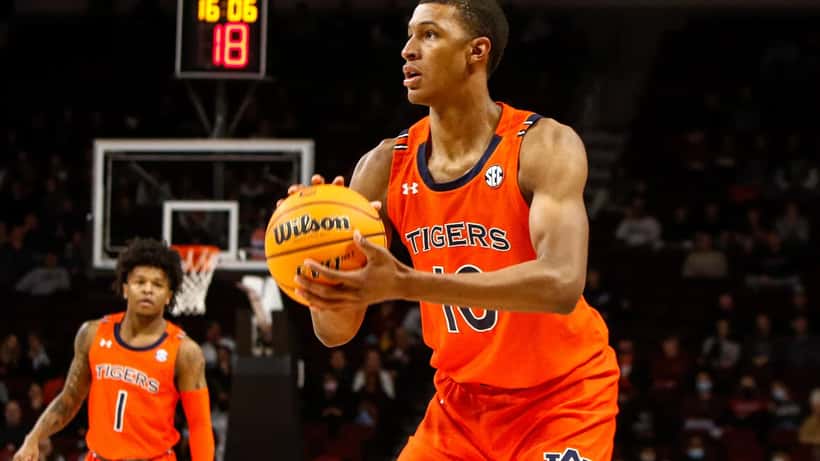
Houston Rockets forward Jabari Smith Jr. is one of the most talked-about names in the 2026 NBA playoffs as the Rockets continue their impressive run through the Western Conference bracket. At just 22 years old, Smith is a prime example of what modern elite sport demands of young athletes' bodies — and his story raises important questions that Canadian amateur and professional athletes should be asking about their own physical health.
Jabari Smith Jr. and the Rockets' Playoff Push
The Houston Rockets entered the 2026 NBA playoffs as one of the most dynamic young teams in the league, with Jabari Smith Jr. anchoring their defense and contributing significantly on offense. The team's run has captured the attention of Canadian basketball fans, particularly in Toronto and Vancouver where NBA viewership has surged following the Raptors' sustained playoff runs.
Smith, a former number-three overall draft pick, has consistently faced scrutiny about his durability and development — a discussion that mirrors what many young Canadian athletes go through at every level of competitive sport. According to the Canadian Academy of Sport and Exercise Medicine (CASEM), musculoskeletal injuries account for the majority of sport-related medical consultations among athletes aged 18-25.
The Young Athlete's Body Under NBA Demands
Playing at the highest professional level means subjecting your body to extreme physical stress. NBA players typically play 70-82 regular season games plus playoffs — often on back-to-back nights, travelling across time zones. For Jabari Smith Jr. and his teammates, the cumulative physical toll is significant:
Bone stress and growth plate considerations Young adults aged 20-25 are still in the final stages of skeletal maturation. Repeated high-impact activities — cutting, jumping, landing — create cumulative stress on joints and bones. Sports medicine physicians increasingly monitor NBA players for stress reactions before they become full stress fractures.
Soft tissue management Tendons and ligaments take longer to adapt to training loads than muscles do. Young athletes who rapidly increase their workload (as happens in an intense playoff run) are at higher risk for conditions like patellar tendinopathy, Achilles tendinopathy, and rotator cuff irritation.
Sleep and recovery deficits The NBA schedule is notoriously demanding. Research published in the British Journal of Sports Medicine shows that sleep deprivation directly impacts reaction time, injury risk, and cognitive performance — all critical for basketball players.
What This Means for Canadian Athletes
You don't need to be playing in the NBA to face similar health challenges. Canadian recreational and competitive athletes — hockey players, basketball players, track athletes, soccer players — often push through pain signals without professional guidance, leading to injuries that could have been prevented or managed earlier.
Here are five situations where a sports medicine consultation is warranted:
- Pain that persists more than 72 hours after activity — especially joint or bone pain
- Asymmetry in movement — one side compensating for the other often indicates an underlying issue
- Repeated injuries to the same area — a pattern of re-injury suggests incomplete healing or biomechanical factors
- Performance plateau despite training — unexplained performance decline can signal overtraining syndrome
- Night pain or pain at rest — this can indicate stress fractures or more serious pathology requiring imaging
The Specialist Difference: Why a Sports Medicine Doctor Matters
General practitioners are excellent at managing most health issues, but sports medicine physicians have specialized training in the diagnosis and treatment of exercise-related conditions. They understand:
- Return-to-play protocols that minimize re-injury risk
- Load management strategies for competitive seasons
- The relationship between nutrition, sleep, and injury risk
- Imaging interpretation specific to athletic populations
- Collaboration with physiotherapists, athletic trainers, and coaches
For Canadian athletes, particularly those playing at junior, collegiate, or senior amateur levels, access to a sports medicine specialist can be the difference between a career-limiting injury and a smooth recovery.
The Broader Picture: Youth Sport Safety in Canada
Canada has seen significant growth in youth sport participation, with hockey, soccer, and basketball leading the way. With that growth comes increased injury rates. The Public Health Agency of Canada estimates that sport and recreation injuries result in more than 800,000 emergency department visits annually.
The good news is that the sports medicine field in Canada is robust. Board-certified sports medicine physicians practice in every major city, and telehealth options have expanded access to consultations even in rural or remote areas.
On ExpertZoom, you can find and book a health or sports medicine expert in Canada who can assess your specific situation, whether you're a weekend warrior or a competitive athlete. Getting proper guidance early — before a minor issue becomes a season-ending one — is always the smarter play.
Watching Jabari Smith Jr. compete at the highest level in 2026 is inspiring. Protecting your own body so you can keep playing the sport you love for years to come is equally important.
Disclaimer: This article is for informational purposes only. Always consult a licensed healthcare professional for personalized medical advice.
