 Emilie Wang
On June 21, 2026, Canada marks the 30th anniversary of National Indigenous Peoples Day — a federal celebration honouring the cultural heritage, traditions, and contributions of First Nations, Métis, and Inuit peoples. Yet beyond the drumming and powwows, this day is also an opportunity to understand something critically important: the legal rights that protect Indigenous peoples across Canada, and when to consult a legal expert if those rights are violated.
A Day With Deep Roots — and Real Legal Stakes
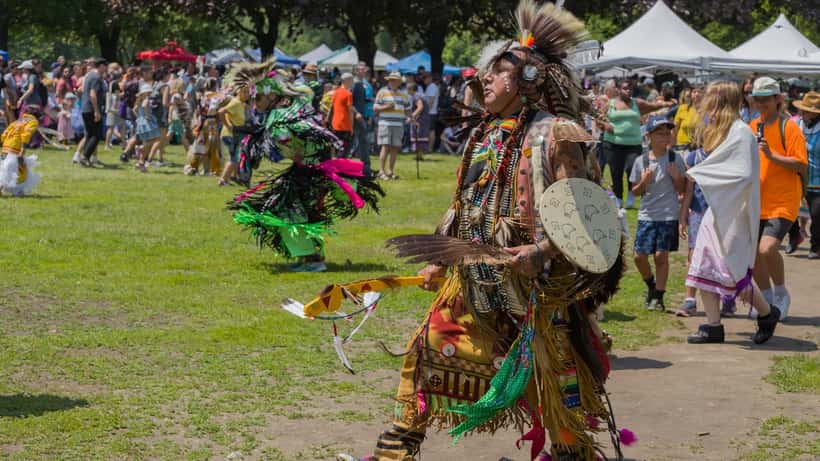
National Indigenous Peoples Day was established on June 21, 1996, by Governor General Roméo LeBlanc. The summer solstice was chosen for its spiritual significance across many Indigenous traditions. This year, celebrations are taking place coast to coast — cultural exhibitions in Winnipeg, community feasts in Nunavut, and powwows in Victoria — drawing tens of thousands of Canadians eager to learn and acknowledge shared history.
But many Canadians, Indigenous and non-Indigenous alike, remain unfamiliar with the legal framework that underpins Indigenous rights in 2026. Understanding these rights matters — not just on this day, but every day of the year.
1. Section 35 Rights: Constitutional Protection Since 1982
Section 35 of the Constitution Act, 1982 is the cornerstone of Indigenous rights law in Canada. It recognizes and affirms "existing Aboriginal and treaty rights," meaning rights that were not extinguished before 1982 remain legally protected today.
These rights include practicing traditional customs, engaging in ceremonies, maintaining language and culture, and exercising subsistence rights such as hunting and fishing on traditional lands. The Supreme Court of Canada has interpreted Section 35 broadly, protecting activities integral to a community's pre-contact way of life.
When to consult a lawyer: If government restrictions are placed on traditional activities — hunting seasons, land access, cultural practices — a legal expert specializing in Indigenous law can assess whether Section 35 protections apply and advise on next steps.
2. Treaty Rights: Enforceable Legal Agreements, Not Symbolic Gestures
Canada has more than 70 numbered treaties plus modern comprehensive land claims agreements covering large portions of the country. These are enforceable legal documents — not historical symbols — that guarantee specific entitlements including land access, hunting and fishing rights, and resource-sharing provisions.
The Supreme Court of Canada has consistently held that treaty promises must be interpreted broadly, in favour of the Indigenous signatories, and that the Crown has a duty to consult and accommodate whenever a decision may affect treaty rights.
When to consult a lawyer: If a resource development project, pipeline, or government infrastructure plan threatens rights promised under a treaty, Indigenous community members have legal grounds to challenge it. A lawyer experienced in treaty law can evaluate options ranging from negotiation to injunctive relief.
3. UNDRIP Rights: Canada's 2021 Commitment Now Taking Effect
In 2021, Canada enacted Bill C-15: An Act respecting the United Nations Declaration on the Rights of Indigenous Peoples — making it one of the only countries in the world to embed UNDRIP into domestic law. This 46-article declaration includes rights to self-determination, free prior and informed consent (FPIC) before development on Indigenous lands, and protection of cultural heritage and intellectual property.
As of 2026, federal departments are actively reviewing legislation for UNDRIP alignment, and courts have begun accepting UNDRIP provisions as interpretive tools in Aboriginal rights cases. The practical impact on individual and community rights is growing with each passing month.
When to consult a lawyer: If you believe a federal decision was made without proper consultation — particularly around resource extraction, environmental assessments, or social programs affecting your community — a legal expert can assess whether UNDRIP obligations were respected.
4. The Right to Self-Government and Jurisdiction Over Child Welfare
Indigenous self-government encompasses the right of communities to govern themselves in accordance with their own laws, cultures, and traditions. This includes authority over education, child welfare, land management, and cultural practices within their territories.
A landmark 2019 federal law — now fully in force — affirmed Indigenous jurisdiction over child and family services, directly responding to the Truth and Reconciliation Commission's Call to Action No. 4. Dozens of First Nations now exercise this jurisdiction directly, replacing or co-existing with provincial child welfare systems. Disputes over jurisdictional boundaries remain common.
When to consult a lawyer: If your community is developing its own governance laws, or if you are a parent navigating a conflict between Indigenous child welfare systems and provincial authorities, legal counsel specializing in Indigenous governance is essential.
5. Anti-Discrimination Rights in Employment and Housing
Indigenous peoples in Canada are protected from discrimination under the Canadian Human Rights Act and provincial human rights codes in employment, housing, and service provision. The Canadian Human Rights Commission (CHRC) handles federal-sector complaints, while provincial bodies handle regional matters.
According to Crown-Indigenous Relations and Northern Affairs Canada (CIRNAC), employment discrimination remains a persistent challenge: Indigenous Canadians continue to face higher unemployment rates and wage gaps across sectors. Workplace harassment, discriminatory hiring decisions, and denial of reasonable accommodations are actionable violations of federal and provincial law. This connects to broader workplace rights that apply to workers of all backgrounds — as explored in our coverage of Baisakhi 2026 and Canadian employment rights and workplace discrimination protections.
When to consult a lawyer: If you have experienced workplace discrimination, been denied housing, or faced differential treatment accessing services, a human rights lawyer can help you file a formal complaint and pursue remedies including reinstatement, financial compensation, and policy changes.
What to Do If Your Rights Have Been Violated
Navigating Indigenous rights law requires specialized expertise. Whether the issue involves treaty violations, UNDRIP non-compliance, self-government disputes, or workplace discrimination, consulting a legal professional early — before pursuing formal channels — significantly improves outcomes.
According to Crown-Indigenous Relations and Northern Affairs Canada, federal departments are under increasing obligations to respect and implement Indigenous rights as part of Canada's reconciliation commitments. These obligations create real legal leverage for communities and individuals whose rights have been overlooked.
A legal expert on Expert Zoom can help you understand which rights apply to your situation, evaluate whether those rights have been violated, and recommend the most appropriate course of action — whether through negotiation, human rights proceedings, or litigation.
Legal disclaimer: This article is for general informational purposes only and does not constitute legal advice. Indigenous rights law is complex and fact-specific. Consult a qualified lawyer for guidance on your specific situation.
This National Indigenous Peoples Day, knowing your rights is itself a form of recognition — and a step toward the reconciliation Canada has committed to pursuing. For First Nations, Métis, and Inuit Canadians navigating this evolving legal landscape, expert advice is only a consultation away.
