 Adèle Chartrand
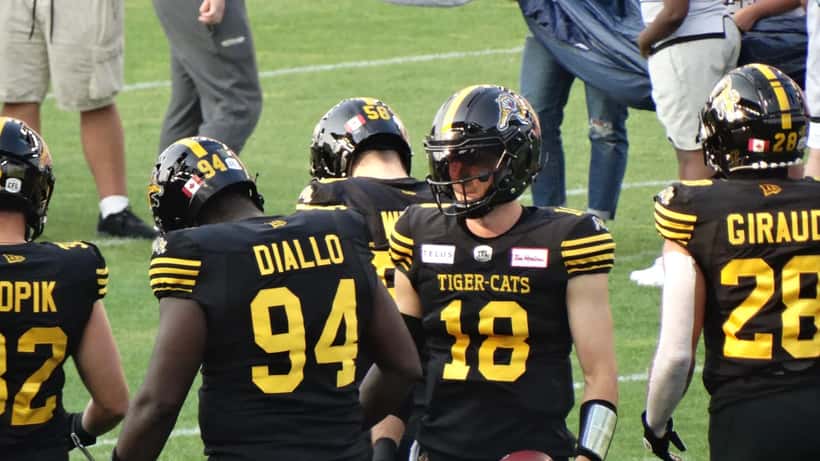
Training camp has officially opened for the Hamilton Tiger-Cats, marking the start of one of the most physically demanding periods in professional Canadian football. With the 2026 CFL season set to begin on June 4 — when the Ticats face the Montreal Alouettes, the same team whose last-second field goal by José Maltos Díaz ended Hamilton's 11-7 season in the Eastern Final — every player in the organization is operating at maximum physical intensity right now.
The Hamilton Tiger-Cats led the CFL in passing touchdowns last season with 36, powered by quarterback Bo Levi Mitchell's prolific arm. But the story of any CFL season often begins with who survives training camp healthy. Hamilton has already made its first round of cuts, narrowing the roster as the coaching staff identifies players capable of sustaining the physical demands of an 18-week regular season. For those who remain, the weeks ahead are a gauntlet.
What CFL Training Camp Actually Does to the Human Body
Professional football training camps are not extended practice sessions — they are systematic stress tests applied to bodies that have spent months in reduced-contact environments. Even players who maintained rigorous conditioning through the offseason face abrupt increases in collision volume, load, and intensity that differ meaningfully from individual workouts.
The four most common injury categories in CFL training camps:
Heat-related illness: Hamilton's late spring weather can shift from mild to hot and humid quickly. Heat exhaustion — and in serious cases, heat stroke — affects players pushing themselves at high intensity before their bodies have acclimatized to outdoor exertion in warm conditions. Symptoms include nausea, cessation of sweating during intense activity, rapid heartbeat, and confusion. These are medical emergencies requiring immediate evaluation, not symptoms to push through.
Overuse injuries: The shift from individual offseason training to full team practice creates peak loading on tendons and joints that may not be conditioned for that volume of repetitive stress. Achilles tendinopathy, patellar tendinopathy, and stress reactions in the lower limbs are most common in the first two weeks of camp.
Contact injuries: Full-contact practice sessions during camp are intense. Shoulder separations, rotator cuff strains, MCL sprains, and ankle sprains are common across the contact environment of professional football regardless of protective equipment.
Concussions: Head injuries remain a persistent concern at every level of the game. CFL concussion protocols require any player showing signs of a head injury to be removed from practice and evaluated by medical staff before any return to play.
When to Push Through — And When to Stop
The culture of professional sport creates significant pressure on players to minimize injury and continue practicing regardless of discomfort. This pressure is real, well-documented, and can be especially acute during training camp when roster spots are not yet confirmed.
But the difference between muscle soreness that responds to rest and an injury that requires professional medical evaluation is not always obvious to the athlete experiencing it. Getting that distinction wrong can convert a minor setback into a season-ending problem — or, in the case of concussions, a long-term health issue that extends well beyond any single season.
According to Public Health Canada's guidance on concussions, individuals who experience a head injury should not return to play until they have been symptom-free and have completed a supervised step-by-step return-to-sport protocol. For CFL players, the league maintains a formal concussion protocol — but the decision to report symptoms in the first place still depends on the athlete.
The five warning signs that CFL athletes should not dismiss:
- Persistent headache after any collision, even one that seemed minor
- Localized joint pain that increases during activity rather than improving with warmup
- Swelling visible in any joint during or after practice
- Heat-related symptoms including confusion or cessation of sweating during exertion
- Sharp pain rather than general muscle soreness in tendons or bones during repetitive movements
The Role of Independent Medical Advice in Professional Sport
The Hamilton Tiger-Cats, like all CFL franchises, maintain medical staff on sidelines and in the training room. But team physicians and athletic trainers carry obligations to the organization, and while most operate with strong ethical standards, an athlete's individual health interests are best served by having access to independent medical advice when needed.
Sports injury patterns in contact sports consistently show that athletes benefit from second opinions — particularly when a team's interest in returning a player to play may not fully align with the timeline that best serves the player's long-term health.
Sports medicine specialists outside the team environment can provide second opinions on training camp injuries without organizational pressure, help athletes document injury history that may be relevant to future contract negotiations or disability claims, and offer recovery timelines based solely on the player's health rather than game scheduling.
Position battles during training camp — which are underway now across both sides of Hamilton's roster — create heightened pressure on players to prove themselves. That pressure can cause athletes to underreport pain, practice through injuries they should be treating, and delay medical evaluation in ways that compound manageable problems into serious ones.
What the Full 2026 Season Demands
The CFL regular season runs from June 4 through October 24 — 18 weeks of football, followed by playoffs running into November, and the Grey Cup in Calgary on November 15. Training camp is the concentrated sprint before a marathon.
Players who arrive in camp undertrained, who rush back from injuries prematurely, or who ignore early warning signs during the preparation period are statistically more likely to face compound problems as regular season demands accumulate week after week. Elite athlete injury management across professional sports consistently shows that the choices made in the first weeks of a demanding season schedule shape physical availability for the entire campaign.
The Tiger-Cats' goal is specific: avenge last year's Eastern Final loss to the Alouettes and make a serious run at the Grey Cup in Calgary. Achieving that goal requires a healthy roster in June — not just in November.
For a team led by a veteran like Bo Levi Mitchell, where experience depends on the supporting cast staying available, the decisions made in training camp about injury management could prove as consequential as any play called in a game.
This article is for informational purposes only. If you or someone you know is experiencing injury or health concerns related to athletic activity, consult a qualified healthcare provider.
ExpertZoom connects Canadians with health professionals, including sports medicine specialists and physicians who work with athletes at all competitive levels. If you are navigating a training camp injury or need an independent professional evaluation, finding the right specialist quickly can make a meaningful difference in your recovery and performance.
