 Dimitri
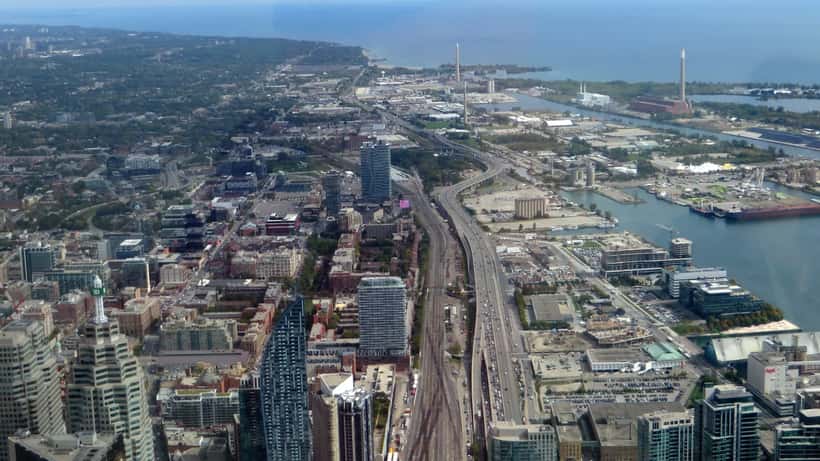
 The Gardiner Expressway was fully closed on Sunday, May 31, 2026, from South Kingsway in Etobicoke to the DVP ramp in the east end — the latest in a year of repeated shutdowns that have pushed tens of thousands of Toronto commuters onto Lake Shore Boulevard and surface streets day after day.
For most drivers, the frustration is the delay. But auto mechanics across the GTA are seeing the real cost show up in the service bays: worn-out brake pads, overheating engines, and transmission fluid that looks like it has been through a furnace. Stop-and-go driving is the hardest thing you can put your vehicle through — and months of Gardiner detour traffic may be quietly running up your repair bill.
Why Stop-and-Go Driving Is Worse Than Highway Miles
Highway driving is actually easy on your vehicle. The engine runs at a steady temperature, the brakes barely engage, and the transmission stays in high gear. Detour routes through downtown Toronto are the opposite: constant braking, idling, and low-gear cycling that pushes multiple systems toward their limits simultaneously.
According to Transport Canada's road safety program, vehicles accumulate wear in proportion to how they are driven — not just how far. Stop-and-go conditions accelerate that wear in ways that do not always show up on your odometer.
Each time you brake from 40 km/h to a stop, your brake pads absorb heat. In normal highway driving, those pads cool between applications. In bumper-to-bumper traffic, they do not — and brake pads operating at elevated temperatures can wear out up to 50% faster than on typical roads. Over several months of daily detour commutes along Lake Shore Boulevard, that translates directly to early brake replacement.
The April 24–27 full closure — when the Gardiner was shut from the Humber River to Spadina for multi-night maintenance — was followed by ongoing single-lane restrictions on Lake Shore Boulevard throughout May. Today's full-day shutdown adds to a pattern that is already taking a measurable toll on GTA vehicles.
4 Vehicle Systems Most at Risk From Detour Driving
1. Brakes (pads and rotors)
Heavy stop-and-go use causes brake pads to heat-stress and wear faster. If you have been using Lake Shore Boulevard as your daily alternative since the spring closures began, your brakes are working harder than your maintenance schedule assumes. Signs to watch: squealing or grinding when you brake, a pulsing feeling in the pedal, or vibration when stopping from highway speed.
2. Transmission
In automatic vehicles, frequent cycling between first and second gear generates heat inside the transmission. That heat breaks down transmission fluid, reducing its lubricating properties. Left unaddressed, overheated fluid leads to rough shifting, slippage, and eventually costly transmission damage. Mechanics recommend a full fluid flush more frequently for vehicles primarily driven in stop-and-go conditions — roughly every 40,000 km rather than the standard 80,000 km interval.
3. Engine and Fuel System
Extended idling keeps your engine running without fully warming up, which causes incomplete combustion and allows fuel residue to accumulate on cylinder walls and in fuel injectors. The result: reduced fuel economy, rough idling, and — over time — clogged injectors that require professional cleaning. If your fuel economy has dropped noticeably compared to last year, detour driving may be the reason.
4. Cooling System
At highway speeds, airflow through the radiator keeps coolant temperatures stable. In bumper-to-bumper traffic, that airflow disappears entirely. The cooling system must work harder to compensate, and if the coolant is old or the radiator cap is failing, overheating becomes a real risk — particularly heading into summer. Watch for the temperature gauge climbing higher than usual after a congested commute.
Warning Signs That Warrant Immediate Attention
Most detour-related wear develops gradually, but some symptoms require prompt action rather than waiting for your next scheduled service:
- Temperature warning light illuminated while driving in traffic
- Brake warning light or noticeable loss of braking response
- Rough, delayed, or slipping gear shifts, especially in lower gears during low-speed driving
- Burning smell after driving through heavy congestion
- Unusual vibration through the steering wheel or brake pedal
If you notice any of these symptoms, bring your vehicle in immediately rather than waiting for your next oil change.
When to Book a Mechanic Inspection
Even without obvious symptoms, if you have been commuting on Gardiner detour routes several times per week since the spring closures began, a mid-season mechanical inspection is worth the cost. A trained mechanic can measure brake pad thickness, check transmission fluid condition and colour, test coolant strength, and inspect the fuel system — catching small problems before they become expensive failures.
The Gardiner closures are not ending soon. The City of Toronto has a multi-year maintenance program underway on the structure, with further weekend shutdowns planned throughout 2026 and beyond. That means more detour kilometres and more stop-and-go stress on every vehicle in the GTA.
A preventive inspection now costs a fraction of what a seized caliper, overheated transmission, or failed cooling system will run you later. If you are searching for a qualified mechanic in the Greater Toronto Area, ExpertZoom connects you with vetted automotive professionals who specialize in diagnosing exactly this kind of cumulative wear.
