 Elara Deschamps
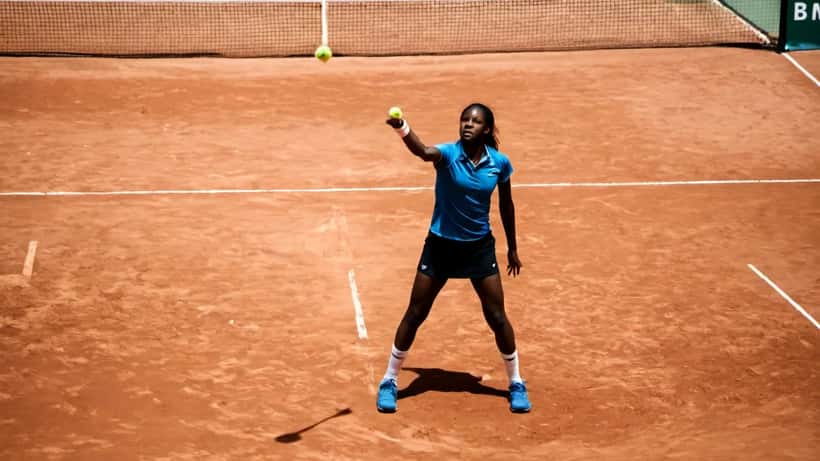
Canadian tennis star Gabriel Diallo steps onto the clay courts of Munich's BMW Open today, April 13, 2026, facing Vitaliy Sachko in the first round — just one week after a straight-sets loss to João Fonseca at Monte-Carlo. At 24, the 6'8" Montréaler ranked 36th in the world is one of the most exciting players on the ATP Tour. But as millions of Canadians who play recreational tennis know, the sport that looks so elegant from the stands is quietly brutal on joints, tendons, and elbows.
Tennis elbow is trending in Canadian search engines today — and it's not hard to see why.
What Is "Tennis Elbow" and Why Does It Affect Everyone — Not Just Pros
Lateral epicondylitis — the clinical name for tennis elbow — is an overuse injury caused by repetitive strain on the tendons that attach to the lateral epicondyle, the bony bump on the outside of the elbow. Despite its name, fewer than 5% of people diagnosed with tennis elbow actually play tennis. According to the Canadian Physiotherapy Association, it is one of the most common upper-limb complaints seen by sports medicine doctors in Canada, affecting roughly 1 to 3% of the population.
The condition develops gradually. At first, patients notice a dull ache on the outside of the elbow after playing or using their arm repetitively. Over weeks, the ache becomes persistent. Eventually, gripping a coffee cup, opening a jar, or shaking a hand becomes painful.
For elite players like Diallo, the risk is managed by team physiotherapists and sports medicine specialists who monitor swing mechanics, racket tension, and training loads. For weekend players at tennis clubs in Toronto, Vancouver, or Calgary, those safeguards don't exist — which is precisely why amateur athletes often let the injury progress untreated.
The Danger of Waiting
The common amateur mistake is hoping it will go away. In the early stages of lateral epicondylitis, it might. But untreated tennis elbow has a troublesome natural history: approximately 20% of patients who ignore symptoms for six months or more develop chronic tendinopathy — a structural degeneration of the tendon that is significantly harder to treat.
A 2023 systematic review published in the British Journal of Sports Medicine found that early physiotherapy intervention — particularly exercises targeting eccentric tendon loading — reduced recovery time by an average of 40% compared to watchful waiting. The implication is clear: the sooner a sports medicine doctor or physiotherapist evaluates the injury, the better the outcome.
In Canada, access to sports medicine specialists varies by province. In Ontario, family physicians can refer patients to sports medicine clinics covered under OHIP for assessment, though wait times at hospital-affiliated clinics can range from three to eight weeks. Private sports medicine clinics typically offer appointments within a week — sometimes the same week — at a cost of $150 to $300 per session without extended health benefits.
How Diallo's Schedule Reveals the Hidden Risk
Diallo's 2026 spring clay season illustrates the load problem that recreational players rarely consider. After Monte-Carlo (April 6), he is competing in Munich (this week), likely followed by Madrid (late April) and Rome (May). That's approximately four tournaments in five weeks on clay — a surface that requires more physical effort per point than hard courts due to longer rallies and higher joint impact at the hip and elbow.
Professional players manage this through sports science support. Amateur players, however, often make the opposite error: increasing their game frequency in spring when good weather returns, without a corresponding adjustment to recovery.
Physiotherapists report that April through June is consistently the busiest period for new tennis elbow presentations — the "spring surge" — driven by recreational players jumping back onto the court after a winter off, often with unchanged equipment and no warm-up protocol.
The Warning Signs You Should Not Ignore
Sports medicine specialists advise seeking professional evaluation when any of the following occur:
- Pain on the outside of the elbow that persists more than 2 to 3 weeks after onset, even with rest
- Grip weakness — difficulty holding objects, particularly with the elbow extended
- Pain radiating toward the forearm during or after play
- Night pain — aching while resting or sleeping, which suggests progressed inflammation
- Stiffness in the morning that does not resolve within 30 minutes
Any of these signs in combination warrant an assessment. Waiting for the pain to become severe before seeking help is the most common error sports medicine doctors encounter.
What Treatment Actually Looks Like
Treatment for tennis elbow is graduated and evidence-based. First-line interventions include:
- Load modification: reducing the repetitive activity causing strain — not necessarily stopping completely
- Eccentric exercise programs: physiotherapist-guided exercises that strengthen the tendon while loading it in a controlled way
- Bracing: counterforce braces worn during play can reduce strain on the damaged tissue
- Shockwave therapy or platelet-rich plasma (PRP): second-line options for cases that do not respond to conservative management within 6 to 12 weeks
Cortisone injections, once a popular quick fix, are now used cautiously — evidence from the past decade suggests that while they provide short-term pain relief, they may actually worsen long-term outcomes by delaying tendon healing.
Surgery is rarely needed: fewer than 10% of cases require operative intervention, and only after 6 to 12 months of failed conservative treatment.
The Expert Zoom Angle for Canadian Tennis Players
Whether you're watching Gabriel Diallo serve at 215 km/h on clay today or grinding through your club's Monday night ladder match, the anatomy underneath is the same. The difference is that Diallo has a medical team; you have a family doctor who may or may not have time to discuss your elbow before flu season ends.
A sports medicine specialist can assess your injury in a single appointment, confirm or rule out lateral epicondylitis, and give you a structured recovery plan — often before it becomes a chronic problem. If you've been putting off that nagging elbow ache, today's a good day to stop.
This article is for general information purposes only. It does not constitute medical advice. Consult a qualified healthcare provider for assessment and treatment of any injury or medical condition.
