 Olivia Dubois
Eshan Malinga and the young cricketers: when should aspiring athletes see a sports medicine doctor in Canada?
Eshan Malinga, the young Sri Lankan pace bowler gaining attention in the cricket world, has become a trending name among Canadian cricket fans in 2026. Son of legendary Sri Lankan fast bowler Lasith Malinga, Eshan has been followed closely by the South Asian cricket community in Canada as he develops his career. His emergence raises an important question that resonates with thousands of Canadian families: how do you protect a young cricketer's body and career while nurturing their talent?
The physical demands of fast bowling
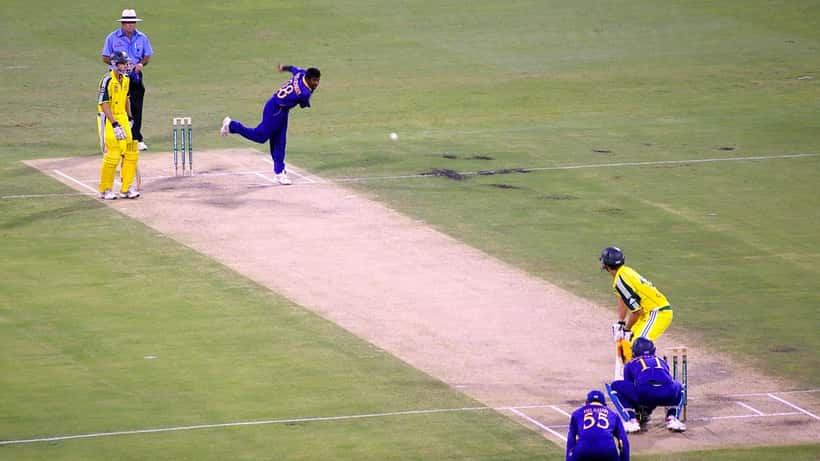
Fast bowling is one of the most physically demanding disciplines in cricket. Research published in the British Journal of Sports Medicine (2024) found that fast bowlers experience a significantly higher rate of musculoskeletal injury compared to batsmen and spinners, with the lumbar spine, knees, and shoulder being the most affected areas.
For young bowlers — particularly those aged 12 to 21 — the risks are compounded by developing skeletal structures. Stress fractures of the lower back (spondylolysis and spondylolisthesis) are disproportionately common among adolescent fast bowlers. Early identification and intervention can prevent a minor stress reaction from becoming a career-limiting fracture.
The Canadian context: cricket and youth development
Canada's cricket community — centred largely in Ontario, British Columbia and Alberta — has seen a surge in youth participation since 2021. Cricket Canada reports over 25,000 registered youth players nationally, with youth programs expanding rapidly in the Greater Toronto Area, Metro Vancouver and Calgary.
Many of these young players dream of following in the footsteps of cricketers like Eshan or Lasith Malinga. Parents invest significantly in coaching, equipment and travel for tournaments. Yet sports medicine support — the kind that professional cricketers benefit from — often doesn't reach community-level youth cricket in Canada.
Key warning signs parents and coaches should never ignore
Whether your child is playing for a school team, a community club, or aspiring to provincial representation, these warning signs warrant an immediate visit to a sports medicine physician:
Back pain during or after bowling: Any persistent lower back pain in an adolescent fast bowler should be taken seriously. Young athletes often push through pain under competitive pressure. Early imaging (X-ray or MRI) can identify stress reactions before they become full fractures.
Changes in bowling action: If a young bowler begins unconsciously altering their action — dropping the elbow, opening up early, side-stepping — it often signals compensatory mechanics caused by underlying pain or discomfort. A biomechanical assessment from a sports physiotherapist can identify these patterns.
Shoulder pain and arm fatigue: The shoulder joint is under enormous stress during fast bowling. Rotator cuff strains, labral tears and growth plate injuries (in players under 18) require specific evaluation.
Knee swelling or locking: Meniscus and cartilage issues are not uncommon in cricket fielders and bowlers. Swelling that persists for more than 48 hours should be assessed by a sports medicine doctor.
Recurrent soft tissue injuries: Repeated hamstring strains, quadriceps tears or calf injuries suggest underlying biomechanical issues that warrant a full assessment.
What a sports medicine doctor can do for young cricketers
A Canadian sports medicine physician — ideally one with cricket experience or South Asian athlete familiarity — offers a range of services:
Pre-participation physical exams (PPE): A thorough baseline assessment before the cricket season identifies existing vulnerabilities and establishes baseline measurements for future comparison.
Imaging and diagnosis: Ordering and interpreting appropriate imaging for suspected stress fractures, growth plate issues or soft tissue damage.
Load management recommendations: Evidence-based guidelines on bowling volume — how many overs per session, per day, per week — based on the player's age, fitness and training history.
Referral to specialists: When needed, referral to orthopedic surgeons, physiotherapists, or sports psychologists who understand cricket-specific demands.
According to Health Canada's active living resources, physical activity — including organized sport — is a cornerstone of healthy youth development. Supporting that activity with appropriate medical oversight protects both the child's health and their long-term athletic potential.
The legal and insurance angle for youth cricket organizations
Cricket organizations in Canada have legal obligations around player safety. If a young athlete is injured during a sanctioned event or training session, the organization may face liability questions. Key points:
- Cricket Canada and provincial associations require member clubs to carry liability insurance
- Coaches with recognized certifications (Cricket Canada's National Coaching Certification Program) are better positioned if a liability claim arises
- Incident documentation is critical — written records of all injuries, treatments and communications with parents protect organizations legally
A sports law specialist can advise cricket organizations on their specific obligations and help draft appropriate waivers and consent forms. ExpertZoom connects Canadian cricket clubs with legal professionals who understand youth sports law.
What to expect from a sports medicine consultation in Canada
Accessing sports medicine in Canada varies by province:
Ontario: Sports medicine consultations may require a GP referral for OHIP coverage; private sports medicine clinics are widely available in the GTA without a referral
British Columbia: Many sports medicine clinics operate on a fee-for-service basis; MSP covers consultations when referred by a GP
Alberta: AHS covers sports medicine physician consultations with referral; physiotherapy is typically private pay or extended health benefit coverage
Turnaround times can be significant in the public system. For competitive young cricketers, private sports medicine consultations — while out-of-pocket — provide faster access to assessment and treatment.
Conclusion: protect the talent, not just the result
Eshan Malinga's rise is an inspiration for young cricket enthusiasts across Canada. But behind every talented young fast bowler is a body under stress. Supporting that talent with sports medicine expertise — and understanding the legal and financial dimensions of youth cricket — gives young players the best chance of a long, healthy career.
This article is for informational purposes and does not constitute medical or legal advice. Consult a qualified medical professional for personalized health guidance.
