 Clara Thompson
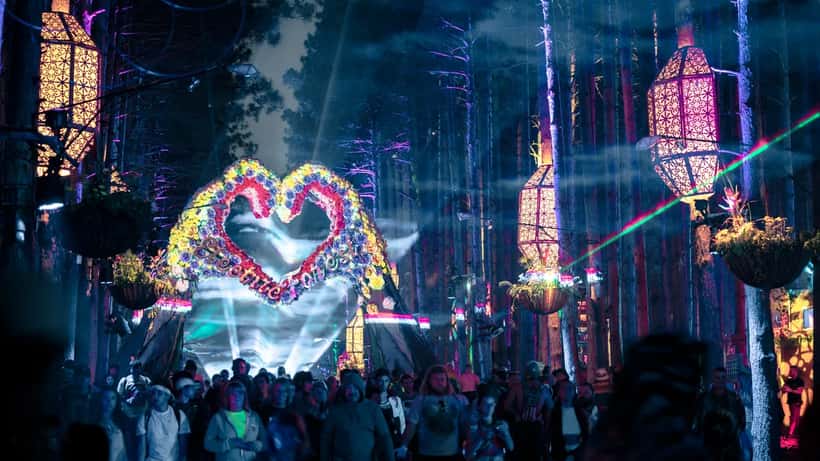
The 14th edition of Electric Forest drew an estimated 40,000 to 50,000 music fans to the Double JJ Ranch near Rothbury, Michigan from June 25 to 28, 2026 — but the event also generated 143 emergency dispatch calls. From medical emergencies to welfare checks, the numbers put festival health planning firmly in the spotlight for the Canadians who travel south each year for large outdoor music events.
The Scale Behind the Statistics
Emergency responders at Oceana County handled 143 calls during the Electric Forest 2026 weekend, covering medical emergencies, fire calls, traffic incidents, welfare checks, and law enforcement requests. While that figure reflects the sheer size of the event, festival medicine specialists say it underscores something routinely overlooked: large outdoor gatherings are complex health environments where individual decisions carry amplified consequences.
The conditions that make festivals exhilarating — sustained physical activity, altered sleep schedules, high energy crowds, heat, and sun exposure — are the same factors that strain the body over a multi-day event. Electric Forest's own Ground Control Team, described by organizers as committed to keeping attendees "happy, healthy, and hydrated," provides first-line support on-site. But reactive resources at a festival of 40,000-plus attendees can only do so much. Prevention starts well before the gates open.
Heat and Dehydration: The Leading Risks
Heat and dehydration drive more festival medical calls than any other cause. Michigan's late June weather can shift quickly: Electric Forest 2026 saw comfortable temperatures through most of the weekend before heat arrived Sunday and into Monday. Festival-goers unaccustomed to extended outdoor exertion often underestimate how rapidly conditions escalate.
Health professionals recommend drinking at least 500 mL of water per hour of physical activity in warm conditions — rising to 750 mL if temperatures exceed 30°C. Electrolyte loss from sweating, compounded by alcohol consumption which accelerates dehydration, significantly increases the risk of heat exhaustion and heat stroke when not replaced.
Symptoms of heat exhaustion include heavy sweating, cold or clammy skin, dizziness, and nausea. Heat stroke — the more dangerous progression — involves body temperature above 40°C, confusion, and loss of consciousness. If someone shows signs of heat stroke, call emergency services immediately and move them to a cool, shaded area. Do not wait for symptoms to resolve on their own.
Noise Exposure: The Hidden Long-Term Risk
Sound levels at main stages routinely exceed 100 decibels — a level at which sustained exposure of just 15 minutes can cause temporary or permanent hearing damage. Unlike heat exhaustion, noise-induced hearing loss is painless in the moment, accumulates gradually, and is often only recognized years after the damage has occurred.
A prior expert analysis covering similar festival health risks found that hearing loss after loud concert events is among the most preventable chronic outcomes associated with large music festivals. High-fidelity earplugs — designed to reduce volume uniformly without distorting sound quality — are widely available and represent one of the simplest evidence-backed interventions available to any festival-goer.
Mental Health and Sleep Deprivation
Multi-day festivals create a specific set of mental health stressors. Sleep deprivation across a four-day event compounds emotional reactivity, reduces decision-making capacity, and heightens the risk of anxiety and acute stress responses — including panic attacks in people who have never previously experienced them.
The combination of unfamiliar environments, dense crowds, stimulant use, and disrupted schedules can rapidly destabilize individuals with pre-existing mental health conditions. Experts consistently recommend the "buddy system": never attending alone, and establishing a specific meeting point in case of separation. Knowing the location of on-site mental health support before entering the venue — not searching for it during a crisis — is equally important.
Health Canada's substance use harm reduction resources provide practical guidance for navigating festival environments where substance use may be present, including how to recognize drug interactions and when to seek medical help.
Medications, Chronic Conditions, and Pre-Festival Planning
A wide range of common prescriptions interact poorly with heat and physical exertion. Antihistamines, antidepressants, diuretics, and blood pressure medications can all impair the body's ability to regulate temperature. Consulting a health professional before attending a multi-day outdoor event helps identify whether your current medication schedule requires adjustment.
For people managing chronic conditions — asthma, cardiovascular disease, diabetes — festival-specific planning is not optional. Portable inhalers need to be accessible, not buried in a backpack at the bottom of a tent. Insulin storage in heat requires insulated cases and clear contingency planning. Knowing the exact location of on-site medical stations before arrival, rather than searching when something goes wrong, can be the difference between a manageable situation and an emergency.
The week after a large festival also brings a predictable increase in upper respiratory infections, sometimes called "festival flu." Extended sun exposure, reduced sleep, close contact with tens of thousands of people, and general physical depletion create ideal conditions for illness. Canadian Canadians returning from Electric Forest and similar events should factor in adequate recovery time. For those who have already experienced outdoor heat exposure and are now managing lingering symptoms at home, a review of heat-related health risks and their progression can help clarify when symptoms require professional evaluation.
When to Consult a Health Expert
Electric Forest — and the growing calendar of major outdoor music festivals that Canadians attend each summer — delivers real community and real joy. It also delivers real physiological demands that vary significantly depending on an individual's baseline health, medications, and pre-existing conditions.
If you have health concerns specific to attending a large outdoor event, a consultation with a qualified health professional is the most reliable way to assess and reduce your personal risk. Expert Zoom connects Canadians with certified health specialists who can give you personalized guidance before you pack your tent and hit the road.
This article is for informational purposes only and does not constitute medical advice. Consult a qualified health professional for guidance specific to your circumstances.
