 Nathalie Dubois
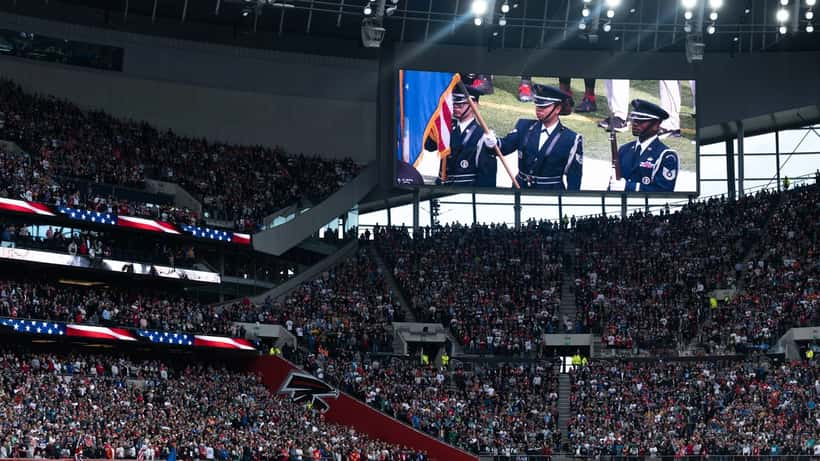
The Colts vs Commanders NFL London game on 4 October 2026 is already generating massive buzz at Tottenham Hotspur Stadium, with thousands of Canadian fans making the transatlantic journey to watch Indianapolis face Washington in one of the most anticipated international matchups of the 2026 NFL season. But behind the excitement of booking flights, hotels, and game-day tickets lies a legal grey zone that too many Canadian sports travellers navigate without guidance — until something goes wrong.
Why Canadian fans buying NFL London tickets face unique legal risks
NFL London games are not sold through a single regulated marketplace. The NFL and its official partner, SeatGeek, control a portion of inventory, but secondary resale markets — StubHub, Viagogo, Ticketmaster Resale, and dozens of smaller platforms — handle the majority of game-day transactions. For Canadian buyers, the jurisdictional question matters immediately: where the platform is incorporated determines which consumer protection framework applies.
Under Ontario's Consumer Protection Act (CPA 2002), a consumer who purchases a ticket through a platform incorporated in Ontario is entitled to a full refund within 15 days if the ticket is not delivered as described. Buyers transacting on platforms registered outside Canada — particularly those based in Ireland, as Viagogo is — have significantly weaker statutory remedies in Canadian courts. Confirming the platform's registration before clicking "buy" can be the difference between a swift refund and a months-long dispute.
The timing of the Colts-Commanders London fixture adds a layer of urgency. With Indianapolis listed as a 67% favourite according to prediction market data from October 2026, and with star players like Jayden Daniels and Jonathan Taylor on the field, demand for resale tickets has outpaced supply — creating fertile ground for fraudulent listings on social media and unofficial secondary markets.
According to the Financial Consumer Agency of Canada, Canadian consumers have the right to initiate a credit card chargeback for non-delivered goods or services within 120 days of the expected delivery date, a protection that applies to both Visa and Mastercard holders.
When a chargeback is not enough: the lawyer's territory
For most ticket disputes, the chargeback is the first line of defence — and often where the matter ends. But three situations move a ticket dispute from a bank conversation into legal territory:
1. The transaction was made by e-transfer or wire. Chargeback protections do not apply to bank transfers, which means that if a private seller receives an Interac e-transfer and disappears, the primary remedy is legal action rather than a card dispute. A consumer protection lawyer can send a formal demand letter that triggers Section 36 of the Competition Act, which allows Canadian courts to award up to triple the provable loss in cases involving fraudulent misrepresentation.
2. The platform is unregistered and refuses to engage. An unlicensed offshore broker has no obligation under Canadian consumer law to respond to complaints. Legal counsel with experience in international private law can identify whether the platform has any Canadian legal nexus — registered address, Canadian-targeted advertising, Canadian-language interface — that makes it subject to Ontario jurisdiction.
3. The loss exceeds $3,000 CAD when combined with non-refundable travel costs. At this threshold, the cost-to-recovery ratio of consulting a lawyer becomes highly favourable. Ontario Small Claims Court handles disputes up to $35,000, and a filing fee of $102, combined with a single one-to-two-hour legal consultation (typically $200–$400 CAD), represents a modest investment against a multi-thousand-dollar potential recovery.
Concrete case: a $4,200 CAD dispute over Colts-Commanders tickets
Consider the following scenario — representative of the disputes pattern seen with international sports events in 2026. A couple from Edmonton purchased two resale tickets to the Colts-Commanders London game in August 2026 through a private listing on a social media platform, paying $1,850 CAD per ticket via Interac e-transfer to a seller with a verified account and several positive reviews. Two weeks before departure, the seller's account was deleted and the NFL's official Ticketmaster transfer portal showed no pending ticket linked to either of the buyers' email addresses.
If the couple paid by credit card through a platform: They have until 120 days after the expected delivery date to file a chargeback through their card issuer, citing "goods not received." If the platform disputes the chargeback by pointing to a "fulfilled" status on their backend — a common tactic — a lawyer can challenge that claim by demonstrating that the CPA 2002 requires the seller to prove actual delivery to the named consumer, not merely record a transfer in their own system.
If the couple paid by Interac e-transfer directly to a private seller: There is no automatic chargeback route. Their first step is filing a report with the Canadian Anti-Fraud Centre and their bank's fraud team. However, recovery through those channels is not guaranteed and can take 60–90 days with no binding outcome. A lawyer filing a Small Claims claim with documented evidence of fraudulent misrepresentation — the fake listing, the transfer receipt, the NFL non-delivery record — can reach a binding judgment in 4–6 months in Ontario.
The numbers: At $3,700 CAD in direct ticket costs plus $520 CAD in non-refundable travel insurance premiums purchased in connection with those tickets, the total provable loss is $4,220 CAD. With triple damages available under the Competition Act in a proven fraud case, the theoretical recovery climbs to $12,660 CAD — well worth the $102 filing fee and a brief legal consultation to structure the claim properly.
Legal note: This article is for informational purposes only and does not constitute legal advice. Outcomes vary depending on jurisdiction, platform registration, and the specific facts of each case. Consult a licensed consumer protection lawyer for advice on your situation.
What the CPA 2002 actually covers — and what it does not
Ontario's Consumer Protection Act covers "internet agreements" when the consumer is located in Ontario at the time of the transaction. This means that even a London-based resale platform can be subject to Ontario's rules if you clicked "buy" from Toronto. Under the Act, the seller is obligated to:
- Provide accurate, complete information about the ticket (section, row, seat view) before purchase
- Disclose all fees, including service charges and currency conversion, before the consumer commits
- Issue a full refund within 15 days of a documented non-delivery
What the CPA does not cover is voluntary non-attendance. If you purchased tickets, received them, and then decided not to fly because of work commitments or because the Colts lost their first three games — that is a travel insurance matter, not a consumer protection matter. Reviewing your travel insurance policy's "event cancellation" clause before booking any international sports trip is the single most effective preventive step a Canadian fan can take.
For fans who have already navigated sports event disputes this year, our earlier coverage of NFL legal disputes and what Canadian fans learned in 2026 and the Champions League Budapest ticket fraud cases provides useful context on how cross-border enforcement has played out in practice.
Practical steps if your Colts-Commanders London ticket did not arrive
Document the full paper trail immediately — screenshot the listing, payment confirmation, all communications with the seller, and the NFL Ticketmaster non-delivery message. Courts and card issuers require contemporaneous evidence; screenshots taken after the fact carry less weight.
File a chargeback within 24 hours if you paid by credit card — the 120-day window starts from the promised delivery date, not the game date. Earlier filings have stronger presumptive weight with card issuers.
Report to the Canadian Anti-Fraud Centre — creating a formal record at antifraudcentre.ca supports both the chargeback and any subsequent legal claim, as it establishes a pattern of fraudulent behaviour by the seller.
Consult a consumer protection lawyer if the loss exceeds $3,000 CAD, if the platform is offshore, or if the chargeback has already been declined once — an initial consultation (typically $200–$350 CAD flat for a structured intake) can identify whether your case is viable in Small Claims before you commit to a full retainer.
The Colts vs Commanders London fixture is one of the most visible international NFL games of the 2026 season. For Canadian fans who made the trip, this Sunday's kickoff is the reward. For those whose tickets never materialized, knowing which legal tools are available — and when to pick up the phone for a professional consultation — is the difference between absorbing the loss and recovering it.
