 Aria Nguyen
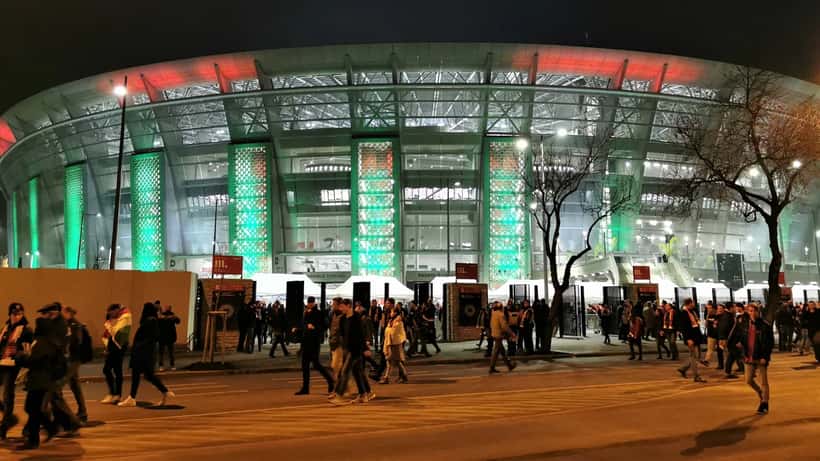
The 2026 UEFA Champions League Final is officially set: Paris Saint-Germain faces Arsenal at the Puskás Aréna in Budapest on May 30, 2026. For Canadian football fans dreaming of making the trip, the excitement is real — but so is the financial risk. While UEFA is selling official tickets at prices ranging from €70 to €950, secondary market platforms are listing the same seats for $5,700 to nearly $15,000 CAD. If you are planning to buy Champions League tickets for Budapest, here is what you need to know about your legal rights as a Canadian consumer.
The Ticket Scalping Reality for Budapest 2026
UEFA has allocated 39,000 tickets to the May 30 final. Each of the two finalist teams received 17,200 tickets, with approximately 5,000 going to neutral fans through a ballot. For the vast majority of fans, official channels are effectively closed — which is exactly when secondary markets become both tempting and dangerous.
Platforms like SeatPick, StubHub, and Viagogo are listing Budapest 2026 final tickets starting at over $5,700 CAD, with average prices around $14,784 CAD — roughly 15 times the official Fans First price of €70. That spread creates ideal conditions for fraud, fake listings, and disputed transactions. According to the Competition Bureau of Canada, deceptive marketing practices around high-demand events are among the most frequently reported consumer complaints in Canada.
What Canadian Law Says About Ticket Resale
Canada's approach to ticket scalping exists at both the federal and provincial levels — and the rules are not uniform across the country.
At the federal level, the Competition Act prohibits deceptive claims, misleading pricing, and fraudulent business practices. When a ticket reseller advertises a seat as "guaranteed" or "verified" without adequate basis for those claims, they may be in breach of federal consumer protection rules.
At the provincial level, several provinces have enacted specific anti-scalping or consumer protection measures:
- Ontario: The Ticket Sales Act prohibits the use of automated ticket-purchasing software (bots) and requires resellers to disclose fees upfront. Resale of tickets above original face value is permitted but subject to disclosure rules.
- Quebec: The Consumer Protection Act (CPA) gives consumers the right to cancel contracts made through deceptive practices. If a ticket is misrepresented — whether in terms of seat location, authenticity, or transferability — Quebec consumers may have grounds to void the purchase.
- British Columbia and Alberta: Similar consumer protection legislation allows for remedies when goods or services do not match their description, including tickets to live events.
For Canadians purchasing tickets to an event held in Hungary, there is an added layer of complexity. If you buy from a European-based reseller, the transaction may fall under EU consumer protection law rather than Canadian law — unless the reseller is also operating in Canada or has a Canadian corporate presence.
The Fraud Risk Is Real
International sporting finals consistently attract high-profile ticketing fraud. Common scams targeting buyers of UCL final tickets include:
- PDF or digital ticket duplication: Fraudsters sell the same ticket to multiple buyers. The first person to scan it gets in; everyone else is left outside with no recourse.
- Invalid transfers: UEFA imposes strict rules on ticket transferability. Tickets purchased through unofficial channels may be non-transferable and invalidated at the gate.
- Phishing storefronts: Websites mimicking legitimate marketplaces collect payment and personal information without delivering any ticket.
- Peer-to-peer scams via social media: Private sellers on Facebook, Reddit, or X offer tickets below market price, accept e-transfer payments, and disappear.
If you are scammed on a ticket purchase, immediate action matters. Contact your credit card issuer to dispute the charge under the chargebacks process — most Canadian credit card providers follow Visa or Mastercard dispute resolution rules, which require merchants to prove delivery of the goods or service. Document everything: screenshots of listings, payment confirmations, and communication with the seller.
Protecting Yourself When No Official Tickets Remain
If you have missed the official UEFA ballot, a consumer rights lawyer or a specialist in digital contracts can help you assess whether a specific secondary market platform offers adequate protections. Key questions to ask before purchasing:
- Is the platform licensed and regulated in Canada or the EU?
- Does the platform offer a buyer guarantee with clear refund terms if the event is cancelled or your tickets are invalid?
- Are seat, row, and section details guaranteed in writing?
- What dispute resolution mechanism applies — and in which jurisdiction?
- Does the seller clearly disclose all service fees before payment?
Under Ontario's Ticket Sales Act, platforms operating in that province must disclose the full price, including fees, before checkout. If you discover additional charges at the end of the purchasing process that were not disclosed upfront, you may have grounds to cancel the order.
What About Travel and Accommodation?
For Canadians booking flights and hotels around the Budapest final, consumer protection extends to your travel bookings as well. If your official tickets are later cancelled — or if the event is postponed — you may be entitled to a full refund under the ticket terms and potentially under your travel insurance policy.
Review your travel insurance policy carefully before booking. Look specifically for clauses related to "event cancellation" and "ticket invalidity" — coverage varies significantly between providers. If you are unsure whether your policy covers these scenarios, a financial advisor or insurance specialist can walk you through your options before you spend thousands of dollars on a trip that may not go as planned.
The Bottom Line for Canadian Fans
The 2026 Champions League Final in Budapest is a once-in-a-decade sporting spectacle. The temptation to pay premium prices for a seat at the Puskás Aréna is understandable. But purchasing tickets on the secondary market carries significant financial and legal risks that most buyers do not fully understand.
Before handing over thousands of dollars to any platform or private seller, take the time to understand your rights under Canadian consumer protection law — and consider consulting a legal expert if the transaction involves a significant sum. A qualified consumer law specialist can review the purchase terms, assess the platform's legitimacy, and advise you on what remedies are available if something goes wrong.
The match is May 30. The legal homework should start now.
This article provides general legal information for educational purposes. It does not constitute legal advice. Consult a licensed lawyer in your province for guidance specific to your situation.
