 Victoria Stewart
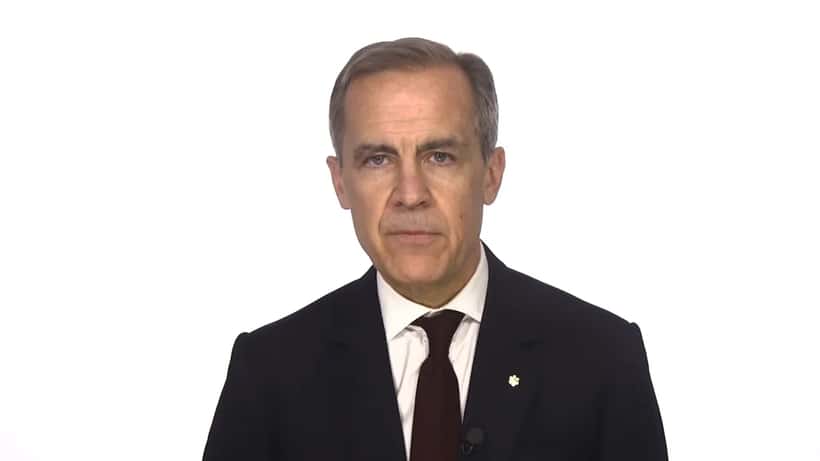
Prime Minister Mark Carney arrived in Yerevan, Armenia on May 2, 2026, to attend the 8th European Political Community Summit — the first time a Canadian head of government has been invited to this forum and the first Canadian prime ministerial visit to Armenia in nearly a decade. The occasion is more than symbolic. Carney is meeting with European leaders to discuss collective security, continued support for Ukraine, and transatlantic defence — but the backdrop is unmistakably economic: Canada is actively reorienting its trade and investment relationships away from a turbulent US under renewed protectionist pressure. For Canadian investors and businesses, this pivot has direct and immediate implications.
Why Canada's European Shift Matters More Than One Summit
The EPC Summit in Yerevan runs alongside the first-ever EU-Armenia Summit on May 4–5, 2026, where EU leaders are deepening economic and energy ties with Armenia as part of its westward shift away from Russia. Canada's presence at this convergence of European and Caucasus diplomacy is deliberate.
According to the Prime Minister's official announcement of April 28, 2026, the trip is framed around "strengthening Canada's partnerships with likeminded nations." The language of "likeminded nations" — a phrase that explicitly excludes the current US administration — is a signal to Canadian businesses and investors about where Ottawa sees future growth and stability.
This is not a minor diplomatic visit. It is a statement about the direction of Canadian foreign economic policy for the years ahead.
What a Canada-Europe Axis Means for Canadian Investors
Canadian investors have historically allocated a large portion of their international exposure to US equities and US-dollar assets. The Canada-US trade relationship, while strained, has been the dominant axis of Canadian economic life since NAFTA. That relationship is now under stress from US tariffs, political unpredictability, and the weakening of trust between the two governments.
A genuine shift toward European partnerships creates both opportunities and portfolio questions that Canadians should be discussing with wealth managers:
Currency diversification: A stronger Canada-EU trade relationship increases the case for holding Euro-denominated assets. Canadian investors who are overweight in USD-denominated holdings should review whether their currency exposure reflects the shifting geopolitical realities.
European equity exposure: European markets — particularly in Germany, France, and the Nordics — have historically been underweighted by Canadian retail investors. With Canada actively engaging European institutions and businesses, sectors that benefit from Canada-EU trade (clean energy, critical minerals, advanced manufacturing, financial services) warrant closer attention.
Emerging market access through the European axis: Armenia, Moldova, Georgia, and other countries navigating between Western and Russian spheres represent emerging investment environments that are gaining institutional support. For sophisticated investors with risk appetite, these markets are becoming accessible through European development frameworks that Canada is now participating in.
CETA optimization: The Comprehensive Economic and Trade Agreement (CETA) between Canada and the EU has been in effect since 2017, but many Canadian businesses — particularly small and mid-size enterprises — have not fully utilized its provisions for tariff elimination, investment protection, and professional qualification recognition. A renewed political emphasis on Canada-EU ties creates a practical reason to review whether your business is benefiting from CETA.
The Implications for Canadian Businesses Operating Internationally
For Canadian companies with existing EU operations, or those considering European market entry, Carney's Yerevan summit accelerates several themes:
Reduced US dependency is a viable strategy: Companies that have hesitated to invest in European distribution, partnerships, or subsidiary structures now have clearer political support for that direction. Supply chain diversification toward Europe is no longer just a risk mitigation tactic — it is aligned with where Canadian government policy is heading.
Professional services for EU market entry: Entering EU markets requires navigating GDPR data regulations, VAT rules that differ by member state, employment law frameworks significantly different from Canadian provincial law, and sector-specific licences. Canada's April 2026 immigration overhaul also changed several provisions for intra-company transfers and work permit categories that affect Canadian employees working in EU-linked operations. Legal counsel with international scope is essential for navigating this landscape.
Defence and security sector growth: The EPC Summit agenda includes collective security. Canada's engagement in European defence frameworks — including potential contributions to European security infrastructure — creates growth opportunities for Canadian defence contractors, cybersecurity firms, and professional services firms with NATO-adjacent expertise.
The Armenian-Canadian Community's Unique Position
Canada is home to one of the largest Armenian diaspora communities in the world, concentrated in cities including Montreal, Toronto, and Calgary. Carney's visit to Yerevan — and Armenia's growing Western orientation after decades of Russian influence — creates a moment for Armenian-Canadians with family or business ties to Armenia to reassess the investment and legal landscape there.
Since Armenia signed its Comprehensive and Enhanced Partnership Agreement with the EU in 2021, it has progressively adopted Western-style regulatory frameworks in areas including business registration, intellectual property protection, and financial services. Canadians looking to invest in or support businesses in Armenia now operate in a more familiar regulatory environment than existed a decade ago.
A wealth management advisor can help you model whether Armenian-market exposure — or broader Eastern European or Caucasus emerging market exposure — fits your risk profile and long-term financial goals.
One Summit Does Not Rewrite the Rules — But It Points a Direction
To be clear: Carney's visit to Yerevan is one data point, not a completed policy architecture. Canada-EU trade has been deepening for years. The EPC Summit does not create new trade agreements overnight. And the Canada-US relationship, despite current tensions, remains the largest bilateral trade relationship in Canadian economic history.
What the Yerevan summit does is signal clearly and publicly that the Canadian government is actively pursuing alternatives. For investors and business owners who have been watching the Canada-US relationship deteriorate without adjusting their exposure, this is a useful moment to review strategy with a professional.
This article is for informational purposes only and does not constitute investment or legal advice. Consult a qualified financial advisor or lawyer for advice specific to your situation.
