 Stéphanie Fournier
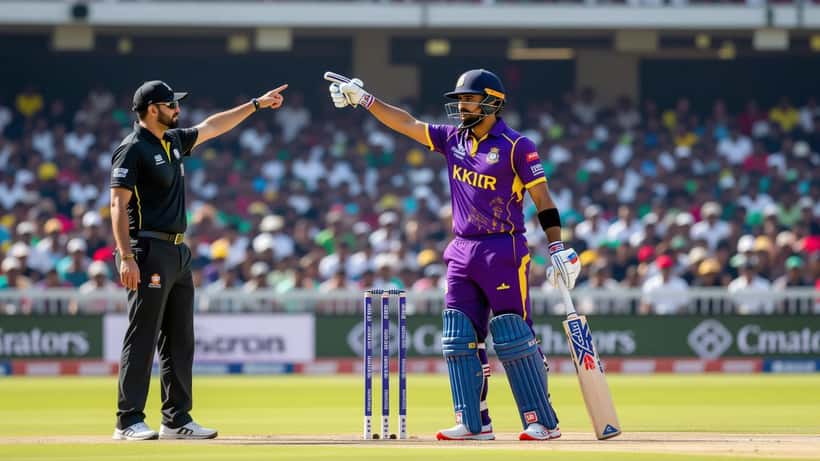
On April 26, 2026, Angkrish Raghuvanshi became only the fourth player in IPL history to be dismissed for "obstructing the field" — and the ruling quickly split cricket fans around the world, including the large South Asian cricket community across Canada. The Marylebone Cricket Club weighed in to back the third umpire's decision, and Raghuvanshi was subsequently fined 20 percent of his match fee and handed a demerit point for his reaction after the dismissal. The controversy raises a question that goes beyond cricket: when an official ruling affects a professional athlete's career or finances, what legal options actually exist?
What Happened at the Ekana Cricket Stadium
During the KKR vs LSG match in Lucknow, Raghuvanshi pushed the ball toward mid-on and began to run. His teammate Cameron Green stopped him at the far end. Turning back to return to his crease, Raghuvanshi crossed the pitch — and a throw from Mohammed Shami struck him in that crossing position. LSG captain Rishabh Pant appealed, and the third umpire ruled Raghuvanshi out under Law 37.1.1 of the Laws of Cricket.
The MCC's statement was unambiguous: "The wilful crossing of the pitch caused his downfall. It is not somewhere he should be running in any event." In cricket's legal framework, a batter is out if they "wilfully attempt to obstruct or distract the fielding side by word or action" — the word "wilfully" doing significant interpretive work in a play that lasted less than three seconds.
Raghuvanshi's reaction — waving his bat in frustration, hitting a boundary cushion, and throwing his helmet — drew a separate sanction: the 20 percent match fee fine and a demerit point, citing a breach of the IPL Code of Conduct. The fine was not for the dismissal itself, but for his conduct immediately after.
Two Separate Legal Issues in One Incident
The Raghuvanshi incident illustrates something that fans often miss: professional sport generates two parallel legal tracks simultaneously.
The playing law track — governed by the MCC's Laws of Cricket and administered by on-field and third-party umpires — determines the result of the play. In this case, the law was applied, the MCC backed the ruling, and the decision stands. There is no appeal mechanism for decisions made under playing laws in the IPL; once the third umpire rules, the decision is final on the playing field.
The conduct and disciplinary track — governed by the tournament or national federation's code of conduct — operates independently. A player can be cleared of a playing-law dispute and still face disciplinary action for their response to a ruling. Raghuvanshi's fine was in this second category: his reaction crossed into conduct the IPL deemed unprofessional.
This distinction matters enormously for any athlete facing a sanction. A fine or suspension issued under a code of conduct typically has an appeal process that a playing-law ruling does not. Understanding which track applies — and what rights exist in each — is exactly the kind of analysis a sports lawyer provides.
When Athletes Can (and Cannot) Challenge Rulings
In professional cricket, playing-law decisions during a match cannot be disputed through legal channels. But conduct sanctions, selection decisions, contract terminations, and eligibility rulings are different. These fall under organizational governance, and most international sports federations — including the BCCI (which governs the IPL) — have established appeal processes.
In Canada, the Sport Dispute Resolution Centre of Canada provides independent arbitration and mediation for disputes between athletes, coaches, and sports organizations. It is the official body for resolving conflicts in the Canadian sport system — covering everything from selection disputes and anti-doping appeals to safeguarding complaints and contract disagreements.
For Canadian athletes competing at the amateur or semi-professional level — in cricket, soccer, hockey, or any organized sport — the SDRCC offers a structured process that is more accessible and less costly than civil litigation. Knowing that this body exists, and when to invoke its jurisdiction, is practical legal knowledge that most athletes only discover when they need it.
What This Means for Young Athletes in Canada
Raghuvanshi's IPL 2026 season had already produced multiple half-centuries and a strike rate above 150. He was bought by KKR for Rs 3 crore — the kind of professional breakthrough that young Canadian cricketers of South Asian heritage aspire to. The controversy surrounding his dismissal, and the financial consequence of the conduct fine, illustrates something most aspiring athletes do not plan for: professional sport creates real legal and financial exposure, and the athletes best protected are those who understand their rights before an incident occurs.
For any young Canadian athlete receiving significant contract income for the first time, or navigating a dispute with a team, federation, or governing body, the practical steps are straightforward: document everything, understand which body has jurisdiction, and consult a sports lawyer before taking public or formal action.
Platforms like Expert Zoom connect Canadian athletes and sports professionals with legal experts who specialize in sports law, contract review, and dispute resolution — including advisors with knowledge of both Canadian and international sports governance frameworks.
The MCC's ruling on Raghuvanshi's dismissal will not change. But the principles it illustrates about playing law, conduct codes, and athlete rights apply every time a Canadian competes in organized sport.
This article provides general legal information for educational purposes. Consult a qualified sports lawyer for advice specific to your situation or dispute.
