 Eleanor Dubois
Jason Holder's Controversial IPL Catch Sparks Debate — What Sports Disputes Teach Us About Challenging Decisions
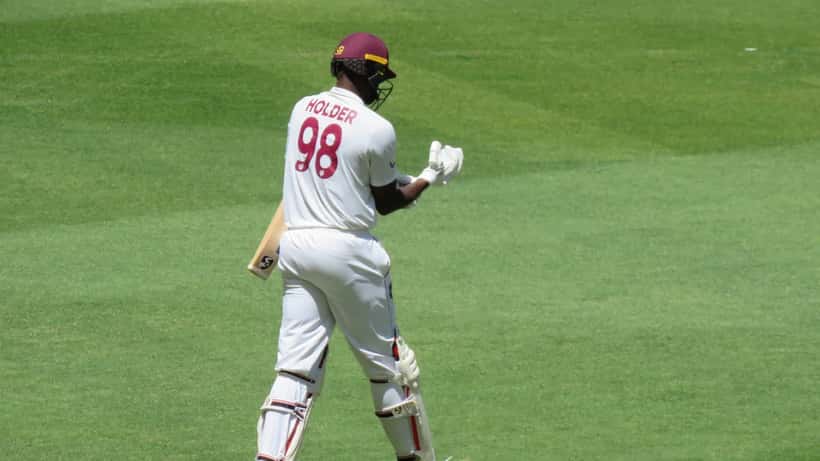
On May 1, 2026, Jason Holder took a low catch at deep backward square leg during Gujarat Titans' IPL match against Royal Challengers Bengaluru. Holder was named Player of the Match — 2 wickets, 3 catches, and 30 crucial runs — but the dismissal of RCB batsman Rajat Patidar sparked immediate controversy. Former West Indies international Ian Bishop stated publicly that there was "sufficient evidence for not out," arguing the ball may have touched the grass before Holder completed the catch. The on-field decision stood. The debate, however, hasn't stopped.
The incident is a reminder that even in highly regulated professional sports, contested decisions happen — and how those disputes are handled matters enormously. For Canadian athletes, sports organizations, and everyday professionals, the principles at play extend far beyond the cricket pitch.
What Actually Happened on May 1
Gujarat Titans, who purchased Holder for INR 7 crore at the IPL 2026 auction — making him their costliest signing of the season — needed a strong performance against RCB. Holder delivered. His catch of Patidar was referred for third-umpire review under the Decision Review System (DRS), the technology-based system used in professional cricket to adjudicate close calls.
The third umpire upheld the catch as out. The problem: the technology had insufficient camera angles to conclusively show whether the ball had grounded. Under the ICC Playing Conditions, an inconclusive review defaults to the on-field decision — meaning Patidar was given out.
Bishop's post-match comments highlighted a core tension in modern dispute resolution: what happens when the evidence is ambiguous and the system defaults in one direction?
Sports Dispute Resolution: The Framework
Professional cricket uses a tiered dispute resolution model that applies across most regulated sports:
- On-field authority: Umpires make real-time decisions. Players can challenge once per innings via DRS.
- Third-party review: Technology-assisted review (ball-tracking, hot-spot, snicko) adjudicates disputed calls.
- Match referee jurisdiction: Conduct issues, disciplinary matters, and rule breaches go to the match referee for formal adjudication.
- Governing body appeal: Formal appeals of disciplinary decisions go to the ICC or relevant national board.
- Court of Arbitration for Sport (CAS): The international tribunal of last resort for sports disputes — from doping bans to contractual disagreements between clubs.
The Holder catch controversy didn't rise to a formal dispute — it was resolved within the match framework. But the broader question of "what do you do when a decision is wrong and you can't overturn it?" is one that Canadians in sports and business face regularly.
What This Means for Canadian Athletes and Sports Organizations
Canada's sports governance landscape has its own layered dispute resolution system. Whether you're a competitive amateur, a semi-professional, or an employee in a sports organization, understanding your rights when a decision goes against you is critical.
Amateur and recreational sport: Sport Dispute Resolution Canada (SDRCC) is the national body for sport dispute resolution. It provides mediation and arbitration services for disputes involving athletes, coaches, and officials at the national level. If you've been excluded from a team, denied selection, or penalized by a provincial or national sport organization, SDRCC is the starting point — not the courts.
Contract and employment disputes: Professional athletes in Canada working under contracts with sports organizations have rights under both provincial employment law and their collective agreements (if applicable). Disputes over compensation, playing time, or dismissal may go to arbitration rather than civil court — depending on the contract.
Insurance and liability in sport: Canadians who suffer injuries in organized sport often face disputes with insurers or sport organizations about coverage and liability. These disputes are frequently resolved through negotiation, then mediation, then arbitration — with litigation as a last resort.
Defamation and reputation disputes: When a controversial decision becomes a public controversy — as happened with the Holder catch — athletes and officials can face reputational harm. In Canada, defamation disputes are handled differently from the United States, with stronger protections for privacy and reputation under provincial law.
Why Arbitration Often Works Better Than Court
The cricket world uses arbitration at the international level for the same reason most professional industries do: it's faster, private, and decided by experts in the relevant field. The Court of Arbitration for Sport, for example, resolves most appeals within months rather than years — critical for an athlete whose career window is finite.
In Canada, commercial and employment arbitration offers similar advantages:
- Speed: Arbitration decisions are typically rendered in weeks to months, compared to years for civil litigation.
- Expertise: Arbitrators are selected for their domain knowledge — an employment dispute can be decided by someone who understands the specific industry.
- Privacy: Arbitration proceedings are confidential, which matters for reputation-sensitive disputes.
- Finality: Arbitration decisions are difficult to appeal, creating certainty for all parties.
The downside is that arbitration clauses in contracts can limit your ability to go to court even when you'd want to — which is why having a lawyer review any contract with an arbitration clause is strongly advisable.
What Jason Holder Would Likely Say
Holder handled the post-match controversy with composure, defending his catch as legitimate and noting the DRS process ran its course. This is the right instinct in most dispute contexts: engage the formal process, document everything, and let the system work — while reserving escalation for situations where the stakes justify it.
For most Canadians, the equivalent is: report the issue through proper channels first, document the response (or non-response), and only escalate to legal action when internal resolution fails.
How to Protect Yourself Before a Dispute Arises
The best time to understand your dispute resolution rights is before a problem happens:
- Review your sports organization's bylaws — understand their complaint and appeal processes before you need them
- Read arbitration clauses in contracts before signing — some clauses are extremely one-sided
- Document incidents and decisions — contemporaneous written records are your strongest evidence in any later dispute
- Seek legal advice early — a lawyer can often resolve a dispute faster and cheaper if engaged at the start, not after positions have hardened
On ExpertZoom, you can connect with a legal professional who specializes in sports law, employment disputes, or contract review — without waiting weeks for an appointment.
Disclaimer: This article provides general information only and is not legal advice. Dispute resolution options vary by context and province. Consult a licensed lawyer for guidance on your specific situation.
