 Olivia Dubois
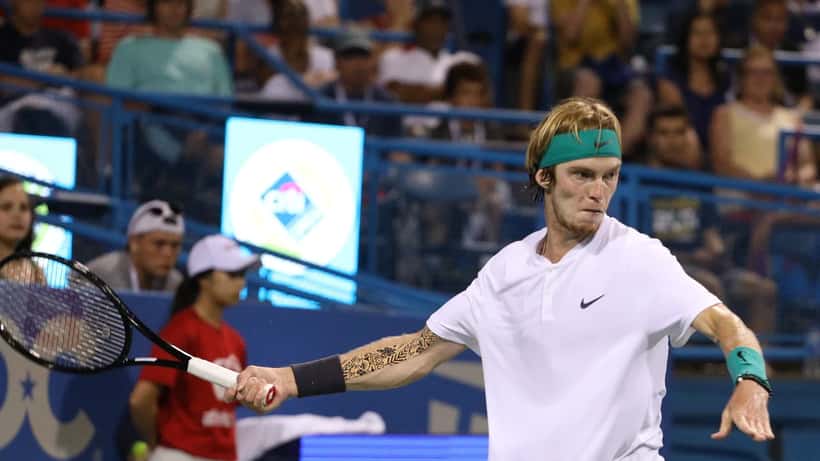
Andrey Rublev reached the Barcelona Open final on April 19, 2026 — his first final in 11 months — while managing an acute shoulder injury that required a medical timeout and pain medication during the tournament. He lost to Arthur Fils 6-2, 7-6(2), but the story that resonated beyond the scoreline was simpler: a top-10 player competing at the highest level with a shoulder he could barely raise without pain.
The injury first appeared at the Rolex Monte-Carlo Masters earlier in April, where Rublev required treatment during a match. Rather than withdraw from Barcelona, he pressed on through four rounds before falling in the final. It is the kind of decision — compete or rest — that millions of recreational athletes face every weekend, with far fewer resources to make the call wisely.
What Rublev's Shoulder Tells Us About Injury Management
Acute shoulder injuries in racquet sports are among the most common and most frequently mismanaged. The shoulder is the most mobile joint in the body, and that mobility comes at the cost of stability. When the rotator cuff, the labrum, or the surrounding tendons are strained or torn, the mechanics of every overhead motion — a tennis serve, a reach across the net, a hard forehand — become both painful and potentially damaging.
Rublev's decision to continue competing through pain is not unusual among professional athletes, where contracts, rankings, and prize money create powerful incentives to play hurt. What is unusual is the level of monitoring he had access to: courtside physiotherapists, real-time pain management, and medical staff who could assess in the moment whether continuing posed an acute risk of serious injury.
Recreational players — weekend tennis players, gym enthusiasts, swimmers — rarely have access to that support. Most rely on a simple test: does it hurt enough to stop? That is the wrong question to ask.
The Signals That Should Send You to a Doctor
Pain is not a reliable indicator of injury severity. Mild, persistent aching in the shoulder during overhead activity can indicate early rotator cuff degeneration that will worsen significantly if ignored. Sharp pain that appears suddenly and fades quickly can indicate a labral tear that becomes a surgical case if not managed early. Dull pain that seems manageable can accompany a stress reaction in the tendons that will evolve into a full rupture under continued load.
The signals worth taking seriously include any of the following:
Pain during rest, particularly at night, is a red flag. The shoulder joint should not hurt when you are not using it. Night pain is associated with rotator cuff tears and inflammatory conditions that do not resolve on their own.
Weakness in specific motions — difficulty lifting the arm to shoulder height, loss of power in external rotation, inability to reach behind your back — points to structural involvement that imaging is needed to characterize.
Clicking, catching, or a sense of instability during movement suggests labral involvement. These symptoms often feel minor but can indicate damage that will limit function long-term without proper treatment.
Pain that has persisted for more than two weeks without improvement, despite rest, is not responding to rest alone. At that point, a sports medicine physician or physiotherapist can determine whether the injury needs imaging, targeted rehabilitation, or a referral to an orthopedic specialist.
Playing Through Pain: When It Is and Is Not Acceptable
Not all pain means you should stop. Mild muscle soreness from exertion — the kind that appears 24 to 48 hours after a hard session and resolves within a few days — is a normal part of training. Sharp, sudden pain during an activity is not the same thing. Pain that changes your movement mechanics, causing you to compensate and load other structures differently, is actively making you more vulnerable to secondary injury.
Rublev's coaching and medical team would have made a real-time assessment: is this pain indicating ongoing tissue damage, or is it severe enough to be managed while competing? That distinction requires training and diagnostic tools. Without those, the safest approach for a recreational athlete is to stop the activity, apply the PRICE protocol (protection, rest, ice, compression, elevation), and seek professional assessment within 48 to 72 hours if symptoms do not resolve.
The cost of continuing to play through a labral tear or partial rotator cuff rupture is months of rehabilitation, potential surgery, and permanent loss of function. The cost of seeing a sports medicine physician early is typically a single appointment.
For more context on how professional athletes' injuries map to everyday sports risks, see how Carlos Alcaraz's adductor tear at the Australian Open illustrates the gap between professional and recreational injury management, and how Kia Nurse's injury story shows why specialist consultation matters at every level of sport.
What a Sports Medicine Specialist Can Do for You
A general practitioner can assess an acute injury and rule out fractures or dislocations. A sports medicine physician or physiotherapist goes further: they assess how the injury relates to your movement patterns, what structures are involved, and what rehabilitation pathway will return you to your sport most effectively. Early specialist involvement is consistently associated with shorter recovery times and better long-term outcomes.
If your shoulder has been limiting your activity for more than two weeks, or if you had a sudden painful incident that resolved but has left you with residual weakness or discomfort, a sports medicine consultation is the appropriate next step. According to Health Canada's physical activity guidelines, musculoskeletal injuries are one of the leading preventable barriers to maintaining an active lifestyle — and most of those injuries are manageable when addressed early.
Rublev competed through his pain and reached a final. Whether that decision was wise will depend on what his shoulder looks like in six months. You do not need to make the same tradeoff. A doctor can help you understand what you are dealing with before it becomes a decision you regret.
Medical disclaimer: This article is for informational purposes only. If you are experiencing shoulder pain or any injury symptoms, please consult a qualified healthcare professional before resuming physical activity.
