 Aria Nguyen
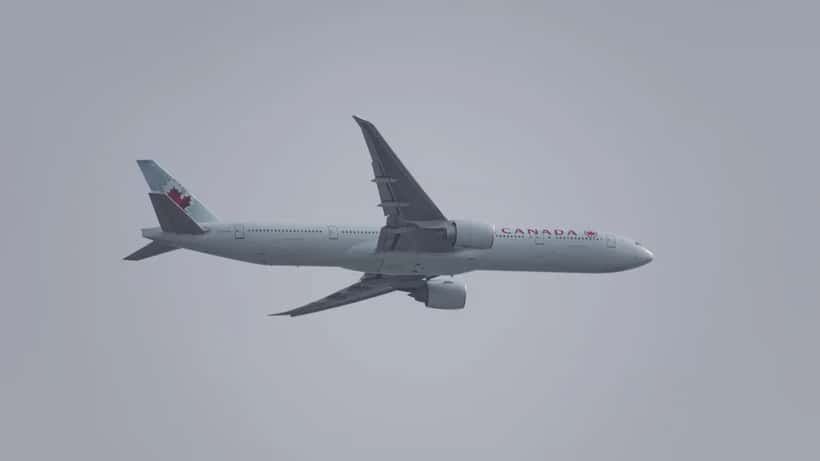
A former Air Canada captain has been hit with a financial penalty by Transport Canada after flying hundreds of commercial flights without the licence required to sit in the left seat. Peel Regional Police are expected to release new details Tuesday, June 9, 2026, through a fraud investigation they have code-named "Project Icarus." Air Canada confirmed the pilot held a valid commercial pilot licence but had been promoted to captain without first obtaining the Airline Transport Pilot Licence (ATPL) mandated by the Canadian Aviation Regulations.
The airline says the discrepancy was caught internally, the captain was pulled from duty, and the matter was voluntarily reported to Transport Canada. An audit of the rest of Air Canada's flight deck identified no other instances of non-compliance, and the carrier maintains that safety was not compromised. Even so, the case is rattling passengers and lawyers — and raising sharp questions about who is liable when a regulator-approved system fails to catch a forged or missing credential.
What Canadian aviation rules actually require
To act as pilot-in-command of a multi-crew commercial aircraft in Canada, a pilot must hold an ATPL issued under Part IV of the Canadian Aviation Regulations. That licence sits one tier above the commercial pilot licence (CPL) the Air Canada captain reportedly held. Among other things, an ATPL requires 1,500 hours of flight time, an instrument rating, multi-crew experience, and the successful completion of advanced theory and simulator exams.
Transport Canada's enforcement framework allows monetary penalties of up to $5,000 per offence for individuals and significantly higher fines for corporations. Repeat or aggravated breaches can lead to licence suspension or criminal prosecution under the Aeronautics Act. The fact that the pilot in this case received a financial penalty — rather than a licence revocation alone — suggests Transport Canada concluded the violation was sustained over a meaningful period, not a paperwork lapse.
Why a fraud investigation, not just a regulatory file
Peel police did not stumble into this case by accident. "Project Icarus" is being run as a fraud investigation, which means investigators believe documents may have been falsified or misrepresented to Air Canada, to Transport Canada, or to both. Under section 380 of the Criminal Code of Canada, fraud over $5,000 carries a maximum penalty of 14 years in prison. If the captain knowingly accepted a salary, benefits, or seniority based on a credential he did not hold, prosecutors could build that case quickly.
Aviation lawyers consulted on similar files note that fraud charges in licensing matters typically hinge on two questions: did the accused know the credential was missing or invalid, and did anyone in a supervisory chain look the other way. The answers will determine whether the police file stops at one pilot or expands into a wider corporate investigation.
Passenger rights when crew credentials are in doubt
For passengers, the most pressing question is simple: do I have a claim if I was on one of those flights? The short answer in Canada is "probably not on safety grounds alone." Canadian courts and the Canadian Transportation Agency have consistently held that the absence of harm — no crash, no injury, no diversion — means there is no compensable loss under tort principles, even if a regulatory breach occurred.
Where claims become more viable is on the contractual and consumer-protection side. The Air Passenger Protection Regulations cover delays, cancellations, and denied boarding, but they do not directly address crew licensing. Passengers who feel they were misled about the qualifications of crew operating their flight may have stronger ground under provincial consumer protection statutes, particularly if they paid premium fares advertised as "captained by senior pilots."
A consultation with an aviation or consumer protection lawyer is the right next step before assuming a claim exists. Most firms will offer a free initial review and can quickly tell whether the file is worth pursuing.
What pilots and aviation employees should learn
The Project Icarus case is also a warning for anyone working in regulated professions where credentials are tied to seniority and pay. Employees who discover that a colleague — or a supervisor — is operating without the proper licence have a narrow but well-protected path under Canada's whistleblower frameworks. The Public Servants Disclosure Protection Act covers federal employees, while several provinces have parallel statutes for private-sector workers in safety-sensitive industries.
For pilots themselves, the takeaway is sharper. Holding a commercial pilot licence and flying as captain on a transport-category aircraft are not the same thing. Accepting a captain's seat without the corresponding ATPL exposes the pilot to monetary penalties, criminal liability, and the near-certain end of their flying career.
When to call a lawyer
There are at least four scenarios in which a Canadian should speak to a lawyer about this story:
- Passengers who flew on routes operated by the captain in question and believe they overpaid based on misleading advertising about crew qualifications.
- Air Canada employees who reported concerns about licensing or supervision and now want to understand their whistleblower protections.
- Other pilots whose own credential files may need an external review before Transport Canada audits expand.
- Insurance claimants with pending or recent files tied to flights the captain operated, since liability arguments may shift if the breach is confirmed.
An aviation lawyer or consumer rights specialist can review the specific dates, ticket records, and any correspondence with the airline to determine whether a claim is realistic. Many of these files have short limitation periods — typically two years from the date the cause of action was discovered — so waiting for the police investigation to finish before consulting counsel is rarely the right strategy.
The bigger picture
Project Icarus matters beyond one pilot's career. It is a stress test of the licensing audits Transport Canada conducts on commercial carriers and the internal compliance systems airlines run on themselves. If the case widens, expect Ottawa to revisit the frequency of credential cross-checks and the consequences for airlines that fail to spot a missing licence on their own roster. For Canadian travellers, the most useful response is also the simplest: know that you do have rights, know that limitation periods are short, and know that an expert consultation is the fastest way to find out whether your file is one of the ones worth pursuing.
