 Fred Rivers
Kolkata Knight Riders spinner Varun Chakaravarthy missed his side's must-win IPL 2026 clash against Royal Challengers Bengaluru on 13 May 2026, with skipper Ajinkya Rahane confirming at the toss that the wrist-spinner was sidelined with a leg injury. Footage of Chakaravarthy walking with a cane and protective boot the day before the Raipur match — alongside reports of unhealed fractures in his left hand — turned an internal team issue into a question every overseas player in the IPL has asked at some point: who picks up the bill when a contracted star can no longer take the field?
For Australian cricketers — past, present and contracted — that question has a uniquely Australian answer.
What Actually Happened in Raipur
Chakaravarthy walked off mid-spell against Delhi Capitals earlier in the season. KKR's medical staff initially described the issue as a "niggle", but assistant coach Shane Watson confirmed on the eve of the RCB game that Chakaravarthy had been sore through the last two matches. The cane-and-boot images that surfaced on 12 May ended any speculation. Saurabh Dubey was handed an IPL debut in his place.
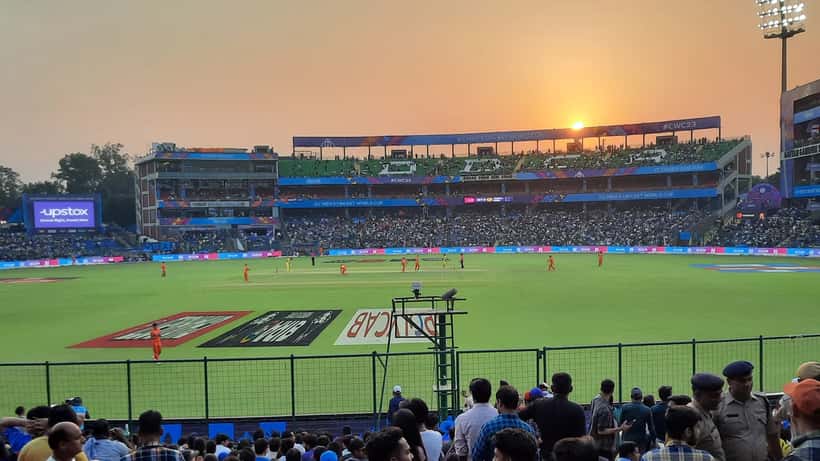
RCB capitalised. Virat Kohli scored an unbeaten 105 in his milestone game at the Shaheed Veer Narayan Singh International Cricket Stadium in Raipur, chasing down KKR's total comfortably. KKR's playoff hopes — already thin — took a heavy hit.
The cricketing fallout is one story. The contractual story is the one Australian players, agents and their lawyers are watching.
How IPL Contracts Treat Injuries — In Plain English
An IPL contract is a fixed-fee deal tied to availability. When a player signs for a franchise at auction, the contract value is typically paid in three or four instalments across the tournament. If a player becomes unavailable, the franchise's obligations depend on three things: the cause of unavailability, the timing of the injury, and the wording of the player's specific contract.
For an injury sustained while playing for the franchise (as Chakaravarthy's appears to be), the player is generally entitled to their full contract value provided they were available at the start of the tournament. The BCCI's player regulations require franchises to maintain insurance covering player injury, and the franchise typically continues paying the remaining instalments while the player recovers.
For an injury sustained before joining the franchise — including injuries from national team duty — the position is more complicated. Some contracts contain pre-existing condition exclusions. A franchise's right to withhold payment, or to replace the player in the squad, is governed by the player's release form and the BCCI's bilateral arrangements with the player's home board.
Where Cricket Australia Comes In
Australian cricketers playing in the IPL hold a release from Cricket Australia rather than a No Objection Certificate alone. The release typically conditions overseas participation on the player remaining fit for subsequent national duty. Cameron Green's earlier IPL back issue is the textbook example — Cricket Australia's medical team retains the right to recall a contracted player who appears to be aggravating a known injury, and the Australian Cricketers' Association is usually involved in any dispute.
For more on how that release framework operates in practice, see our coverage of Cameron Green's IPL back injury and Australian cricket's recovery protocols. The same framework would apply to any future Chakaravarthy-style injury affecting a contracted Australian on IPL duty.
The other Australian piece is tax. Income earned during an IPL season is subject to Indian withholding tax and is treated as foreign-sourced income for Australian tax residents. An injury that ends a player's tournament early does not necessarily change the tax treatment of instalments already paid — but it can affect superannuation contributions if the player is engaged under an employee-style arrangement back home.
The Insurance Layer Most Fans Don't See
The image of Chakaravarthy walking with a cane masks a sophisticated insurance ecosystem. IPL franchises typically hold three policies relevant to a story like this. Public liability insurance covers fan and staff injuries at the venue. Player accident insurance covers the franchise's exposure if a contracted player is injured during franchise duty. Loss-of-services insurance — less common — covers the franchise's commercial exposure when a star player is unavailable for marquee fixtures.
Players themselves often hold individual loss-of-earnings policies, especially specialists like Chakaravarthy, whose marketable skill is concentrated in a short tournament window each year. Premiums are not cheap. Cover for a Tier 1 IPL specialist can run into hundreds of thousands of US dollars annually.
For Australian cricketers, the central question is whether their personal cover extends to injuries sustained on franchise duty in India. Most modern policies do, but a brief "country exclusions" clause buried in the schedule can change the answer. A contract lawyer will read the policy as carefully as they read the IPL deal itself.
When the Australian Legal System Gets Involved
Contract disputes between IPL franchises and overseas players are generally arbitrated under BCCI rules. But aspects of an overseas player's commercial relationships — endorsement contracts, social media deals, image rights — typically sit in their home jurisdiction. An Australian player whose injury triggers an endorsement clawback can find themselves litigating in two countries at once.
The Fair Work Ombudsman's general guidance on professional athletes' employment status is the best starting point for understanding how Australian law characterises these arrangements — see the Fair Work Ombudsman site for an overview. The classification of a professional athlete as an independent contractor rather than an employee shapes everything that follows: workers' compensation, superannuation, and the right to bring an unfair dismissal claim.
For overseas cricketers more generally, our piece on the legal contract complexities Australian cricketers face when they sign in overseas leagues tracks how franchise contracts interact with home-board release frameworks.
What This Means for Aussie Players Watching
The Chakaravarthy story is unlikely to become a contract case — KKR appears to be handling the spinner's payment in line with normal practice. But the visibility of his injury has prompted a quieter conversation in Australian cricket circles. Several Aussie players currently contracted to IPL franchises are heading into their off-season carrying knocks. A frank conversation with a sports lawyer and an insurance broker — before the next tournament starts, not after an injury — is what most player welfare specialists recommend.
For fans watching the Raipur scoreboard, the cricket lesson is straightforward: never write off a Kohli century when the situation calls for one. For Australian cricketers and their agents, the lesson is contractual: the contract you signed at the auction matters less than the insurance policy and release framework around it.
This article provides general legal and financial information only. Players, agents and clubs considering contract or insurance disputes should consult an Australian sports lawyer admitted in the relevant jurisdiction.
