 Fred Rivers
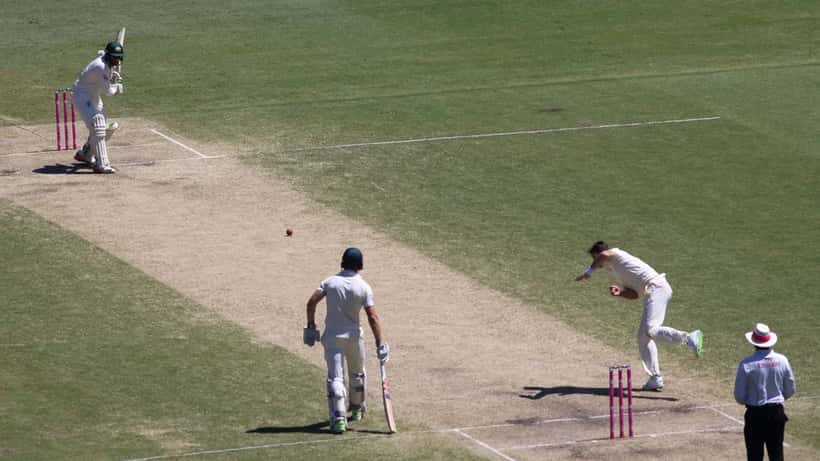
The Sunrisers Hyderabad faced the Kolkata Knight Riders in Match 45 of IPL 2026 on 3 May at Rajiv Gandhi International Stadium, Hyderabad. Two players walked away with official code-of-conduct fines. Abhishek Sharma (SRH) was docked 25 per cent of his match fees for verbally abusing an umpire, while Angkrish Raghuvanshi (KKR) received a 20 per cent penalty for equipment abuse following a controversial "obstructing the field" dismissal. For Australian fans watching Pat Cummins captain SRH — or tracking Cameron Green, the most expensive overseas player in this season's auction at A$4.27 million — these incidents raise a question rarely asked in match coverage: when a professional cricketer is fined for misconduct, what legal rights do they actually have?
What Is a Code-of-Conduct Violation in Professional Cricket?
Every major cricket board, including the BCCI (which governs the IPL) and Cricket Australia, maintains a formal code of conduct for players, coaches, and officials. Violations are categorised by severity:
- Level 1 offences (minor): Dissent, abuse of equipment, excessive appealing — typically fines of 10–50 per cent of match fees.
- Level 2 offences (moderate): Physical contact with an umpire or deliberate distraction — fines of 50–100 per cent plus possible suspension.
- Level 3 and 4 offences (serious): Assault, pitch damage, match-related corruption — multi-match bans and potential lifetime disqualification.
Both Sharma and Raghuvanshi received Level 1 penalties. That means financial consequences, not suspensions — but fines go on a player's official record and carry weight in future disciplinary proceedings if further incidents arise.
Australian Players Under Foreign Jurisdiction
For Australian cricketers competing in the IPL, there is a layer of legal complexity that goes largely unreported. Pat Cummins, Travis Head, and Cameron Green are employed by IPL franchises under contracts governed by BCCI regulations — not Australian law.
Any dispute about match fees, code-of-conduct penalties, or employment conditions would initially be heard through BCCI's internal appeal mechanism, not Fair Work Australia or an Australian civil court. Beyond that, international arbitration clauses typically apply — often under the International Cricket Council (ICC) arbitration framework.
This matters because Australian employment law protections, including unfair dismissal rights and enterprise agreement entitlements, do not automatically extend to work performed in India under the jurisdiction of an Indian governing body. For players earning significant sums in the IPL, this distinction can have real financial consequences if a dispute escalates.
When Should an Athlete Consult a Sports Lawyer?
Code-of-conduct fines can feel routine, but they carry long-term implications for a professional career. There are four scenarios where legal advice is particularly important:
Before signing a contract: Reviewing the dispute-resolution clause, the definition of code-of-conduct breaches, and what automatic penalties apply. Many players sign IPL contracts without fully understanding that fines can be imposed within 24 hours of an incident, with limited right of reply at the initial stage.
After receiving a fine: Assessing whether the penalty was correctly applied under the relevant code, and whether grounds exist to appeal. In Raghuvanshi's case, the controversial "obstructing the field" dismissal sparked significant debate about whether the decision itself was valid — a point a sports lawyer would examine before advising on next steps.
When facing suspension: A suspension materially affects earning capacity. For Australian players in the A$500,000-plus bracket per IPL season, even a two-match ban represents substantial lost income. Legal advice is essential before accepting any suspension.
When contracts end or are terminated: Understanding payout entitlements, confidentiality obligations, and whether restraint-of-trade provisions are enforceable in Australia after an overseas contract expires.
Sports Integrity Australia, the federal government body responsible for protecting the integrity of sport in this country, sets out that athletes have a right to procedural fairness in disciplinary processes — including the right to be informed of allegations, to respond, and to have matters determined impartially. Understanding these rights before signing international contracts is the first step to enforcing them.
The KKR Over-Rate Fine: A Different Kind of Penalty
Beyond individual player penalties, KKR were also fined INR 12 lakh (approximately A$22,000) for failing to maintain the required over-rate during the match. Over-rate penalties are levied against the franchise, not individual players — but they affect team budgets and can influence squad selection decisions down the line.
For Australian fans who serve as cricket administrators, club treasurers, or association officials, over-rate penalties are a useful reminder that sports governance imposes financial consequences for procedural failures, not just for on-field misconduct. At any level of the game, understanding what your club's obligations are — and what penalties apply — can save significant money and reputational damage.
What Local Clubs and Administrators Should Take Away
While the IPL operates at a scale most Australian sporting bodies will never reach, the principles of code-of-conduct law apply at every level. Local cricket clubs, football associations, and state sporting bodies in Australia all operate under their own conduct frameworks — and many lack clear, documented internal appeal procedures.
If your club or association faces a misconduct complaint, or if an athlete receives a suspension they believe is unjust, speaking with a lawyer who specialises in sports law early in the process can clarify rights and obligations before the situation escalates.
You can also find related reporting on past Australian athlete legal cases in our earlier analysis of how sports stars navigate legal penalties in Australia.
Sports Law in Australia Is a Growing Field
The profile of sports disputes has grown significantly in Australia over the past decade. From salary cap breaches to player welfare investigations, the intersection of employment law, contract law, and sports governance is increasingly complex territory.
The SRH vs KKR match on 3 May 2026 is one snapshot of how code-of-conduct rules operate at the elite level. But for any Australian athlete, coach, official, or administrator watching, it is also a reminder that professional sport is governed by formal legal frameworks — and that expert legal advice can make a material difference when those frameworks are triggered.
If you or someone you know is navigating a code-of-conduct process, a contract dispute, or a governance question in sport, an experienced sports lawyer can help you understand your position from the outset.
