 Mark Taylor
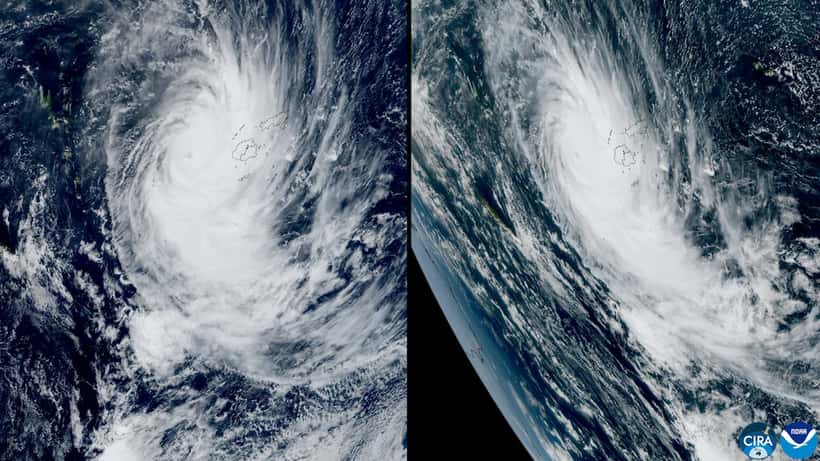
Tropical Cyclone Vaianu is churning toward New Zealand's North Island on 10 April 2026, prompting emergency warnings across the country. With gusts forecast up to 140 km/h and rainfall exceeding 200mm in some areas, Australian homeowners are asking the same question New Zealanders are: is my home actually ready for severe weather — and what should I do after a major storm hits?
Cyclone Vaianu: What's Happening Right Now
New Zealand's National Emergency Management Agency (NEMA) issued 18 weather alerts on 10 April 2026 as Cyclone Vaianu tracked southwest from Fiji. The Category 3 storm is expected to make landfall over the North Island over the weekend of 11-12 April, bringing damaging winds, coastal inundation and potentially life-threatening flash flooding, according to MetService New Zealand.
While the direct threat to mainland Australia is limited, cyclone season affects northern Australia annually — and the storms that hit New Zealand are a reminder that no coastal home is immune to extreme weather risk. In 2025-2026, Australia's Bureau of Meteorology recorded six named tropical cyclones affecting Australian waters, above the long-term average of four.
The Hidden Danger: Structural Damage You Can't See
After any severe weather event — cyclone, storm surge, or extreme rainfall — the visible damage (broken windows, fallen fences, flooded floors) is obvious. The dangerous damage is what you cannot see.
Structural issues that typically emerge after severe storms include:
Foundation movement: Heavy rainfall and flooding saturate soil around foundations, causing settlement or shifting that may not manifest as visible cracks for weeks or months. In Queensland and northern NSW, properties on reactive clay soils are especially vulnerable.
Roof frame stress: High winds create negative pressure (uplift) on roofs, which can loosen fixings and weaken the connection between the roof frame and the wall plate — even when the roof itself remains intact. A roof that "survived" a cyclone may be structurally compromised for the next one.
Waterproofing failure: Sustained rainfall can penetrate micro-cracks in render, flashing, or roof membranes that were previously adequate. Water ingress causes mould growth within wall cavities — a health hazard that becomes apparent only months later.
Retaining wall instability: Soil saturation significantly increases lateral pressure on retaining walls. Walls that appear intact may be at risk of sudden failure, particularly on sloped blocks.
When Should You Call a Building Inspector?
Most Australian homeowners are unsure when a professional assessment is warranted versus when they can manage the aftermath themselves. According to the Australian Institute of Building Surveyors (AIBS), a qualified building inspector should be engaged after any storm where:
- Wind gusts exceeded 100 km/h in your area
- Visible water entered the building envelope (not just surface flooding)
- You notice new cracks in walls, ceilings or foundations
- Retaining walls or fences have moved or leaned
- The property has an existing drainage issue that worsened
For properties in Queensland, the Northern Territory or Western Australia — which fall within the formal cyclone zone — the Australian Building Codes Board recommends structural inspections after any cyclone-rated event, regardless of apparent damage.
"Homeowners often underestimate post-event risk because they don't see immediate damage," says the Australian Institute of Building Surveyors. "By the time structural issues become visible, the cost of repair is typically 2-4 times higher than if caught early."
Cyclone-Ready Homes: What Australian Standards Require
Australia has specific construction standards for cyclone-prone regions under AS 1684 (residential timber-framed construction) and the National Construction Code. Homes built before 1985 in Queensland's cyclone zone were often not built to current standards and may lack adequate tie-down systems connecting the roof, walls and foundations.
A building inspector can assess whether older homes have been retroactively upgraded and whether the cyclone-resistance rating of the structure is appropriate for current risk forecasts — which have shifted northward as climate patterns change.
The Insurance Angle: Document Before You Claim
Before storm damage is repaired, comprehensive photographic and video documentation is essential for insurance claims. Insurers routinely reject claims where damage cannot be clearly attributed to the weather event, or where repairs were made before loss was assessed.
A building inspector's written report provides the third-party evidence insurers require. For properties with significant structural damage, a structural engineer's report (separate from a building inspection) may also be necessary to support major claims.
Key steps after a cyclone or severe storm:
- Document everything before touching or moving damaged materials
- Make only emergency temporary repairs (tarping, boarding windows) to prevent further damage
- Contact a building inspector for a professional condition assessment
- Submit your insurance claim with the inspection report attached
- Do not start permanent repairs until your insurer has assessed the claim
How Expert Zoom Can Help
After a major weather event, licensed building inspectors and structural engineers are in high demand — wait times can stretch to weeks. Expert Zoom connects Australian homeowners with qualified building and construction experts who can provide professional advice online, helping you understand the urgency of your situation, what documentation to prepare, and whether emergency structural assessment is required.
For homeowners in storm-affected areas, getting the right professional advice quickly is the difference between a manageable repair and a structural failure. Don't wait until the next storm to find out how prepared your home really is.
