 Chloe Wilson
Ausar Thompson's 2026 Playoff Heroics: What Every Australian Basketball Player Needs to Know About Defensive Injuries
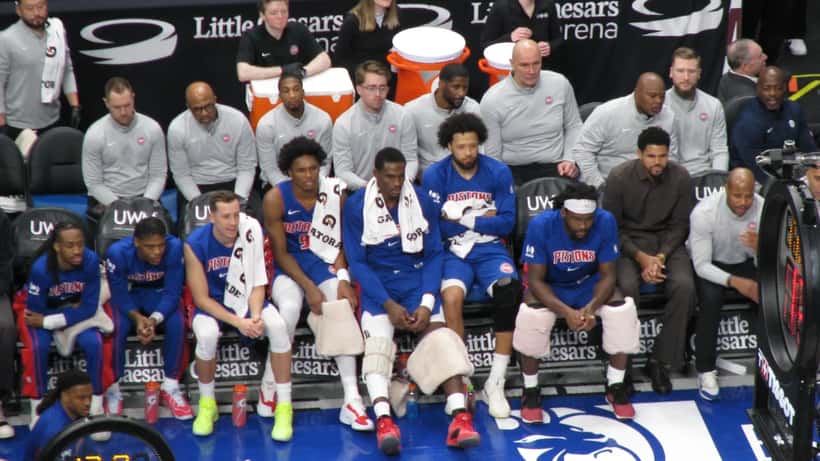
Ausar Thompson is quietly becoming one of the most compelling stories of the 2026 NBA Playoffs. The Detroit Pistons forward contributed 11 points, 8 rebounds, and 5 assists in Game 1 of the Eastern Conference Semifinals against the Cleveland Cavaliers, adding to a regular season that saw him ranked third in the NBA in steals (2.6 per game) and fourth in blocks (2.0 per game). His twin brother Amen Thompson attended Little Caesars Arena on 5 May 2026 to watch him play, a moment that went viral across social media.
For Australian basketball players watching the Pistons' playoff run, Thompson's performance prompts a useful question: what does it physically take to play at that level of defensive intensity — and what are the risks that come with it?
The Physical Demands of Elite Defensive Play
Thompson's defensive style is characterised by high-effort lateral movement, frequent shot contests, quick directional changes, and physicality in the post. According to data from NBA.com, he averaged 2.3 steals and 2.3 blocks per game across Detroit's first-round series against the Orlando Magic, which concluded on 3 May 2026 — numbers that require a level of athletic output most players sustain for only short bursts.
For amateur players at any level, replicating that style carries specific injury risks that are often underestimated. Defensive basketball places different demands on the body than offensive play. The most common injuries among defensive-focused players include:
Ankle sprains — the most frequent basketball injury across all positions, occurring most often during lateral defensive cuts or when landing from a shot-contest attempt. High ankle sprains, which involve the ligaments above the ankle joint, are significantly more debilitating than standard lateral sprains and can take 6-12 weeks to resolve without proper treatment.
ACL and knee ligament tears — sudden direction changes at speed, particularly during defensive rotations, are a primary mechanism for anterior cruciate ligament injury. ACL reconstruction in Australia typically involves 9-12 months of rehabilitation before return to competitive play.
Shoulder and rotator cuff injuries — shot-contesting, boxing out, and physical contact in the paint load the shoulder repeatedly. Over time, rotator cuff tendinopathy is common in players who contest shots frequently without adequate recovery.
Finger fractures and dislocations — steals and deflections regularly result in awkward finger contact. Untreated or improperly treated finger injuries can result in chronic stiffness and reduced grip strength.
What Australian Basketball Players Often Get Wrong
At community and club level across Australia, the most common mistake is continuing to play through minor injuries because they feel manageable. A "rolled ankle" in Week 1 of the season that isn't assessed by a sports medicine professional often becomes a chronic instability issue by Week 8.
Research from Sports Medicine Australia consistently shows that athletes who receive early physiotherapy intervention after soft tissue injuries return to play significantly faster than those who manage injuries independently. For a weekend warrior playing in a suburban league, that difference matters — both for performance and for keeping injuries from becoming long-term problems.
The other common issue is inadequate warm-up specific to defensive movement. Most recreational players perform a generic warm-up focused on forward running, which does not activate the hip flexors and adductors engaged during lateral slides. A sports health professional can design a position-specific warm-up protocol tailored to defensive or high-effort play.
When to See a Sports Health Specialist
The general indicators that a basketball injury warrants professional assessment include:
- Swelling that persists beyond 48 hours after an ankle or knee injury
- Joint instability — a feeling that your ankle, knee, or shoulder "gives way"
- Pain that changes your gait or alters how you're landing
- A pop or click at the moment of injury followed by rapid swelling
- Finger injuries that affect your range of motion after the initial swelling subsides
The Australian Institute of Sport recommends that recreational athletes not attempt to self-diagnose soft tissue injuries beyond basic RICE (Rest, Ice, Compression, Elevation) management in the first 24-72 hours. After that window, professional assessment is strongly indicated for anything beyond a minor bruise.
Watching Thompson — and Thinking About Your Own Game
The 2026 NBA Playoffs are a reminder of what elite athletes put their bodies through at the highest level. Thompson's performance in the Eastern Conference Semifinals has made him one of the breakout stars of the postseason, and his defensive dedication is worth appreciating.
For Australians who play basketball — at any level — his style also serves as a prompt to think about preparation, recovery, and when to seek expert help. A sports health specialist through ExpertZoom can assess your current injury risk, review your warm-up routine, and provide professional guidance on managing the demands of competitive basketball.
Playing at full intensity is the point. Getting hurt and staying hurt doesn't have to be part of the story.
This article provides general information only and does not constitute medical advice. For advice specific to your situation, consult a qualified health professional.
