 Chloe Anderson
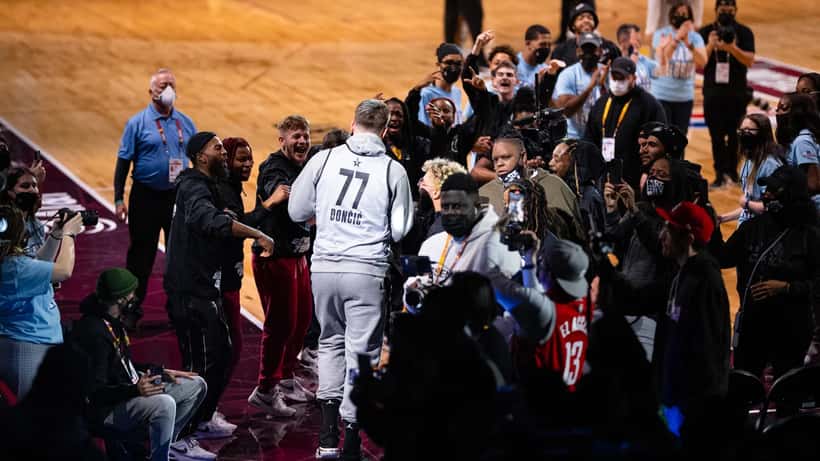
Los Angeles Lakers superstar Luka Dončić is out of the NBA playoffs after tearing his left hamstring on April 2, 2026, during a game against the Oklahoma City Thunder — and even elite-level stem cell therapy in Spain hasn't fast-tracked his return. For Australian weekend athletes dealing with similar strains, his case is a revealing case study in why hamstring injuries demand professional medical attention, not willpower.
What Happened to Dončić — and What It Tells Us
Dončić aggravated the injury in the third quarter of the Lakers' regular season match and left the court visibly distressed. Imaging confirmed a Grade 2 hamstring strain — a partial muscle tear affecting the left hamstring. The NBA's standard recovery window for this grade is four to six weeks, placing a potential return in early May 2026.
What makes the Dončić case medically notable is that the Lakers' medical team and Dončić's camp elected to pursue stem cell-based regenerative therapy in Madrid, Spain, under Dr. Javier Barrio, a sports medicine specialist connected to Real Madrid's elite athlete programme. This is not standard recovery protocol; it reflects the lengths professional sports organisations will go to when a player of Dončić's calibre — and contract value — is involved.
Despite this advanced intervention, the injury still requires a minimum of several weeks before return to play is considered safe. According to reporting by CBS Sports in April 2026, Dončić is set to return from Spain ahead of the Lakers' opening playoff series against the Houston Rockets, but remains listed as out indefinitely.
Grade 2 Hamstring Strains: The Medical Reality
The hamstring is a group of three muscles at the back of the thigh that control knee flexion and hip extension. A Grade 2 strain means the muscle fibres are partially torn — not completely ruptured (Grade 3), but significantly more than microscopic microtear damage (Grade 1).
In clinical terms, Grade 2 hamstring strains present with:
- Localised swelling and bruising within 24–48 hours
- Significant pain on resisted knee flexion
- Reduced range of motion and difficulty walking normally at injury onset
- Often a sensation of a "pull" or "pop" at the moment of injury
Recovery involves an initial phase of rest and anti-inflammatory management, followed by progressive loading through physiotherapy. Attempting to return to sport before adequate healing dramatically increases re-injury risk — and re-injury of a hamstring tends to be more severe than the original event.
Why This Matters for Australian Weekend Athletes
Hamstring strains are among the most common soft tissue injuries in Australian recreational sport. Football (both codes), cricket, running, and tennis all create conditions for hamstring stress — particularly when athletes are fatigued, inadequately warmed up, or returning to activity after time off.
The pattern is predictable: a player feels a twinge, takes a few days off, then returns assuming the pain has resolved. Clinically, what resolves quickly is the acute inflammation — the actual tissue repair process takes weeks to months depending on grade. This is why so many amateur athletes re-injure the same muscle repeatedly over a season.
A sports medicine doctor or physiotherapist can conduct a clinical assessment that distinguishes Grade 1 from Grade 2 or higher strains — a distinction that determines whether return to sport in one week or one month is appropriate. They can also order imaging where warranted and provide a structured rehabilitation protocol.
The Stem Cell Question
Dončić's stem cell therapy in Spain reflects genuine interest in regenerative medicine within elite sport. The approach typically involves injecting platelet-rich plasma (PRP) or stem cell concentrates directly into the site of the muscle tear to accelerate tissue repair.
Evidence for PRP in hamstring injury is moderately positive — research suggests it may reduce healing time modestly — but the data is not yet definitive enough to make it standard care outside elite settings. For recreational athletes in Australia, the priority is accurate diagnosis, conservative rehabilitation, and evidence-based return-to-sport protocols, which a sports medicine physician can guide.
What to Do If You've Felt That "Pull"
If you experienced a sudden sharp pain at the back of your thigh during sport — particularly at full sprint, or kicking a ball — don't dismiss it. Apply the RICE protocol immediately (rest, ice, compression, elevation), but then see a medical professional within 48 hours.
Key reasons to book a consultation promptly:
- Early grading of the injury guides rehabilitation decisions
- Anti-inflammatory management is most effective in the acute phase
- A physiotherapist can identify contributing factors (hip weakness, poor flexibility) that increase re-injury risk
- Some Grade 2 strains are borderline Grade 3 and benefit from early imaging to rule out complete rupture
The Australian Institute of Sport's health information resource at ais.gov.au provides guidance on sports injury management and when professional care is warranted.
Even Luka Dončić — with access to the most advanced sports medicine on the planet — cannot rush a Grade 2 hamstring strain back in a week. If it can bench the best basketball player in the world, it can bench you. See a doctor.
This article is for general informational purposes only and does not constitute medical advice. Consult a qualified health professional for any injury assessment or treatment.
