 Olivia Taylor
Algeria drew 0-0 with Jordan at Levi's Stadium in the San Francisco Bay Area on 22 June 2026, leaving the Desert Foxes on the brink of elimination at the FIFA World Cup 2026. With one point from two games in Group J — following their opening 0-3 defeat to Argentina — Riyad Mahrez's side face a near-mathematical impossibility in the final round. Yet for Australian sports fans watching the tournament, the story of Algeria's 35-year-old captain is prompting a question far beyond football: how do older athletes know when their bodies need professional help?
Algeria on the Edge in Group J
Group J at the 2026 World Cup has been unforgiving. Argentina, the defending champions, dismantled Algeria 3-0 in the opening match at the Rose Bowl on 17 June, leaving Vladimir Petkovic's squad needing a win in every remaining game. The collision with Jordan at Levi's Stadium — both sides desperate for their first points — ended in a goalless stalemate that does little to help either nation.
Algeria had the better of possession in the second half, with efforts from Bensebaini and substitute Mahrez drawing saves from the Jordanian goalkeeper. But the breakthrough never came. Both Algeria and Jordan now sit on one point, with Argentina virtually certain to top the group. Unless a dramatic final-round result occurs, Algeria's first World Cup since 2014 will end in the group stage.
Coach Petkovic described the result as "deeply disappointing" after the final whistle, noting that his team "created chances but lacked the clinical edge when it mattered most."
Riyad Mahrez: Managing Football's Greatest Years at 35
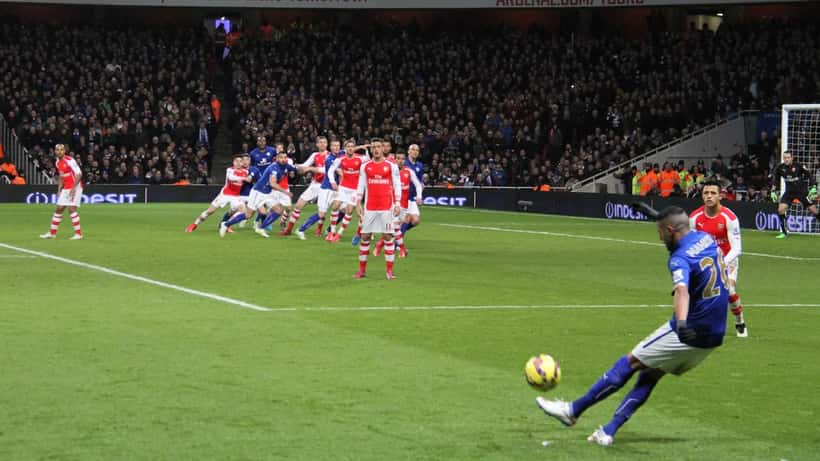
Few storylines at this World Cup have attracted as much attention as the fitness management of Algeria's captain. Mahrez, 35, has spoken openly about this being his last major tournament — a final chapter in a career that took him from modest beginnings in suburban Paris to Premier League stardom at Leicester City and Manchester City, and ultimately to the Saudi Pro League.
What makes Mahrez's situation so instructive is the careful management of his minutes. Against Argentina in the opener, he started but was substituted before the 70-minute mark. Against Jordan, he came off the bench entirely. The Algerian coaching staff have been cautious throughout — not because Mahrez lacks quality, but because the body of a 35-year-old elite athlete requires different handling than it did a decade ago.
This is a reality that thousands of recreational athletes across Australia confront every year. Whether you are a masters swimmer in Brisbane, a competitive trail runner in the Blue Mountains, or a weekend football player in suburban Melbourne, the question eventually becomes unavoidable: when does a niggle, a slower recovery, or a dip in performance mean it is time to see a sports medicine specialist?
5 Signs an Over-35 Athlete Should See a Sports Medicine Specialist
1. Recovery takes significantly longer than before
If you once bounced back from a hard training session in 24 hours but now need 48 to 72 hours to feel normal again, this is a meaningful physiological shift. Extended recovery in athletes over 35 can signal changes in muscle protein synthesis, hormonal fluctuations, or early overtraining syndrome. A sports medicine specialist can assess your recovery profile and recommend targeted interventions to address the underlying cause.
2. Recurring niggles that never fully resolve
A persistent hamstring tightness, a knee that clicks but never quite hurts enough to stop you training, or a shoulder that "just needs stretching" — these are the hallmark complaints of the ageing athlete who is ignoring what their body is telling them. According to Sports Medicine Australia, early professional assessment of recurring soft tissue complaints significantly reduces the risk of progression to more serious injury requiring extended rehabilitation.
3. Performance has declined beyond what training load explains
If you are training consistently but personal bests are slipping, strength is fading, or your endurance feels flat, something beyond normal training variability may be occurring. A sports medicine specialist can screen for iron deficiency anaemia, vitamin D insufficiency, hormonal decline, or sleep disorders — all of which disproportionately affect athletes over 35 and all of which are treatable.
4. Sleep quality is poor and affecting training
Sleep architecture changes significantly with age, with the deep stages becoming shorter. For an athlete, this matters enormously: growth hormone is released primarily during deep sleep, and impaired sleep directly lengthens recovery time and accelerates muscle loss. If you are sleeping seven or eight hours but waking unrefreshed, this deserves clinical assessment rather than an extra cup of coffee.
5. Sudden drop in motivation or mood linked to physical training
What presents as burnout in older athletes can sometimes be a marker of testosterone deficiency, thyroid dysfunction, or early-stage depression linked to hormonal changes. A sports medicine specialist experienced with masters athletes can order a targeted panel of blood tests to distinguish psychological from physiological causes — and design a programme that addresses both.
Why Professional Guidance Matters More as You Age
Mahrez's carefully managed minutes at the 2026 World Cup are not a sign of decline — they are evidence of elite sports science applied intelligently to a 35-year-old body operating under tournament pressure and North American summer heat. The same principle applies to recreational athletes across Australia.
The window for effective intervention narrows with age. A soft tissue issue ignored at 35 becomes a structural problem at 40. A hormonal imbalance left unaddressed for two years is harder to correct than one caught early. The athletes who continue performing well into their forties are not genetically different from those who cannot — they are, in most cases, better supported.
Whether Algeria produce a result in their final group game or exit the tournament, the Mahrez story is a reminder that the body of a mature athlete deserves the same strategic attention that a professional coaching staff gives to a World Cup captain. For Australian athletes experiencing any of the five signs above, connecting with a qualified sports medicine specialist is the most important move you can make.
ExpertZoom links Australians with experienced sports medicine doctors and health specialists who understand masters athletics — so you can keep training smarter, recovering faster, and staying competitive for years to come. You can also read about what is at stake for athletes managing World Cup bonus structures in the current Group J standings.
This article provides general health information only and does not constitute medical advice. Consult a qualified sports medicine professional for individual diagnosis and treatment.
