
 Chloe Harris
Australia's exotic pet regulations are tightening significantly in 2026, with updated permit requirements for several reptile, bird, and invertebrate species, and outright bans on animals previously tolerated in some states. If you currently own an exotic species — or are considering one — the changes under the federal Biosecurity Act 2015 and updated state wildlife legislation apply to you directly. Here is what you need to know.
Australia's Exotic Pet Legal Framework: Why It Stands Alone
Australia operates one of the most restrictive exotic animal import and ownership regimes in the world — and for good reason. The continent's geographic isolation has allowed native species to evolve without exposure to predators and diseases common elsewhere. When exotic animals escape or are released, the consequences can be catastrophic and effectively permanent.
Two primary federal laws govern exotic pet ownership: the Biosecurity Act 2015, which controls the import and movement of live animals into and within Australia, and the Environment Protection and Biodiversity Conservation Act 1999 (EPBC Act), which protects native species from illegal trade and manages Australia's obligations under the Convention on International Trade in Endangered Species of Wild Fauna and Flora (CITES).
The Department of Agriculture, Fisheries and Forestry (DAFF) maintains the Live Import List — the definitive federal register of exotic animals permitted to be brought into Australia. Only species explicitly listed may be legally imported. Everything else is prohibited by default, regardless of whether it is available commercially overseas.
State and territory governments add a second layer of regulation. A species permitted under federal law may still require a separate state permit, a microchip, or approved enclosure standards before you can legally keep it at home. This dual-layer system is not being simplified in 2026 — if anything, new state harmonisation measures are making it more consistent and, in most cases, stricter.
What Is Changing in 2026: The Regulatory Drivers
The 2026 updates flow from three converging processes: the implementation of recommendations from the review of the EPBC Act (the Samuel Review, finalised in 2020), updates to CITES appendices following the 2022 Conference of the Parties (CoP19), and new biosecurity risk assessments completed by DAFF between 2023 and 2025.
CITES CoP19 elevated the listing status of dozens of species traded in the exotic pet market — most notably several gecko species, freshwater turtle species, and certain chameleons. Species moved to CITES Appendix I (the highest protection tier) now require an import permit demonstrating both a non-detriment finding and proof of legal acquisition. In practice, this makes them commercially unviable to import for private keeping.
Australia's 2025 National Biosecurity Statement also flagged several previously low-priority exotic species as elevated-risk following ecological modelling. Species with established feral populations in neighbouring countries — particularly in Southeast Asia and the Pacific Islands — received automatic scrutiny upgrades under the updated Biosecurity Import Risk Analysis (BIRA) framework.
The practical result for 2026: if an exotic species sits in what regulators call the "grey zone" — not formally banned, but not formally approved on the Live Import List — expect that grey zone to shrink significantly. DAFF has signalled that any species without a completed risk assessment by mid-2026 will default to prohibited status pending review. This affects roughly 40 species currently kept under older, state-level exemptions.
Species Now Requiring Stricter Permits from 2026
The following categories are most affected by increased permit stringency in 2026:
Reptiles — freshwater turtles and certain lizards. Several freshwater turtle species previously kept without individual permits in Queensland and New South Wales now require a Category 1 Wildlife Keeper Licence under updated state schedules. This includes the Eastern Long-Necked Turtle (Chelodina longicollis) when sourced through commercial channels, where proof of legal captive breeding must now accompany purchase. Certain blue-tongue lizard morphs — bred in captivity but carrying genetics from species listed under CITES Appendix II — also require CITES paperwork from the breeder.
Birds — selected parrot species. The 2026 updates tighten documentation requirements for several cockatiel morphs and some lovebird (Agapornis) species. Breeders and private keepers in South Australia and Western Australia must now register individual birds via the updated DEWNR (Department of Environment and Water Natural Resources) wildlife database, replacing the older paper-based licensing system that allowed self-reporting.
Invertebrates — exotic tarantulas. Several tarantula species imported under research exemptions have been reclassified. The Chilean rose tarantula (Grammostola rosea) and the Mexican red knee (Brachypelma hamorii, CITES Appendix II) now require active state permits in all territories, not just Queensland and Victoria. If you already hold one under an older exemption, you will need to register the animal before 1 July 2026 to retain lawful possession.
If you keep exotic pets, consulting a specialist is essential. An experienced veterinarian who treats exotic pets can help you identify whether your animal falls under the new permit tiers and advise on species-specific compliance requirements.
Newly Prohibited Species: The 2026 Ban List

A smaller but more consequential set of species is moving from restricted to outright prohibited status. The rationale in each case follows one or more of three criteria: demonstrated invasive potential, disease vector risk, or documented welfare failure in private captivity.
Ball pythons (Python regius). Already prohibited federally since the 1990s, the 2026 updates close a loophole that allowed grandfathered possession under early Victorian-era licences. Holders of pre-existing exemptions will have until 31 December 2026 to transfer their animals to an accredited zoo, wildlife sanctuary, or DAFF-approved holding facility. Surrender arrangements must be documented and cannot simply involve private rehoming.
Ferrets in Queensland and the Northern Territory. Ferrets (Mustela putorius furo) remain prohibited under Queensland's Nature Conservation (Animals) Regulation 2020 and NT biosecurity legislation. The 2026 update removes previously available scientific-use exemptions that a small number of private breeders had exploited. After July 2026, no new exemption applications will be accepted in either jurisdiction.
Several exotic fish species — freshwater predators. Following concerns about feral establishment in warm Queensland waterways, DAFF has finalised a ban on private possession of arapaima, redtail catfish, and several cichlid species previously available in the ornamental aquarium trade. Existing stock held by aquarium hobbyists must be surrendered to licensed aquaculture facilities or disposed of humanely — not released. The consequences of aquatic invasives in Queensland are well documented: invasive species warnings from Australian vets have become more frequent as biodiversity pressures mount.
"We regularly see owners who simply didn't realise their animal's status had changed," says Dr. Mia Collet, a Melbourne-based exotic animal veterinarian with 18 years' experience. "The 2026 updates are significant enough that anyone who owns a non-native species should be checking the DAFF Live Import List and their state schedule before the June deadline — not after."
How Regulations Differ by State and Territory
Federal law sets the floor, but state and territory laws determine what is actually possible in practice. The patchwork nature of Australia's exotic pet regulation remains one of its most confusing aspects — and 2026 harmonisation efforts only partially resolve this.
| State/Territory | Exotic reptile keeping | Exotic mammal rules | Relevant legislation |
|---|---|---|---|
| NSW | Permitted with licence (native species only — exotic reptiles banned) | Strict prohibition on most exotic mammals | Biodiversity Conservation Act 2016 |
| Queensland | Native reptiles permitted with licence; exotic reptiles prohibited | Ferrets, foxes, rabbits prohibited | Nature Conservation Act 1992 |
| Victoria | Some exotic reptiles permitted with permit | Rabbits legal; ferrets legal with permit | Wildlife Act 1975 |
| South Australia | Native reptile keeping licensed; most exotics banned | Strict exotic mammal ban | National Parks and Wildlife Act 1972 |
| Western Australia | Very restrictive — limited native species only | Almost all exotic mammals prohibited | Biodiversity Conservation Act 2016 (WA) |
| ACT | Some exotic reptiles permitted with licence | Rabbits and ferrets legal | Animal Welfare Act 1992 |
| NT | Strict biosecurity rules; limited exotic permits | Ferrets prohibited | Biological Control Act 1986 |
| Tasmania | Some exotic reptiles permitted; strict import rules | Rabbits restricted | Nature Conservation Act 2002 |
A reptile that is legally kept in Victoria may be illegal to transport to Western Australia. This distinction matters when owners relocate — the 2026 updates require that any interstate transfer of a licensed exotic animal include notification to both the originating and receiving state wildlife authority, a new requirement that did not exist under previous rules.
What Current Owners Must Do Before the Deadlines
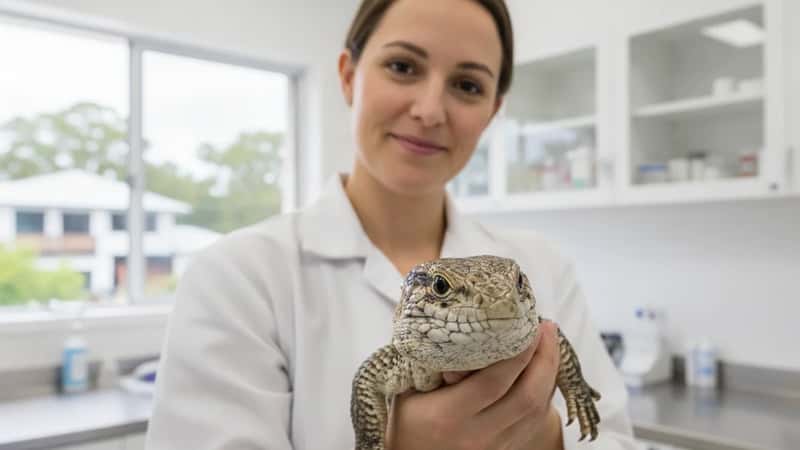
Consider the situation faced by Marcus, a Brisbane reptile enthusiast who has kept a pair of Sulcata tortoises (Centrochelys sulcata) for the past seven years under a Queensland private keeping authority. Under 2026 updates, the Sulcata — a species with documented feral populations in parts of Southeast Asia — now requires an individual microchip for each animal, renewed annual registration, and a completed habitat assessment by an authorised officer. Missing the 30 June 2026 registration deadline means his existing authority lapses, and the animals become unlawfully possessed.
If you own exotic animals, here is your compliance checklist for 2026:
- Check the DAFF Live Import List — confirm your species is still approved. Visit agriculture.gov.au and search the approved list under "live import."
- Check your state wildlife schedule — each state publishes a register of permitted fauna. Look for your species on the relevant schedule and note any new conditions effective from January or July 2026.
- Register any newly microchip-required animals — some reptile and bird species now require ISO-standard (15-digit) microchips registered with your state authority. Contact your state wildlife department for forms.
- Document acquisition history — retain your purchase receipt, breeder's licence number, and any prior permit documentation. Authorities may require this during compliance inspections.
- Consult an exotic animal veterinarian — a vet with specialist experience in exotic care can conduct a health check and help you prepare documentation for renewal or transition. Some states require a vet certificate confirming the animal's identity and health status as part of the permit renewal process.
Owners of species that are now prohibited must arrange compliant rehoming — not private sale — by the relevant state deadline. Failure to do so risks seizure of the animal and prosecution under both state fauna legislation and, where applicable, the federal Biosecurity Act 2015.
Frequently Asked Questions
What counts as an "exotic pet" under Australian law?
An exotic pet is any animal species not native to Australia. This includes all non-native reptiles, mammals, birds, amphibians, and invertebrates. The Biosecurity Act 2015 draws the line at species on the DAFF Live Import List — animals not on that list are exotic by definition and prohibited unless otherwise exempted by specific state legislation.
Will I be able to keep my exotic pet if it becomes newly prohibited in 2026?
In most cases, grandfathering provisions apply if you have a valid, dated licence or permit issued before the relevant change date. However, some changes — particularly the ball python exemption closure and the Queensland ferret exemption withdrawal — include mandatory transfer requirements regardless of prior licensing status. Check the specific legislation and the relevant agency's transition guidance.
What are the penalties for keeping an unregistered exotic animal?
Penalties vary by offence and jurisdiction. Under the Biosecurity Act 2015, section 179, importing a prohibited live animal can result in fines up to $222,000 for an individual and up to $1.11 million for a corporation, plus up to 10 years imprisonment for the most serious breaches [DAFF, 2025]. State penalties are generally lower but include seizure of the animal without compensation and potential permit disqualification.
Do zoos and wildlife sanctuaries face the same 2026 changes?
Accredited facilities operate under separate permit frameworks — typically a Zoo and Aquarium Association (ZAA) accreditation that supersedes standard private-keeper rules. The 2026 changes do affect collection planning for smaller wildlife sanctuaries that hold exotic species under general wildlife licences rather than ZAA accreditation.
Where can I find the official updated species lists?
The most authoritative sources are: the DAFF Live Import List at agriculture.gov.au, your state or territory wildlife authority website (e.g., NSW Environment, QLD Parks and Wildlife, WA DBCA), and the CITES Species+ database (speciesplus.net) for internationally protected species. Always verify against the most recent schedule, as lists can update between print and online versions.
Key takeaway: Australia's 2026 exotic pet regulation changes are the most substantial in nearly a decade. The combination of CITES CoP19 uplists, new federal biosecurity risk assessments, and state harmonisation measures means that what was permissible in 2024 may now require new paperwork — or may no longer be permissible at all. Act before the June and December 2026 deadlines, verify your specific species against both federal and state lists, and engage a qualified exotic animal veterinarian to ensure your documentation is complete.
Disclaimer: The information in this article is provided for informational purposes only and does not constitute legal or veterinary advice. Exotic animal regulations change frequently. Always verify the current status of your species with the relevant federal and state wildlife authorities and consult a licensed exotic animal veterinarian for your specific situation.