 Emily Watson
A single trap lured 19,000 cane toad tadpoles from a New South Wales dam in a matter of hours last month, according to researchers monitoring invasive amphibian populations across eastern Australia. The discovery has triggered renewed warnings for pet owners in affected regions — and raised urgent questions about how Australians should protect their animals in a year when invasive species pressures are intensifying.
The Scale of Australia's Invasive Species Crisis
Cane toads are expanding their range in New South Wales, Queensland, and across coastal areas where warming conditions have extended the species' viable habitat. A single female cane toad can produce up to 30,000 eggs per clutch, twice per year, making population control exceptionally difficult without continuous effort.
The cane toad problem is part of a broader invasive species crisis that the Invasive Species Council describes as the single greatest driver of Australia's native animal extinction rate. Invasive species now threaten 82% of Australia's remaining threatened species, affecting 1,257 native species in total. They are projected to cause 75 of the next 100 Australian extinctions.
The federal budget, meanwhile, has drawn criticism from conservationists for failing to match the scale of the problem. Australia has already experienced the devastating consequences of underestimating invasive species — as last summer's mouse plague outbreak demonstrated, population explosions can escalate faster than containment responses can be mounted. Cuts to key pest and weed management programs, combined with short-term funding cycles, have created gaps in frontline response capacity at exactly the point when multiple invasive threats are accelerating simultaneously.
Beyond cane toads, two additional threats are escalating in 2026. Fire ants continue to spread into new regions of southern Queensland and northern New South Wales. And the polyphagous shot-hole borer, an invasive beetle currently established in Western Australia, is the subject of new research warning that it could put nearly half of Sydney's urban tree canopy at risk if it spreads east.
How Cane Toads Harm Pets — and What to Do
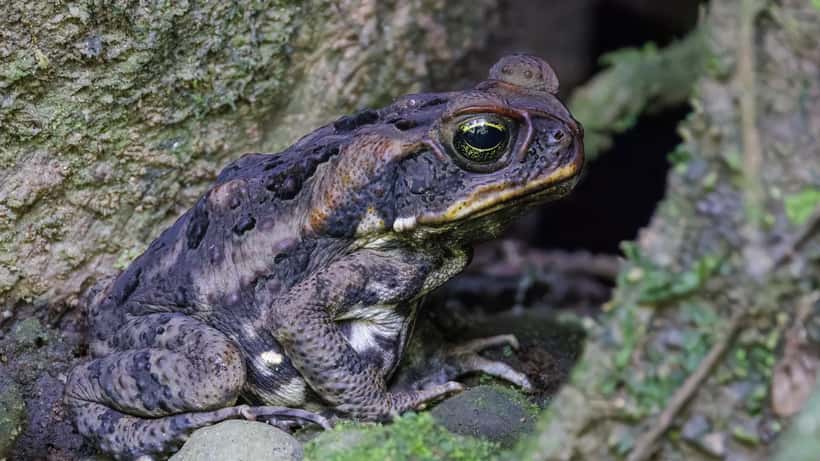
For pet owners, particularly those with dogs, cane toad encounters are a genuine and recurring emergency. The parotoid glands on a cane toad's back secrete a milky, highly toxic substance called bufotoxin. When a dog mouths, bites, or licks a cane toad, it can absorb sufficient toxin to cause life-threatening symptoms within minutes.
Signs of cane toad poisoning in dogs include:
- Excessive drooling and pawing at the mouth
- Bright red or pale gums
- Disorientation, stumbling, or loss of coordination
- Muscle tremors or seizures
- Collapse or loss of consciousness
Cats are less likely to mouth cane toads than dogs but can be affected. Symptoms follow a similar pattern, with neurological signs appearing rapidly.
What to do if your pet has been exposed: Immediately rinse your pet's mouth by wiping the gums, tongue, and inside of the cheeks with a wet cloth, directing water outward rather than down the throat. Do not allow your pet to swallow the rinse water. Transport to a veterinary clinic immediately — even if the animal appears to be recovering, toxin can continue to be absorbed and symptoms can deteriorate.
Do not attempt to induce vomiting. Do not administer any medication without veterinary guidance. Time is critical: pets treated within 30 minutes of exposure have significantly better outcomes than those where treatment is delayed.
Fire Ants and Other Threats to Animals
Fire ants represent a different category of risk — one that affects livestock as well as companion animals, and that has significant implications for landowners and farmers in Queensland and northern NSW.
Fire ant stings are painful and can cause anaphylactic reactions in sensitive animals. Livestock, particularly young calves and foals, can be overwhelmed by fire ant swarms when nesting mounds are disturbed. Dogs that disturb fire ant mounds out of curiosity can receive hundreds of stings within seconds.
Veterinary guidance on fire ant exposure includes washing affected animals thoroughly with water, monitoring closely for anaphylaxis (sudden collapse, swelling around the face or throat, rapid shallow breathing), and seeking emergency veterinary care if any of these signs appear. Animals with known allergies to insect stings are at significantly elevated risk.
Landowners in fire ant declaration zones are legally required to report infestations under state biosecurity legislation. If you suspect fire ants on your property, contact the relevant state authority rather than attempting control independently — incorrect treatment can spread fire ants further.
What Vets Recommend for Pet Owners in Affected Regions
The Australian Department of Agriculture advises that the best protection against invasive species harm to animals is preparedness — knowing the risks specific to your region, the signs to watch for, and the appropriate response before an incident occurs.
Veterinarians in cane toad zones recommend the following precautions for dog owners:
- Walk dogs on a lead at dusk and dawn. Cane toads are most active in warm, humid conditions and after rainfall. Off-lead dogs in low-light conditions are at highest risk.
- Secure garden areas where toads may shelter. Low-set vegetation, compost heaps, and water features attract toads. Removing these shelter points reduces toad activity around homes.
- Learn to identify cane toads. Cane toads are distinctively large, with dry, warty skin and a pronounced ridge running from the eye to the shoulder. Native frogs lack the parotoid gland structure. Misidentification can cause unnecessary alarm or, worse, inaction with an actual cane toad.
- Have your vet's after-hours number saved. Cane toad encounters often happen at night, outside regular clinic hours. Know where your nearest emergency veterinary service is located before you need it.
For rural pet owners in fire ant zones, vets recommend annual consultations to review your property risk, update your emergency response plan, and ensure any animals with known sting sensitivities have appropriate antihistamine or epinephrine medication available.
When to Call a Vet
Not every invasive species encounter requires emergency treatment, but when in doubt, contact your veterinarian. The cost of an unnecessary call is trivial compared to the cost of delayed treatment for a genuine poisoning or anaphylactic event.
If you are unsure whether your pet has been exposed to cane toad toxin or fire ant venom, describe the symptoms clearly: when they started, their progression over the past 10–15 minutes, and the environmental context. Veterinarians can advise over the phone whether to monitor at home or present for immediate treatment.
Invasive species pressure on Australian animals and ecosystems is not diminishing. The most effective protection you can provide to your pet is knowing the risks in your specific region and having a plan before an emergency arises. Consulting a veterinarian on ExpertZoom can help you develop a tailored prevention and response strategy for your household.
