 Richard Thomas
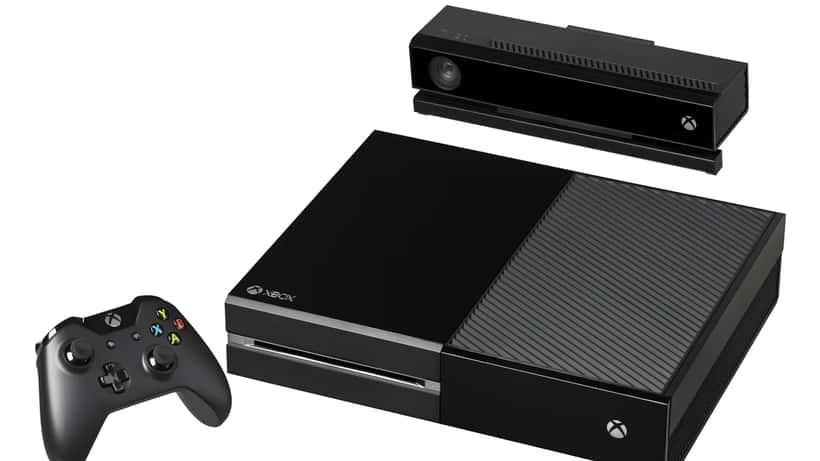
Xbox Game Pass announced on April 7, 2026 that Hades 2 — one of the most anticipated games of the year — arrives on April 14 as a day-one title for subscribers, ending a six-month Nintendo Switch exclusivity period. For the millions of Americans who now rely on digital game subscriptions for their entertainment, the announcement raises a question IT security experts hear more and more: how safe is all that digital content you're accumulating?
Hades 2 and the Game Pass Surge
Microsoft's Xbox Game Pass has transformed how Americans consume games. Rather than purchasing titles for $60-$70 each, subscribers pay a monthly fee for access to a rotating library of hundreds of games. The addition of Hades 2 on April 14 — which includes all post-launch patches and additional content from other platform versions — is one of the biggest day-one launches in Game Pass history.
Xbox Wire confirmed the April 2026 wave includes more than 17 titles across Xbox Series X|S, PC, and cloud gaming. Other major additions include Call of Duty: Modern Warfare and several indie releases. Games leaving the service after April 15 include Grand Theft Auto V, making April a significant transition month for the platform.
For consumers, this raises a practical concern that most people ignore until something goes wrong: what happens to your gaming library if your account is compromised, your subscription lapses, or the service changes its terms?
The Security Problem Nobody Talks About
Game subscription services store substantial value in a single account. An Xbox account with Game Pass Ultimate, saved game progress, downloadable content, and linked payment information represents real financial exposure — yet most users protect these accounts with the same password they use for email.
Microsoft itself provides an Xbox security features guide covering two-step verification, passkeys, and account recovery options — tools that most users never activate. IT security experts identify three core risks for gaming subscription users:
1. Credential stuffing attacks: When a data breach exposes usernames and passwords from one service, attackers automatically try those credentials across dozens of others — including gaming platforms. Microsoft's own security team reported that Xbox Live accounts face hundreds of thousands of automated login attempts per day.
2. Payment information exposure: Game Pass subscriptions store credit card details for recurring billing. A compromised gaming account can become a vector for unauthorized charges — not just on the gaming platform, but through linked services and digital storefronts.
3. Account takeover and lockout: Once an attacker controls a gaming account, they can change the email and phone number, locking the original owner out permanently. Recovery processes for major gaming platforms can take weeks and are frequently unsuccessful.
What Good Digital Account Hygiene Looks Like
IT professionals routinely advise both consumers and businesses on what Microsoft itself calls "account security essentials" — practices that apply equally to gaming accounts and corporate systems.
For gaming specifically:
- Enable two-factor authentication: Xbox, PlayStation, and Steam all support 2FA via authenticator app or SMS. This single step blocks the majority of credential stuffing attacks.
- Use a unique, strong password: A gaming account password should be different from every other account. A password manager makes this practical.
- Audit linked payment methods regularly: Remove cards you no longer actively use from digital storefronts.
- Enable login notifications: Most gaming platforms can alert you by email or text if a new device accesses your account from an unfamiliar location.
For families with children using gaming subscriptions, parental control settings and spending limits add another layer of protection — and prevent unexpected charges from in-app purchases.
The Bigger Picture: Digital Asset Accumulation
The gaming subscription model reflects a broader shift in how Americans own digital content. Streaming services, cloud software, digital book libraries, music collections — increasingly, what people think of as "their" content lives entirely in accounts that can be compromised, suspended, or discontinued.
IT consultants increasingly help individuals and small businesses audit their digital asset exposure. This isn't just about passwords — it's about understanding which subscriptions are genuinely valuable, which are redundant, and how to protect the accounts that matter most.
When Hades 2 arrives on Game Pass this week, millions of Americans will spend time gaming. A fraction of that time spent on digital account security would protect far more than just their save files.
Whether you're a casual gamer or a business owner with dozens of SaaS subscriptions, an IT specialist can help you assess your digital security posture and implement practical protections that don't interfere with the way you actually use technology.
The Hidden Cost of Digital Subscription Sprawl
The average American household now subscribes to more than five streaming or digital service subscriptions simultaneously. Each of those accounts represents a potential attack surface — and most households have no systematic approach to managing them. Gaming subscriptions like Xbox Game Pass are just the most visible tip of a larger problem.
When Hades 2 launches on Game Pass this week, players who log in will be interacting with a platform that stores their payment information, purchase history, and personal data. That's not a reason to avoid the service — it's a reason to protect the account properly before playing.
A few minutes configuring 2FA and checking your linked payment methods costs nothing. A compromised account, unauthorized charges, or identity theft costs considerably more — in time, money, and frustration.
Note: This article discusses digital security concepts for informational purposes. For specific security recommendations tailored to your systems and needs, consult a qualified IT security professional.
