 Michael Campbell
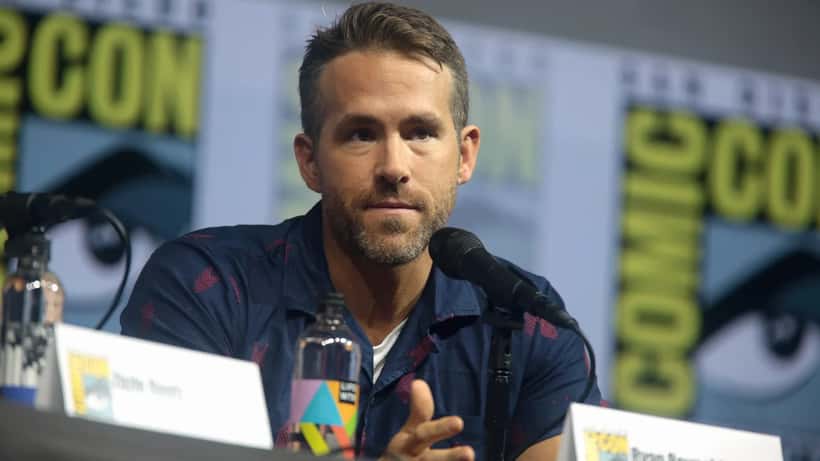
Ryan Reynolds built one of the most unusual business portfolios in entertainment — and in April 2026, he's expanding on two fronts simultaneously. FX announced on April 10 that "Welcome to Wrexham" has been renewed for three additional seasons (6, 7, and 8), while Mint Mobile is launching a home internet product with a new campaign featuring Reynolds and Marie Kondo. The actor who turned a Welsh soccer club and a discount telecom brand into cultural phenomena is now offering a masterclass in brand-driven entrepreneurship.
Two Deals, One Week: What Reynolds Actually Built
The Wrexham renewal was not just a television milestone. Reynolds and co-owner Rob McElhenney acquired Wrexham AFC, a Welsh football club playing in the lower tiers of English football, in 2020 for approximately £2.5 million. The documentary series that followed on FX turned the club into a global brand.
Season 5 of "Welcome to Wrexham" premieres May 14, 2026 on FXX and Hulu. With three more seasons now committed, the show is a confirmed long-run platform — not just for storytelling, but for ongoing Wrexham AFC brand building. The club has since been promoted twice and seen its merchandise sales and ticket revenue climb substantially.
Meanwhile, Mint Mobile — the discount wireless carrier Reynolds acquired a stake in around 2019 and sold to T-Mobile in 2023 for approximately $1.35 billion — is not standing still. Reynolds remains the face of the brand under a licensing and endorsement arrangement, and the new home internet expansion represents Mint's move into a larger market segment, with Reynolds and Marie Kondo fronting the campaign.
The Reynolds Blueprint: What Wealth Advisors See
Financial planners and wealth advisors who study celebrity portfolios frequently cite Ryan Reynolds as a template for what they call "equity brand integration" — a strategy where a celebrity doesn't just endorse a product but acquires ownership and builds the brand as if it were a startup.
The key principles at work:
1. Own, don't rent. Reynolds didn't take a flat endorsement fee from Aviation Gin or Mint Mobile. He took equity. When T-Mobile acquired Mint Mobile, Reynolds participated in the upside. When Diageo acquired Aviation Gin in 2020 for a reported $610 million, Reynolds again shared in the proceeds. Endorsement fees disappear; equity compounds.
2. Choose brands with narrative potential. Aviation Gin, Mint Mobile, and Wrexham AFC all had one thing in common when Reynolds entered: they were compelling stories that hadn't been told well yet. This narrative alignment made marketing organic rather than forced, which dramatically reduces customer acquisition costs.
3. Leverage existing audience for distribution. Reynolds didn't need to build an audience for Mint Mobile from scratch. His social media following (50M+ across platforms) provided direct-to-consumer distribution that would have cost a traditional telecom brand hundreds of millions in media spend. According to Forbes, Aviation Gin's brand value increased significantly under his creative direction before the sale.
4. Build recurring revenue streams. The Wrexham series creates ongoing content revenue from FX. The team generates match-day revenue, merchandise, and transfer fees. Mint Mobile generates subscription revenue. None of these are one-time events — they are platforms.
The Tax and Structure Questions Nobody Discusses
What's rarely covered in celebrity business profiles is the infrastructure behind these deals. Reynolds's portfolio didn't just happen — it was structured deliberately, likely with significant professional support.
For any high-earning individual building a multi-entity business portfolio, the structural decisions matter enormously:
Entity structure: Should each business be held in a separate LLC, an S-corp, or a holding company? The answer depends on liability exposure, income type (passive vs. active), and long-term exit plans. Reynolds almost certainly operates through a holding structure that separates his acting income from his equity investments.
Capital gains treatment: When Reynolds sold his Mint Mobile stake, the tax treatment of that gain depended entirely on how the equity was structured at acquisition. Qualified small business stock (QSBS) provisions, carried interest structures, and holding period requirements all affect what percentage of a sale stays with the founder.
Estate planning for business assets: Equity stakes in private companies are notoriously difficult to value for estate planning purposes. Strategies like family limited partnerships, grantor retained annuity trusts (GRATs), and irrevocable life insurance trusts (ILITs) are commonly used to transfer business equity to the next generation at reduced estate tax cost.
Royalty and licensing income: Reynolds's arrangement with T-Mobile/Mint Mobile post-acquisition appears to include ongoing brand usage rights. Royalty income is taxed differently than salary or capital gains — structuring these arrangements correctly can significantly reduce the effective tax rate.
What This Means for Regular Investors and Entrepreneurs
The Reynolds model isn't just for celebrities. The underlying principles — equity over endorsement, narrative alignment, recurring revenue structures — apply to any entrepreneur or high-income professional building wealth outside their primary career.
According to the U.S. Securities and Exchange Commission's investor education resources, building diversified income streams that include equity investments alongside earned income is one of the most consistent paths to long-term wealth accumulation.
Whether you are a physician building a medical practice, an attorney launching a boutique firm, or a contractor acquiring real estate — the structural questions are the same as Reynolds's: How do you hold the asset? How do you minimize tax drag on the exit? How do you build brand equity that compounds over time?
When to Consult a Wealth Management Expert
Building a business portfolio beyond your primary career involves decisions that require professional guidance at multiple levels: financial planning, tax strategy, legal structuring, and investment management. These disciplines overlap, but they are distinct.
Platforms like Expert Zoom connect you with certified wealth management professionals who can help structure your business assets, model the tax implications of different exit scenarios, and build a long-term financial plan aligned with your personal goals.
Ryan Reynolds has a team for this. So should you.
Note: This article is for informational purposes only and does not constitute financial or legal advice. Always consult a qualified professional before making investment or business decisions.
