 Bernard Stone
Russell Henley shot a stunning 6-under-par 66 on Saturday at the 2026 Masters Tournament, putting him in a position to contend at Augusta National — and reigniting conversations about what it takes to build lasting financial security as a professional athlete.
The American golfer, who renewed his multi-year sponsorship agreement with Pinnacle Financial Partners this spring (the brand debuted at Augusta following its merger with Synovus), is a reminder that peak performance and smart wealth strategy go hand in hand.
Who Is Russell Henley, and Why Is He Trending?
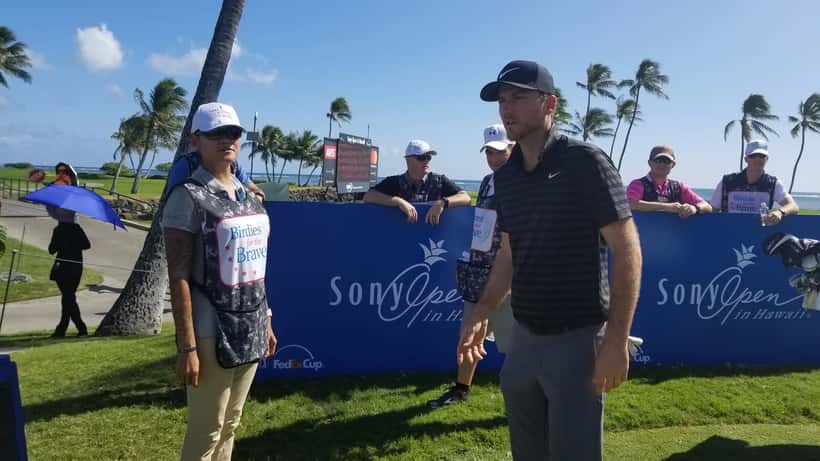
Russell Henley, 37, from Macon, Georgia, is a five-time PGA Tour winner who burst onto the scene in 2013 by winning the Sony Open in Hawaii in his Tour debut — a record-making performance. He returned to prominence this season, building on his 2025 Arnold Palmer Invitational victory to arrive at the 2026 Masters in top form.
After Saturday's blistering round — 6 birdies, zero bogeys — Henley entered the final round tied for 9th place, just 5 strokes behind co-leaders Rory McIlroy and Cameron Young. One of six Georgia Bulldogs in the field, Henley became the darling of the Atlanta market and a household name for sports fans tuning in to one of golf's four major championships.
But the story off the course is just as instructive. Henley's renewed partnership with Pinnacle Financial Partners — a firm with more than $50 billion in assets under management — is the kind of relationship that separates financially stable athletes from those who struggle after their playing days end.
The Hidden Complexity of Athlete Sponsorship Deals
When a sponsor slaps their logo on a golfer's hat or a fighter's robe, the public sees a simple transaction. In reality, multi-year sponsorship agreements are complex legal and financial instruments with performance clauses, image rights provisions, exclusivity terms, and tax implications that can significantly affect an athlete's net worth.
Henley's Synovus/Pinnacle deal underwent a structural change when Synovus merged with Pinnacle Financial Partners in early 2026 — a transition that required careful legal and financial management on both sides. For the athlete, brand mergers mid-contract raise questions: Does the new entity inherit obligations? What happens to royalty structures? Are existing exclusivity clauses still applicable?
These are exactly the kinds of questions a wealth manager specializing in professional athletes can help navigate — well before the ink dries on a new deal.
Key elements typically included in professional athlete sponsorship contracts:
- Performance incentives: Bonuses tied to tournament finishes, rankings, or media appearances
- Image rights clauses: Who can use your likeness, in which markets, and for how long
- Exclusivity provisions: Which competing brands are you prohibited from endorsing?
- Post-career extensions: Some deals include clauses that survive the athlete's active career
- Tax treatment: Sponsorship income is taxed differently depending on how it's structured — as self-employment income, licensing fees, or equity stakes
According to the U.S. Internal Revenue Service, athletes who receive sponsorship income are generally considered self-employed and must pay both the employee and employer share of payroll taxes — a detail that can cost tens of thousands of dollars annually if not planned for properly.
What Pro Athletes Typically Earn — and What Gets Lost
The numbers in professional golf are significant. The PGA Tour's top players earn millions in prize money, but that's just the beginning. Endorsement deals often dwarf on-course earnings for elite players. Tiger Woods, for example, made an estimated $50 million per year in endorsements at his peak — compared to roughly $10 million annually in prize money.
But wealth accumulation is not automatic. Studies consistently show that a significant percentage of professional athletes face financial difficulties within years of retiring. The reasons are well-documented:
- Short career windows: The average professional athlete's career lasts fewer than 10 years
- Tax inefficiency: Without proper planning, athletes pay top marginal rates without leveraging available deductions
- Lifestyle inflation: High earnings during peak years lead to unsustainable spending habits
- Poor investment advice: High-earning athletes are often targeted by unqualified or unscrupulous advisors
A wealth manager with experience in athlete finance can create a roadmap that extends career earnings through investment vehicles, tax-advantaged accounts, and risk-appropriate asset allocation.
The Sponsorship-Wealth Triangle
Henley's Pinnacle partnership illustrates what financial experts call the "sponsorship-wealth triangle" — a three-way relationship between the athlete, their sponsor, and their wealth manager.
The ideal setup works like this: the athlete secures endorsements through performance and public image; a sports attorney reviews and negotiates the contract terms; and a wealth manager integrates that income stream into a broader financial plan that includes retirement vehicles, insurance, real estate, and long-term investment accounts.
When to bring in a wealth management expert:
- Before signing any multi-year deal: Tax and investment implications should be modeled before any contract is signed
- When transitioning between sponsors: As Henley's Pinnacle transition shows, brand mergers mid-deal require careful financial review
- After a major performance milestone: A top-10 finish at a major can trigger contract renegotiations — plan for the income surge
- 3-5 years before retirement: Career-end planning should start long before the final round
The Masters as a Financial Mirror
Augusta National hosts not just a golf tournament — it hosts one of the most-watched live sporting events in the world, with broadcast rights worth hundreds of millions. For players who contend, or even just make the cut, the visibility translates into sponsorship interest and, potentially, life-changing financial opportunities.
Russell Henley's performance this week — paired with his renewed financial partnership — is a live case study in how professional performance and financial planning reinforce each other. When athletes work with advisors who understand their unique earning windows, tax situations, and post-career goals, they are better positioned to build lasting wealth from short windows of elite competition.
YMYL disclaimer: This article is for informational purposes only and does not constitute financial or legal advice. Consult a qualified wealth manager or financial advisor before making investment or contract decisions.
What to Do If You're an Athlete or High Earner Navigating Sponsorships
If you're a professional athlete, agent, or high earner dealing with sponsorship income, endorsement renegotiations, or financial planning for a short career window, consulting a qualified wealth manager is a critical first step. Experts on platforms like ExpertZoom can connect you with licensed professionals who specialize in athlete finance and contract-adjacent tax planning.
The Masters may decide a champion by Sunday evening — but the financial decisions made off the course will outlast the trophy for decades.
Key facts sourced from the PGA Tour official player profile, Fox 5 Atlanta Masters coverage (April 2026), and Synovus/Pinnacle partnership announcement (April 6, 2026). For IRS treatment of self-employment income, see the IRS Self-Employed Individuals Tax Center.
