 Davis Caesar
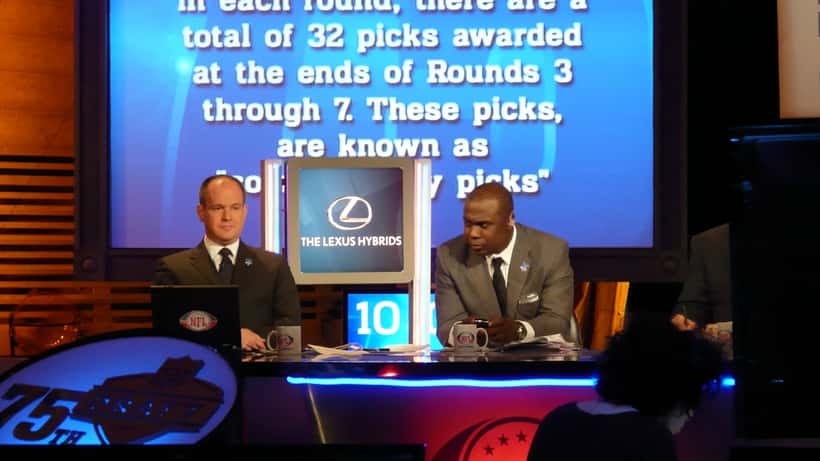
Sports broadcaster Rich Eisen returned to ESPN's SportsCenter on Sunday, April 13, 2026 — his first time anchoring the flagship program in over 23 years. The occasion was celebrated across sports media, but behind the nostalgia lies a more complex story: a $3 billion corporate acquisition that moved hundreds of broadcasting employees from NFL Network to ESPN, raising fundamental questions about employment contracts, non-compete clauses, and worker rights in the media industry.
Eisen left ESPN in 2003 to join the newly launched NFL Network, where he spent two decades building one of the most recognizable shows in sports broadcasting. When ESPN finalized its acquisition of NFL Network, NFL RedZone, and NFL Fantasy Football, effective April 1, 2026, Eisen and dozens of colleagues faced an abrupt transition — not by choice, but by corporate transaction.
What Happened: A $3 Billion Deal That Moved Workers
According to reporting by Front Office Sports, ESPN's deal with the NFL required existing NFL Network talent to transition to ESPN or Disney properties, with contracts assumed rather than terminated. Eisen specifically secured a deal that reportedly mirrors the structure of The Pat McAfee Show: ESPN licenses his program, allowing him to retain ownership and editorial control.
This arrangement is atypical. Most employees caught in a corporate acquisition do not have the negotiating leverage of a 20-year broadcasting veteran with a nationally syndicated show. For the majority of NFL Network staff — producers, directors, editors, on-air contributors — the transition was simply mandated by a merger, with far less room for individual negotiation.
Non-Compete Clauses: The Hidden Risk in Media Contracts
The Rich Eisen situation highlights a critical issue in employment law that affects broadcasting professionals across the country: non-compete agreements. Many media employees sign non-compete clauses that restrict them from working for competing networks for a period of time after leaving their employer.
When a merger occurs, the question of which non-compete obligations survive — and whether they are enforceable — becomes genuinely complex. An employment attorney can help employees answer questions like:
- Does my non-compete clause prevent me from working for the acquiring company?
- If I was involuntarily transitioned due to a merger, does that constitute a constructive dismissal that voids my non-compete?
- Can I negotiate the terms of a contract transition when an acquisition changes the nature of my employer?
The Federal Trade Commission proposed a rule in 2024 that would have broadly restricted non-compete agreements in the US, though legal challenges have complicated enforcement. As of April 2026, the enforceability of non-competes continues to vary significantly by state.
Employee Rights During Corporate Acquisitions
Rich Eisen had the visibility and leverage to negotiate favorable terms. Most employees do not. When a company is acquired, workers can find themselves in a legally ambiguous position — their original employer no longer exists in the same form, their contract may have been assumed by the acquiring company, and their benefits, compensation, and role may change without explicit consent.
Under US federal law, the Worker Adjustment and Retraining Notification (WARN) Act requires employers with more than 100 employees to provide 60 days' notice before plant closings or mass layoffs. However, acquisitions don't always trigger WARN protections, and employees may find themselves transferred to new entities without formal notice.
Employment attorneys note that the most common mistakes employees make in acquisition scenarios include:
- Signing transition documents without legal review — acquiring companies often present new contracts quickly, hoping employees will accept without reading the fine print.
- Assuming all benefits transfer automatically — pension vesting, equity grants, and healthcare terms can change materially in a merger.
- Not understanding severance entitlements — if the acquiring company eliminates your position, your rights under the original contract may or may not survive the transition.
The Broader Lesson from Sports Media Consolidation
The ESPN-NFL Network deal is part of a broader consolidation in sports broadcasting. As streaming platforms acquire linear TV networks and media companies merge, the employment landscape for broadcasting professionals is shifting rapidly. Rights deals, show ownership, and on-air talent agreements are increasingly complex instruments that require specialized legal expertise to navigate.
Under federal law, the Worker Adjustment and Retraining Notification (WARN) Act, administered by the U.S. Department of Labor, requires employers with 100 or more full-time employees to provide at least 60 calendar days' advance written notice of a plant closing or mass layoff. Understanding whether and how this applies during an acquisition is a critical step for any affected employee.
When to Consult an Employment Lawyer
Rich Eisen's high-profile return to ESPN is a celebratory story — 23 years in the making, marked by genuine nostalgia and professional respect. But it is also a window into how employment contracts determine outcomes when industries reorganize.
Whether you are a sports broadcaster, a digital content producer, or any professional whose employer has been acquired or merged, the following situations warrant consulting an employment attorney:
- You have been presented with a new contract by an acquiring company
- Your role, title, or compensation has changed without your explicit agreement
- You signed a non-compete clause and are unsure if it affects your options
- Your employer is being acquired and you have not received formal communication about your employment status
Employment law is complex, and the details of your contract — and your state's specific rules on non-competes — matter enormously. What worked for Rich Eisen may not work for everyone. Understanding your rights before signing anything is the first step.
This article is for informational purposes only and does not constitute legal advice. Consult a licensed employment attorney for guidance specific to your situation.
