 Daniel Sterling
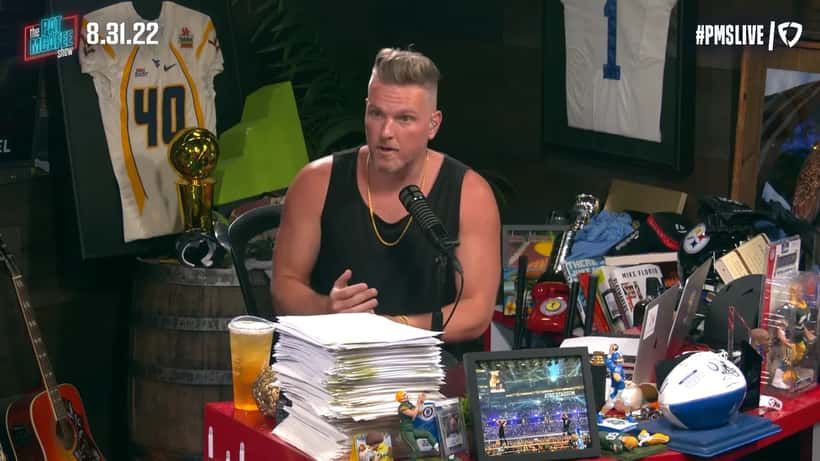
On April 3, 2026, Pat McAfee delivered a WWE SmackDown promo that sent shockwaves through the entertainment industry — and not because of the Randy Orton storyline it was part of. Multiple reports confirm that the promo McAfee delivered, which included sharp criticisms of WWE ticket sales and record-low ratings, was not the script that WWE's creative team had approved. The angle, according to Dave Meltzer and sources at 411Mania, originated above Chief Content Officer Paul "Triple H" Levesque — reportedly at the direction of TKO CEO Ari Emanuel.
What Actually Happened at SmackDown
McAfee was revealed as Randy Orton's mystery phone ally in a major storyline beat at WrestleMania season. But the promo he delivered went significantly beyond what writer Christian Sowell had communicated to Levesque. According to reporting by Wrestling Inc. and Cageside Seats, McAfee was believed to have been given permission to improvise certain lines — but what he delivered in the ring was materially different from what creative had been told to expect.
The backstage reaction was swift. According to Meltzer, "many" WWE employees were unhappy with the segment, with at least one calling it "the most counterproductive thing in a long time." WWE then announced it was "reworking" plans for the McAfee-Orton-Rhodes storyline ahead of Backlash 2026 in Tampa on May 9.
The controversy raises a question that applies to anyone in a media, performance, or entertainment role: what does your contract actually say about going off-script — and what are the legal and professional consequences if you do?
What Entertainment Contracts Typically Cover
Most talent agreements in broadcast media, sports entertainment, and live performance contain provisions specifically addressing content approval and deviation from approved material. According to Justia's Entertainment Law resource, standard talent agreements include:
- Approval clauses: What content the talent is authorized to deliver, and who in the organization must sign off
- Indemnity provisions: Which party bears liability if off-script statements create legal exposure — defamation claims, breach of non-disparagement agreements, or tortious interference
- Morality and conduct clauses: Broad provisions that allow termination if a performer's actions damage the brand or organization
- Exclusivity and non-compete terms: Restrictions on what talent can say publicly about competitors or internal business matters during the contract term
The McAfee situation is particularly instructive because the promo appears to have originated at the corporate level (above the creative director) yet was delivered in a form that caught internal stakeholders off guard. This creates a gray area: if an executive above the creative chain authorizes certain content, does creative's lack of approval create a contractual breach? The answer depends entirely on how decision-making authority is structured in the talent's agreement.
The Liability Exposure of Going Off-Script
When a performer deviates from approved content, three categories of legal risk typically emerge.
1. Defamation and reputational harm. If off-script statements include false factual claims about a person, product, or organization, defamation liability can arise. In the McAfee case, his statements about WWE's ticket sales and ratings were framed as critical commentary — generally protected as opinion — but statements framed as fact about measurable business metrics could cross into actionable territory if they are materially false.
2. Breach of contract. If the talent agreement includes a content approval clause, delivering substantially different material than what was approved may constitute breach — even if the talent was verbally authorized by someone at the company. Oral authorizations from parties who don't hold contractual authority may not protect a talent from claims brought by other stakeholders.
3. Non-disparagement violations. Many entertainment contracts include non-disparagement clauses prohibiting negative public statements about the employer, its management, or its business performance. Public criticism of a company's ratings or sales figures — even if broadly true — can trigger these clauses if the language is broad enough.
It is worth noting that California's Labor Code Section 1001, enacted as part of the #MeToo reform era, limits non-disparagement clauses for employees in certain contexts. As of 2026, California employment law continues to evolve in ways that affect how entertainment and media employers structure these provisions — particularly relevant since WWE and many talent agreements are governed under California or New York law.
What This Means for Workers in Creative and Media Roles
The McAfee situation is extreme — few professionals will find themselves delivering an unsanctioned monologue before a live television audience of millions. But the underlying legal dynamics apply to anyone in a creative, media, or performance role:
- A marketing employee who deviates from an approved script in a client presentation
- A spokesperson who makes unvetted statements at a press event
- A social media manager who posts content outside approved guidelines
- A contractor delivering a live presentation without prior clearance
In each case, the critical questions are the same: what did your contract authorize you to say, who had authority to expand those permissions, and is that authorization documented?
When to Consult an Entertainment or Employment Lawyer
If you work in media, sports entertainment, live performance, broadcasting, or any role where you represent a brand publicly, an entertainment attorney can help you:
- Review what your talent agreement actually permits in terms of improvisation, commentary, and factual claims about your employer
- Understand your exposure if you go off-script or make unauthorized public statements
- Negotiate better indemnification terms before signing a new deal
- Assess whether a company's conduct toward you (such as directing you to deliver content above normal approval channels) exposes them to liability rather than you
The US Equal Employment Opportunity Commission and various federal agencies have clarified that many employee speech protections extend to workers in creative industries — meaning not all off-script statements expose a worker to legal liability, particularly when the content relates to workplace conditions or protected activity under federal law.
The Bottom Line: Protect Yourself Before You Step on Stage
The chaos unfolding at WWE is a reminder that even in the highest-profile entertainment contexts, the gap between what was contractually approved and what was actually delivered can create months of legal, creative, and reputational fallout. As WWE scrambles to rework its Backlash storyline, the underlying lesson for anyone in a public-facing media role is straightforward: get the authorization in writing, understand what your contract permits, and consult a lawyer before you improvise.
A qualified entertainment or employment lawyer can review your agreement and identify the specific clauses that govern public performance obligations — before you find yourself the subject of backstage reports and crisis communications.
YMYL Disclaimer: This article is for informational purposes only and does not constitute legal advice. Consult a qualified attorney regarding your specific contractual or employment situation.
