 Davis Caesar
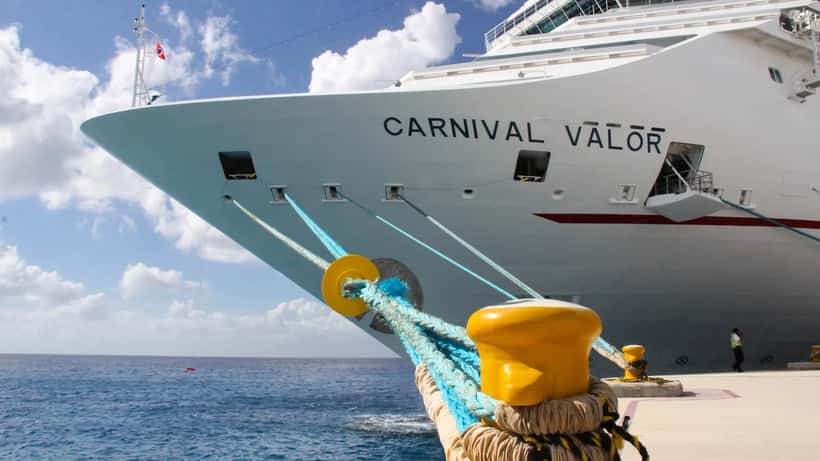
A Miami federal jury awarded California nurse Diana Sanders $300,000 after Carnival Cruise Line was found 60% responsible for overserving her alcohol on January 5, 2024, leading to a serious fall that left her with a concussion, back injuries, and possible traumatic brain injury. The verdict, handed down in April 2026, is renewing national attention on dram shop laws — and what injury victims need to know about holding alcohol-serving businesses accountable.
What Happened on the Carnival Radiance
Sanders consumed at least 14 tequila shots in under nine hours aboard the Carnival Radiance. Between 11:45 PM and 12:20 AM, she fell down a staircase and sustained multiple injuries: a concussion, chronic headaches, tailbone injuries, bruising, and a possible traumatic brain injury.
At trial, Carnival's own liability standard was invoked: bartenders aboard its ships are required to supervise and assist passengers who exhibit behavior that is dangerous to themselves or others. The jury found that the cruise line failed this duty. Carnival has announced it will appeal the verdict.
The $300,000 award was reduced by 40% to reflect Sanders' own comparative negligence — a common legal mechanism in injury cases that assigns shared responsibility between the injured party and the defendant.
What Are Dram Shop Laws?
Dram shop laws are state and federal statutes that hold alcohol-serving businesses liable when they knowingly serve alcohol to a visibly intoxicated person who then causes injury to themselves or others. The term "dram shop" dates back to 18th-century England, when spirits were sold by the dram — a small unit of measurement.
Today, dram shop liability applies to bars, restaurants, cruise ships, amusement parks, carnivals, and any venue licensed to sell alcohol. The core legal question in these cases is whether the establishment continued serving alcohol to a patron who was visibly intoxicated and at risk of harm.
According to the National Conference of State Legislatures and FindLaw's injury law resources, dram shop laws vary significantly by state:
- States with broad protections (such as Illinois and California) allow injured parties to sue the serving establishment even when the injured person is also partially at fault.
- States with limited protections (such as Nevada and South Dakota) have no dram shop laws at all, making it harder — or impossible — to hold the server liable.
- Federal maritime law, which applied in the Carnival case, imposes its own liability standards that can differ from state law.
Why the Carnival Verdict Matters
This case is notable for several reasons. First, it involves federal maritime jurisdiction — a legal space where ordinary dram shop statutes don't automatically apply. Carnival's liability was argued under maritime law's duty of care for passengers. The jury's decision to assign 60% fault to the cruise line signals that courts are willing to hold large hospitality operators to a high standard of care.
Second, the comparative negligence split — 60% Carnival, 40% Sanders — illustrates a key principle injury victims need to understand: being partially at fault does not bar you from recovery. In most states that recognize comparative negligence, your award is simply reduced proportionally. Only a handful of states still follow "contributory negligence," which can bar all recovery if you are even 1% at fault.
Third, the case highlights the growing intersection of hospitality liability and premises liability law. Carnival, like any carnival, amusement park, or event venue, has a duty to ensure that patrons are not served to the point of endangerment. Whether a bartender at a stadium, a server at a county fair, or a staff member aboard a cruise ship — the duty exists.
Signs You May Have a Dram Shop Claim
If you or a loved one were injured after being overserved alcohol at a venue — or injured by someone who was — you may have grounds for a dram shop claim. Key indicators include:
- The serving establishment continued pouring drinks after you or the other party exhibited visible signs of intoxication (slurred speech, stumbling, repeated requests for more alcohol)
- The incident occurred at a licensed venue (bar, restaurant, cruise ship, stadium, amusement park)
- You suffered documented injuries — medical records, emergency room visits, or disability are critical
- A police report, witness testimony, or surveillance footage exists that documents the circumstances
Documentation is essential. Courts look at the number of drinks served, time elapsed, visible behavior, and the establishment's own service policies. In the Carnival case, 14 tequila shots in under nine hours across a limited setting provided a clear paper trail.
What to Do If You're Injured by an Overserved Person
If you were injured by someone who was overserved — for example, in a drunk driving accident after the driver left a bar — you may also have a third-party dram shop claim against the establishment that served them. These cases are complex, often involving multiple defendants, insurance companies, and both state tort law and federal regulations.
A personal injury attorney specializing in premises liability or liquor liability can evaluate whether the venue's conduct meets the legal threshold for overserving in your jurisdiction. These consultations are often free, and many attorneys take injury cases on contingency — meaning no upfront fees.
The Broader Picture: Liability at Events and Venues
The Carnival verdict arrives as more Americans attend large-scale entertainment events — cruises, music festivals, sporting events, and county fairs — where alcohol flows freely and supervision can be thin. The legal principle is the same regardless of the venue: operators have a duty of care to the people they serve.
If an establishment profits from selling alcohol, it also bears legal responsibility for the consequences of serving it irresponsibly. The Sanders case is a reminder that this responsibility extends far beyond a local bar stool — to every ticket purchased, every drink poured, and every passenger who steps aboard.
If you've been injured in a situation involving overserved alcohol, speaking with a licensed personal injury or liquor liability attorney is the first step toward understanding your options. Expert Zoom connects you with vetted legal professionals who can assess your specific circumstances.
YMYL Disclaimer: This article provides general legal information for educational purposes only. It is not legal advice. Laws vary by state and jurisdiction. Consult a licensed attorney for advice specific to your situation.
