 Jessica Johnson
An NFL reporter is under investigation after photos with Patriots coach Mike Vrabel surfaced — here is what workplace privacy law actually allows employers to do.
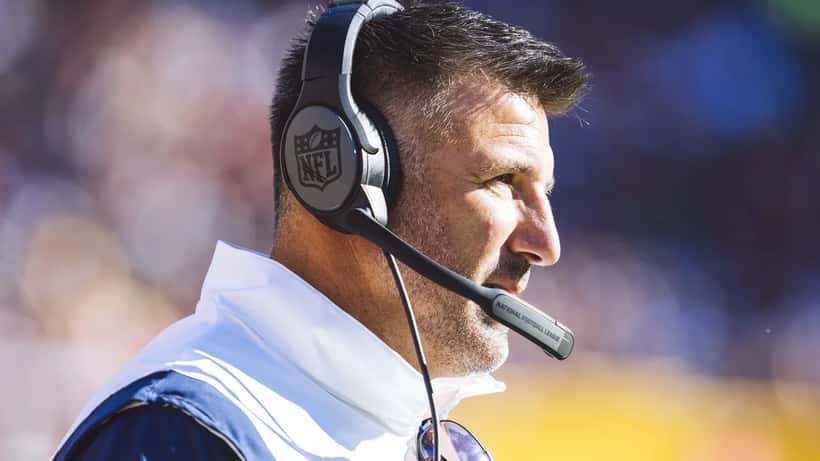
Photos showing New England Patriots head coach Mike Vrabel and The Athletic NFL reporter Dianna Russini together at an adults-only resort in Sedona, Arizona were published by Page Six in late March 2026. Both individuals are married to other people. Russini told outlets that "the photos don't represent the group of six people who were hanging out during the day," while Vrabel called the images "a completely innocent interaction." What happened next is the part that raises significant legal questions: The Athletic, owned by The New York Times Company, launched a formal workplace investigation into Russini's past coverage — and barred her from reporting during that investigation.
The Vrabel-Russini story has been trending heavily in April 2026. But underneath the celebrity dimension of the story lies a set of questions that employment lawyers navigate regularly: What can employers investigate? What privacy rights do employees retain? And when does a workplace investigation cross the line into retaliation or discrimination?
What employers can legally investigate — and what they cannot
When a potential conflict of interest emerges between an employee's personal conduct and their professional responsibilities, employers do have legitimate grounds to investigate. In Russini's case, The Athletic is a journalism organization. If a reporter covering the NFL has a personal relationship with an NFL coach, the conflict-of-interest concern is genuine and industry-recognized.
Employment law generally allows employers to:
- Investigate conduct that has a direct bearing on job performance or professional ethics obligations
- Review prior work product for evidence of compromised judgment (for example, reviewing past articles for undisclosed favoritism)
- Suspend an employee from certain duties during a formal investigation, without that suspension constituting a final adverse action
However, employers face real legal limits. An investigation cannot serve as a pretext for targeting an employee based on protected characteristics (gender, age, religion, race). It cannot exceed the scope of the legitimate business interest being protected. And it must follow any procedures outlined in the employee's contract or the company's established policies.
For a high-earning reporter with a contract set to expire in summer 2026, the timing of the investigation matters legally. An employer cannot use an investigation to manufacture cause for termination or non-renewal in bad faith.
The privacy question: can your employer investigate your personal life?
The photos were taken in a public space — a resort with visible pool and outdoor areas. In most U.S. jurisdictions, photographs taken in public settings, where there is no reasonable expectation of privacy, do not give rise to invasion of privacy claims.
But the line becomes more complicated in certain situations:
Location matters. In private spaces — a hotel room, a private residence — the rules shift significantly. Photographs obtained through surveillance in spaces where privacy is reasonably expected could create civil liability for those who took or distributed them.
Employment agreements matter. Many media organizations include conduct clauses or conflict-of-interest provisions in their employment contracts. If Russini's contract with The Athletic required disclosure of personal relationships with news sources, a violation of that provision would give the employer clearer standing to act — and weaker standing for an employee claiming wrongful discipline.
State law matters. Several states, including California, have laws specifically protecting employees from employer action based on lawful off-duty conduct. New York has similar protections. Whether The Athletic's investigation crosses into actionable territory depends in part on which state's law governs the employment relationship.
When a workplace investigation becomes a legal risk for the employee — or the employer
Employment lawyers handling cases like this watch for several red flags on both sides.
From the employee's perspective: if the investigation leads to termination, the critical legal question is whether the stated reason — conflict of interest — is the real reason, or whether it is a pretext for something else. Employees who believe a workplace investigation is being used as a weapon can pursue claims for wrongful termination, breach of contract, or, in limited circumstances, defamation.
From the employer's perspective: an investigation that is visible to the public (as this one is, by virtue of news coverage) carries reputational and legal risks of its own. Statements made by management about an employee under investigation can create defamation exposure if the statements go beyond what is supported by evidence. Employers are generally well-advised to keep investigation details confidential.
What to do if you face a workplace investigation
If you are an employee notified that your employer is investigating your conduct — whether related to a relationship with a client, a conflict of interest, or off-duty behavior with business implications — employment lawyers consistently recommend the same initial steps:
Do not speak to HR or management without understanding your rights first. Anything you say during an investigation can be used in subsequent proceedings. This is not the same as refusing to cooperate — cooperation is generally in your interest — but knowing what you are obligated to disclose versus what you can decline to answer requires legal guidance.
Review your employment contract carefully. Identify any conduct clauses, conflict-of-interest provisions, arbitration agreements, or non-disclosure requirements that affect your situation.
Document everything from the start. Dates, participants, the specific allegations communicated to you, and any procedural steps the employer takes (or skips).
The Equal Employment Opportunity Commission provides guidance on employer investigation obligations in harassment and discrimination contexts — a framework that often informs best practices in other types of workplace investigations as well.
Whether you are a media professional, an executive, or an employee in any field, the moment an employer initiates a formal investigation is the moment a consultation with an employment lawyer becomes essential. The cost of waiting — in legal exposure, in procedural missteps, and in negotiating leverage — is almost always higher than the cost of early advice.
This article provides general legal information only and does not constitute legal advice. For guidance specific to your workplace situation, consult a qualified employment attorney.
