 Harper Brooks
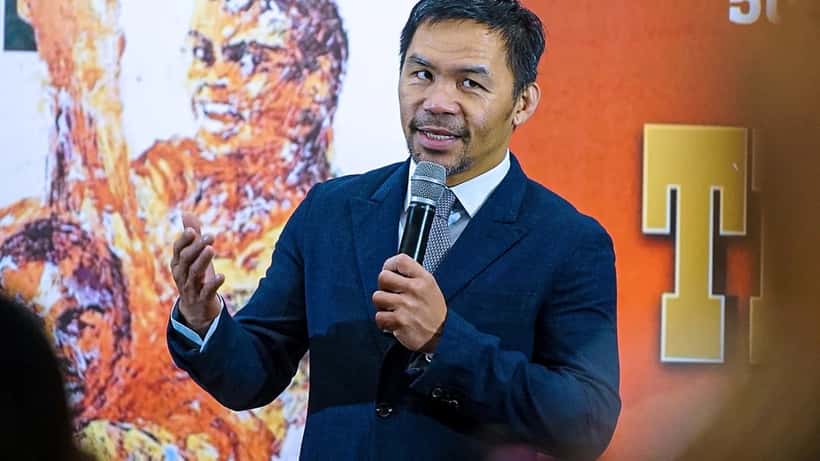
Manny Pacquiao, 47, is returning to the professional boxing ring on September 19, 2026, for a rematch against Floyd Mayweather Jr. at the Sphere in Las Vegas — eleven years after their first bout generated over $600 million in global revenue. His comeback raises a question that applies far beyond elite sports: what happens to an athlete's financial life when they delay retirement?
The Pacquiao Comeback: A Financial High-Wire Act
Pacquiao came out of a four-year retirement in July 2025 with a majority draw against Mario Barrios. Now he has signed to face Mayweather again in what will be a professional contest — not an exhibition — with the fight streamed globally on Netflix. The rematch at the Sphere, a $2.3 billion venue, marks one of the most financially loaded events in boxing history.
According to reporting from beIN SPORTS, both fighters have already taken advances from their purses, confirming the bout is real. Their 2015 fight drew 4.6 million pay-per-view buys and set a live gate record of $72 million. Estimates for the 2026 rematch could top those figures, given the Netflix global reach and the iconic Sphere venue.
For Pacquiao, who has also signed a nine-figure deal with the Team Boxing League for a San Diego franchise, the financial picture is complex. He is simultaneously earning as an athlete, investing as a sports entrepreneur, and managing the legal and contractual obligations of two major professional commitments. This is exactly the kind of situation where a wealth management expert becomes essential.
When Athletes Delay Retirement: The Financial Risks Most Ignore
Pacquiao's decision to return to professional competition at 47 is inspiring, but it also illustrates a pattern that financial advisors flag repeatedly: athletes who delay or reverse retirement often do so without adjusting their financial planning assumptions.
According to the U.S. Consumer Financial Protection Bureau, athletes who earn peak incomes in their 20s and 30s are statistically at high risk for financial distress if they do not establish structured post-career income plans. The Bureau's research on athlete financial wellness shows that up to 60% of former NFL players face serious financial struggles within two years of retirement — a figure that underscores how poorly prepared most athletes are for the transition.
The risks multiply when a comeback is involved:
Tax obligations shift. Professional fight purses are taxable as ordinary income. A fight at the Sphere earning tens of millions dollars triggers federal income tax at the highest marginal rate, plus state and local obligations. Without proper pre-fight tax structuring, an athlete can lose a substantial portion of their earnings to avoidable liabilities.
Existing retirement vehicles may be disrupted. Athletes who had begun drawing from retirement accounts or pension benefits may face penalties or clawback provisions if they return to professional income above certain thresholds.
Contractual complexity multiplies. Pacquiao now holds active obligations to the Team Boxing League, his management team, his September opponent, and Netflix. Each contract involves performance incentives, liability clauses, and post-career restrictions. A wealth manager working alongside a sports attorney helps ensure these contracts do not work against each other financially.
What a Financial Comeback Plan Should Include
Whether you are a professional athlete, a freelancer returning to work after a sabbatical, or a professional re-entering the workforce after a career pause, the financial architecture of a comeback requires proactive planning — not reactive management.
Income stream mapping. A wealth management expert will first map all anticipated income sources across the next 12 to 24 months — fight purse, league deals, endorsements, appearance fees — and project after-tax cash flow under different scenarios.
Liability audit. Returning to active professional status can reactivate dormant obligations: agent commissions, training facility contracts, medical insurance gaps during competition. A financial advisor identifies these before they become costly surprises.
Retirement timeline adjustment. A comeback signals that the original retirement timeline was wrong. A wealth advisor recalibrates the investment strategy — adjusting risk profile, contribution rates, and withdrawal assumptions to reflect the new income horizon.
Insurance review. Professional athletes in combat sports face unique health and disability insurance challenges. Life and disability coverage that was appropriate during retirement may be inadequate or invalid once professional competition resumes. This review is non-negotiable.
The Broader Lesson: Comeback Planning Is Financial Planning
Pacquiao's September fight at the Sphere will attract global attention. But the real lesson from his story is not about boxing — it is about the financial decisions that happen behind the scenes.
At 47, with multiple business ventures running simultaneously and a professional fight contract worth hundreds of millions in potential value, Pacquiao needs a coordinated team: a certified financial planner, a sports attorney, a tax specialist, and likely a family office structure to manage the complexity. Most working professionals in career transitions — not just athletes — face a smaller version of the same challenge.
Whether you are navigating a career pivot at 45, returning to work after parental leave, or re-entering a field after a health pause, the financial implications are real. A qualified wealth manager at ExpertZoom can help you structure your comeback so that the income you earn actually builds long-term security — not just short-term excitement.
According to the U.S. Consumer Financial Protection Bureau, having a structured financial plan before a major income event is one of the highest-leverage decisions any professional can make.
The September 19 fight at the Sphere will be historic. But Pacquiao's smartest moves will happen long before he enters the ring.
Disclaimer: This article is for informational purposes only and does not constitute financial advice. Consult a qualified wealth management professional for guidance specific to your situation.
